
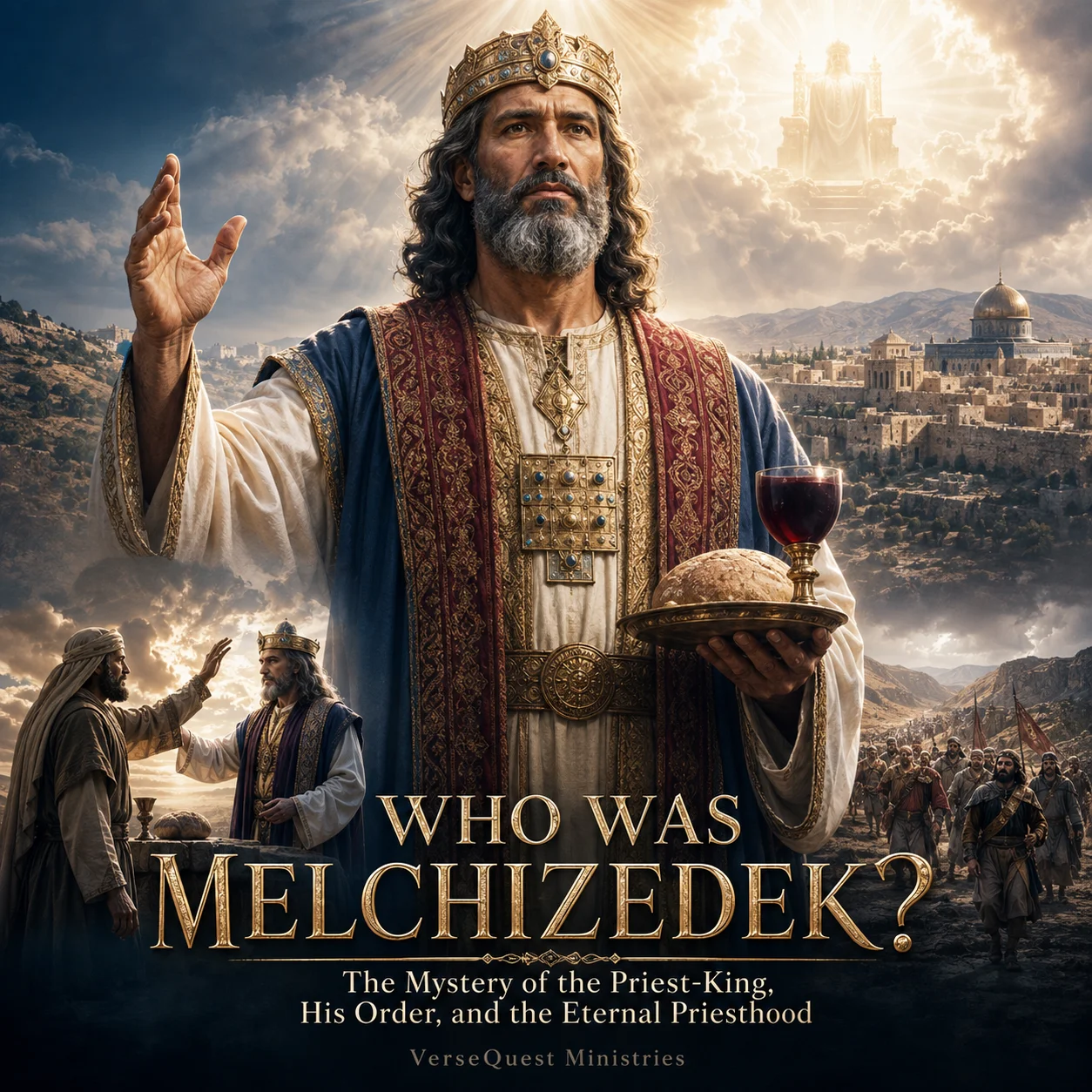
Who Was Melchizedek? – The Mystery of the Priest-King, His Order, and the Eternal Priesthood
An exhaustive 812-page KJV Bible study PDF with 100 detailed essays examining Melchizedek, the mysterious king-priest of Genesis 14, his order, his identity, and his relationship to the eternal Priesthood of Jesus Christ.
This study explores Genesis 14, Psalm 110, Hebrews 5–7, Abraham’s tithes, Melchizedek vs Levi, “without father, without mother,” the major identity theories, Qumran, Church Fathers, Catholicism, Mormonism, Adventism, occult interpretations, and more—while carefully distinguishing biblical fact from inference and speculation.
Includes an extremely detailed KJV Melchizedek Bible Study Chart.
812 Pages | 100 Essays | Digital PDF | KJV Only | $19.99
$19.99
Description
Who Was Melchizedek? – The Mystery of the Priest-King, His Order, and the Eternal Priesthood is an exhaustive 812-page KJV Bible study PDF containing 100 detailed essays devoted to one of the most mysterious men in all of Scripture. Melchizedek appears for only three verses in Genesis 14, disappears from the historical narrative, reappears in the prophetic oath of Psalm 110, and then becomes central to one of the deepest priesthood arguments in the book of Hebrews. Who was this king of Salem? Why did Abraham give him tithes? Why could Melchizedek bless the patriarch? What does Hebrews mean when it says he was “without father, without mother, without descent,” having “neither beginning of days, nor end of life”? Was he Shem, Enoch, Adam, an angel, the Holy Ghost, a Christophany, a specially created man, or an ordinary historical king-priest whose genealogy was deliberately withheld? This study examines those questions without forcing Scripture to say what it does not say.
The book begins with Genesis 14:18–20, carefully examining Melchizedek’s historical appearance, Salem, El Elyon, Abraham’s victory, the king of Sodom, the blessing, bread and wine, and Abraham’s tenth. From there it traces priesthood before Levi through Adam, Abel, Noah, the patriarchs, Job, and Jethro before moving into Psalm 110, where God swears that David’s Lord will be “a priest for ever after the order of Melchizedek.” The study then enters Hebrews 5–7, examining Melchizedek’s greatness, his superiority to Levi in the inspired argument, the absence of genealogy, the meaning of “made like unto the Son of God,” the distinction between Melchizedek the man and the order bearing his name, and Christ’s Priesthood founded upon “the power of an endless life.”
A major portion of this study tests the leading historical and theological identity theories. The Shem theory is weighed against Shem’s recorded genealogy and lifespan. Enoch is examined in light of his translation and explicit biblical ancestry. Adam is considered as the Bible’s unquestioned example of a genuine man without human parents. Christophany arguments are taken seriously while being tested against Hebrews’ language of likeness, similitude, and “another priest.” Angelic, Michael, Holy Ghost, special-creation, supernatural-preservation, and ordinary-historical-man interpretations are likewise examined without pretending that possibility is the same thing as revelation. The guiding method throughout the book is simple: what Scripture explicitly states, what Scripture strongly supports, and what remains possible but unrevealed must never be confused.
The study also investigates how Melchizedek was interpreted across religious history. It examines Qumran and 11QMelchizedek, Second Enoch, Philo, Josephus, later rabbinic identification with Shem, Samaritan and Gerizim traditions, Nag Hammadi, early Melchizedekian heresies, Hieracas and the Holy Ghost theory, Church Fathers, Eucharistic interpretation, Roman Catholic sacrificial theology, LDS Melchizedek Priesthood claims, Adventist Enoch theories, modern charismatic marketplace teachings, occult and New Thought interpretations, and modern pseudo-scriptural “Books of Melchizedek.” These traditions are not treated as inspired authorities but as evidence of how rapidly biblical mystery becomes theological speculation once interpreters begin filling gaps that Scripture intentionally leaves open.
The final essays bring the study where Hebrews itself brings it: Jesus Christ. Judah supplies His royal genealogy. Psalm 110 supplies the divine oath. Melchizedek supplies the priestly pattern. Resurrection supplies the demonstration of endless life. Christ offered Himself once, rose from the dead, possesses an unchangeable priesthood, and “ever liveth to make intercession.” The mysterious king of Salem bears the titles King of righteousness and King of peace; Christ fulfills those realities completely, becoming our righteousness and making peace through the blood of His cross. The study concludes that Melchizedek’s hidden biography may remain partly unrevealed, but his biblical purpose is unmistakable: the man, his titles, his priesthood, and his order were divinely arranged to point beyond themselves to the everlasting Priesthood of Jesus Christ.
This book also includes a comprehensive Who Was Melchizedek? KJV Bible Study Chart, designed to summarize the major passages, identity theories, doctrinal contrasts, mystery phrases of Hebrews 7, Melchizedek versus Levi, Christ’s fulfillment, warnings against false interpretations, and the central conclusion of the entire study: The Shadow Points to the Son.
This is not a short devotional treatment or a recycled survey of familiar opinions. At 812 pages and 100 essays, it is designed as a serious reference work for pastors, Bible teachers, students, researchers, prophecy students, apologists, and believers who want to examine virtually every major biblical and historical question surrounding Melchizedek while keeping the King James Bible as the final authority.
Melchizedek, King of Salem, King of Righteousness, King of Peace, Priest of the Most High God, Abraham and Melchizedek, Abraham’s Tithes, Pre-Levitical Priesthood, Order of Melchizedek, Psalm 110, Hebrews 7, Melchizedek and Jesus Christ, Melchizedek vs Levi, Levitical Priesthood, Aaronic Priesthood, Judah and Levi, Priest-King, Royal Priesthood, Jesus Christ as High Priest, Eternal Priesthood, Unchangeable Priesthood, Power of an Endless Life, Without Father Without Mother, Without Descent, No Beginning of Days, No End of Life, Made Like Unto the Son of God, Melchizedek Identity Theories, Shem Theory, Enoch Theory, Christophany Theory, Angelic Theory, Biblical Typology, King James Bible, Rightly Divided Bible Study, Resurrection of Jesus Christ, Christ’s Present Intercession, Once-for-All Sacrifice, Eternal Security, Righteousness and Peace, Future Kingdom, Priest Upon His Throne, Biblical Mystery, Scripture vs Tradition
Who Was Melchizedek? – The Mystery of the Priest-King, His Order, and the Eternal Priesthood is an exhaustive 812-page KJV Bible study containing 100 detailed essays examining nearly every major biblical, historical, theological, and interpretive question surrounding Melchizedek. The study begins with Genesis 14 and follows the mysterious king-priest through Psalm 110 and Hebrews 5–7, carefully examining his kingship, priesthood, blessing of Abraham, reception of tithes, relationship to Levi, and the extraordinary description that he was “without father, without mother, without descent,” having “neither beginning of days, nor end of life.” The book distinguishes between what Scripture explicitly states, what Scripture strongly supports, and what remains possible but unrevealed.
Major identity theories are tested against the King James Bible, including Shem, Enoch, Adam, Christophany, angelic or supernatural being, Holy Ghost, special creation, supernatural preservation, and the ordinary historical-man interpretation. The book also examines Qumran, Second Enoch, Philo, Josephus, rabbinic tradition, Church Fathers, Nag Hammadi, Roman Catholic Eucharistic claims, Mormon Melchizedek Priesthood teachings, Adventist Enoch theories, charismatic marketplace interpretations, occult teachings, and modern pseudo-scriptural works. The goal is not to eliminate the mystery artificially, but to prevent speculation, tradition, or additional revelation from overriding the biblical text.
The central doctrinal conclusion is that Melchizedek’s greatest importance lies in the order that bears his name and its fulfillment in Jesus Christ. Judah supplies Christ’s royal line, Psalm 110 supplies the divine oath, Melchizedek supplies the priestly pattern, and Christ’s resurrection demonstrates “the power of an endless life.” Jesus possesses an unchangeable Priesthood, offered Himself once, ever lives to make intercession, and is able to save to the uttermost. The study ultimately shows that Melchizedek’s mystery is not designed to magnify the mystery itself, but to direct the reader toward the eternal Priest-King, Jesus Christ.
Use this study to teach Genesis 14 and Abraham’s encounter with Melchizedek; explain why Abraham’s tithe and Melchizedek’s blessing establish his greatness in Hebrews 7; compare the Melchizedek and Levitical priesthoods; explain the meaning of “without father, without mother, without descent”; examine the major theories concerning Melchizedek’s identity; distinguish explicit Scripture from strong inference and unrevealed possibility; demonstrate why Jesus Christ does not require Aaronic descent to be High Priest; connect Judah’s royal line with Christ’s Priesthood after the order of Melchizedek; teach Psalm 110 and Zechariah 6 as prophetic Priest-King passages; explain “the power of an endless life”; demonstrate the significance of Christ’s resurrection to His unchangeable Priesthood; teach Christ’s present intercession and the believer’s access to God; defend the once-for-all sacrifice of Jesus Christ; address false teachings involving Mormon Melchizedek Priesthood claims, Roman Catholic Eucharistic interpretations, occult Melchizedek teachings, marketplace apostles, and other speculative systems; teach the biblical relationship between righteousness and peace; and show how the entire Melchizedek mystery ultimately points to the eternal Priesthood and kingship of Jesus Christ.
Hebrews Without Confusion – Rightly Dividing the Priesthood, Covenants, Warnings, and World to Come — A detailed companion study for understanding Hebrews, Christ’s High Priesthood, the covenants, the warning passages, and the doctrinal argument surrounding Melchizedek.
Before Adam Stood a Priest-King – The Fallen Cherub, the Lost Dominion, Melchizedek’s Order, and the Final Reign of Jesus Christ — A companion study examining the larger biblical theme of royal-priestly government, pre-Mosaic priesthood, Melchizedek’s order, and its fulfillment in Jesus Christ.
Law vs Grace — Helpful for understanding the change of priesthood, the temporary function of the Mosaic system, and why the believer is not placed back under the Levitical order.
Revelation Rightly Divided — Recommended for further study of Christ as King of kings, the future kingdom, redeemed kings and priests, and the prophetic fulfillment of Christ’s royal authority.
For the right-side taxonomy boxes, I would also set them this way:
Related products
-
Heaven
-
- The Doctrine of Heaven Made Plain — 599-Page KJV Bible Study PDF
- A massive 599-page KJV, rightly divided study on heaven, covering the present heaven, resurrection body, Rapture, Millennium, New Jerusalem, eternal state, hard questions, funeral lies, and cult errors.
- $34.99
- Add to cart
-
-
Prophecy Studies
-
- The Resurrection of Jesus Christ Made Plain – 501-Page KJV Bible Study
- A massive 501-page VerseQuest Ministries PDF Bible study defending and explaining the bodily resurrection of Jesus Christ from a KJV, rightly divided perspective. This 80-essay study covers the empty tomb,…
- $34.99
- Add to cart
-
-
Doctrine Series
-
- The Lost Tribes Myth Exposed (213-Page Premium Study)
- A 213-page premium KJV study exposing the Lost Tribes myth, tribal identity errors, prophecy abuse, race theories, and false Israel claims through 35 detailed essays.
- $24.99
- Add to cart
-
-
KJV Studies
-
-67%
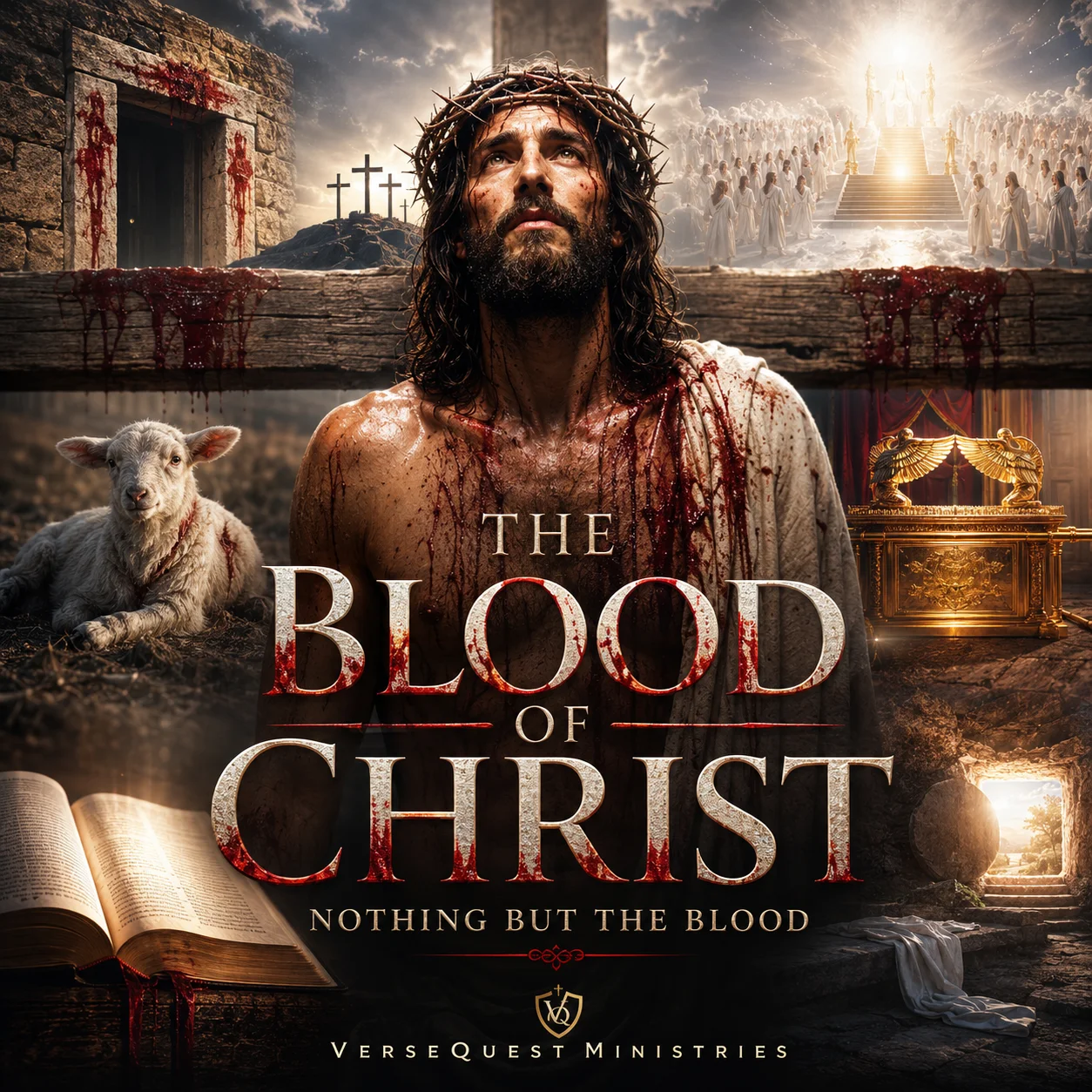
- The Blood of Christ – 66-Study KJV Bible Doctrine PDF
- A 441-page premium VerseQuest PDF featuring 66 detailed KJV Bible studies on the blood of Jesus Christ. This powerful doctrinal resource covers redemption, justification, propitiation, cleansing, access to God, eternal…
- Original price was: $29.99.$9.99Current price is: $9.99.
- Add to cart
-
-67%
-
Christology Studies
-
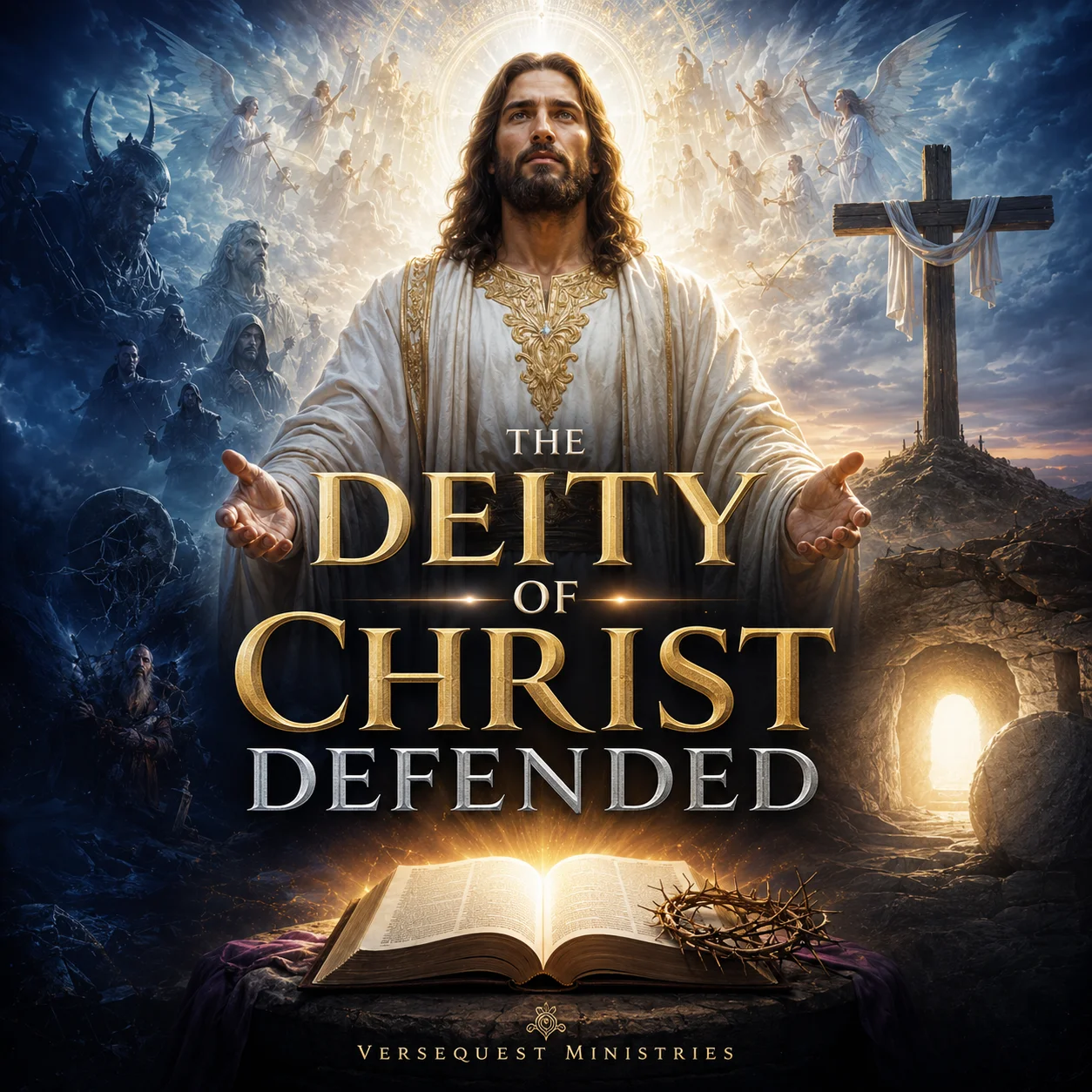
- The Deity of Christ Defended — 66 KJV Studies Proving Jesus Christ Is God Manifest in the Flesh
- he Deity of Christ Defended is a 444-page premium KJV Bible study defending the full deity of the Lord Jesus Christ. This 66-study book proves from Scripture that Jesus is…
- $29.99
- Add to cart
-