
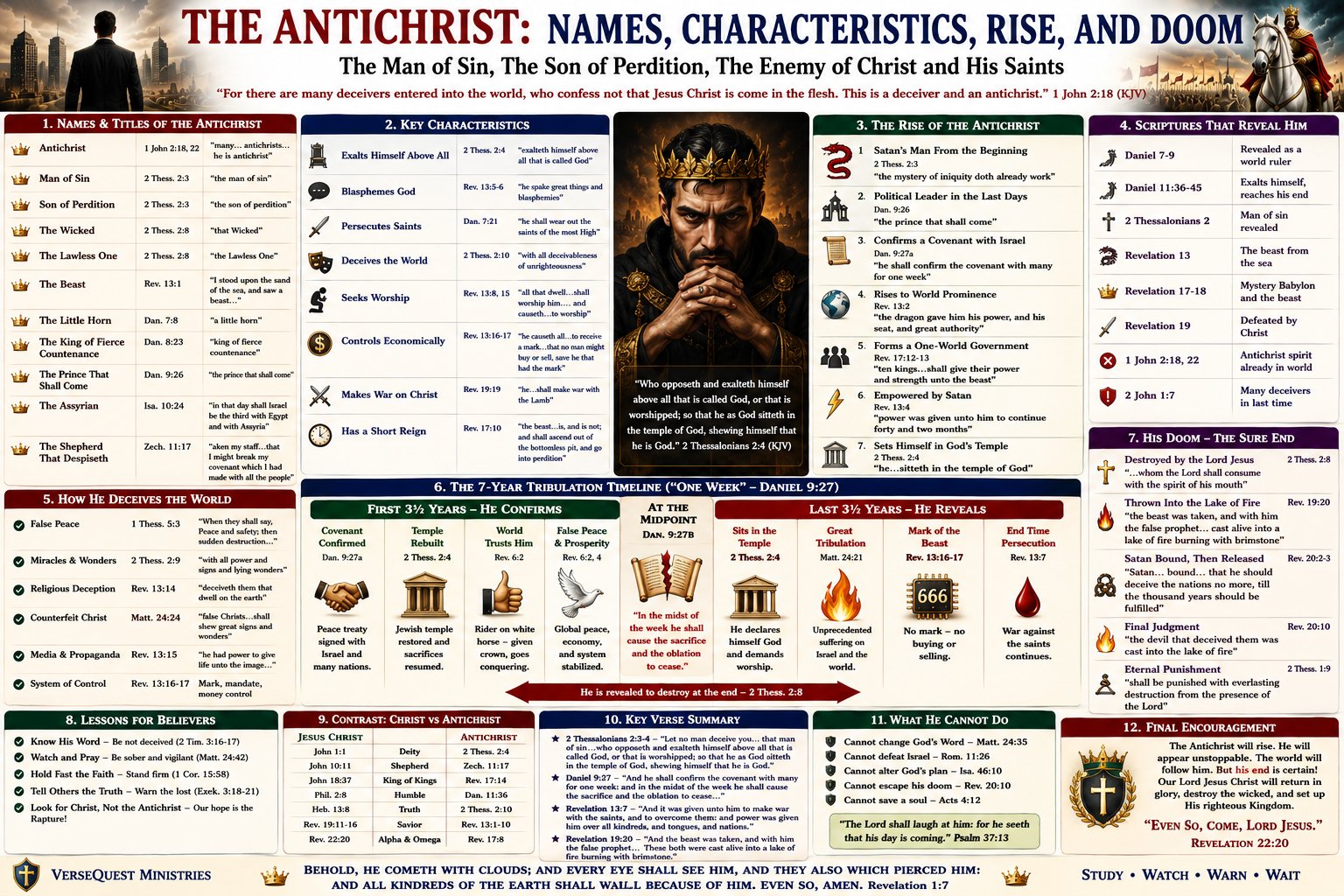

The Wicked Man: Rebellion, Deceit, Violence, and the Man of Sin in Proverbs
The Wicked Man: Rebellion, Deceit, Violence, and the Man of Sin in Proverbs is a 296-page downloadable PDF book containing a comprehensive 50-essay study of one of Proverbs’ most important and often overlooked character portraits: the evil, wicked, froward, violent, deceitful, rebellious, and oppressive man.
Beginning with Proverbs’ practical warnings about recognizing dangerous character, the study examines crooked speech, darkness, deceit, hidden hatred, manipulation, flattery, violence, discord, oppression, wicked leadership, corrupt influence, and the multiplication of transgression. The final essays then follow the biblical pattern toward the coming Man of Sin and bring the study together with the prophetic Harlot System of Revelation.
The book includes the complete 50-essay series, introduction, conclusion, and a detailed illustrated Bible-study chart. It is designed for serious KJV Bible study, sermon and lesson preparation, discipleship, teaching, and readers who want to understand both the practical warnings of Proverbs and their larger prophetic significance.
$24.99
Description
The Wicked Man: Rebellion, Deceit, Violence, and the Man of Sin in Proverbs is a 296-page downloadable PDF Bible study examining one of the most extensive character warnings running through the book of Proverbs. Across 50 detailed essays, this study follows the Bible’s descriptions of the evil man, wicked man, naughty person, froward man, violent man, ungodly man, scorner, whisperer, oppressor, wicked ruler, and other related portraits. Proverbs does not merely warn the reader against making bad decisions; it teaches him how to recognize bad men before their character begins shaping his own.
The study begins with Proverbs 2, where wisdom promises to deliver the young person “from the way of the evil man” (Proverbs 2:12). From there, the book carefully traces the characteristics Scripture attaches to wicked men. The wicked man speaks froward things, abandons upright paths, walks in darkness, rejoices in evil, delights in other wicked men, devises mischief, sows discord, digs up evil, uses his lips like fire, separates chief friends, recruits others into destructive paths, rewards evil for good, studies destruction, hides hatred beneath fair speech, lies, flatters, oppresses the weak, rejects judgment, listens to falsehood, and spreads corruption when given influence.
Special attention is given to the anatomy of deception. Proverbs shows that wickedness does not always announce itself with obvious criminal behavior. A corrupt man can speak pleasantly, dress respectably, hold authority, possess education, accumulate wealth, use religious vocabulary, and enjoy considerable social prestige while concealing a crooked heart. The study examines the “potsherd covered with silver dross” of Proverbs 26:23, the man who hates while speaking fair, the seven abominations hidden within, the lying tongue that hates those it afflicts, and the flattering mouth that “worketh ruin.” The reader is repeatedly taught to test character by biblical fruit rather than presentation.
The book also follows wickedness from the individual man into positions of influence and authority. Proverbs compares a wicked ruler over poor people to “a roaring lion, and a ranging bear” (Proverbs 28:15), warns that a prince lacking understanding becomes a great oppressor, and declares, “If a ruler hearken to lies, all his servants are wicked” (Proverbs 29:12). These passages reveal how personal corruption becomes institutional corruption. A wicked man may injure those immediately around him, but when wickedness acquires authority, money, influence, or organizational power, the damage can multiply throughout families, businesses, churches, communities, and entire societies.
The final portion deliberately carries the study into prophecy. The literal wicked men of Proverbs are not carelessly identified as the Antichrist; instead, their established moral characteristics are compared with the explicit biblical portrait of the future Man of Sin. Crooked speech, rebellion, deception, self-exaltation, flattering influence, calculated plotting, recruitment, violence, oppression, and opposition to God form a moral pattern that reaches a terrifying prophetic concentration in Daniel, 2 Thessalonians, and Revelation. The ordinary wicked man becomes a small-scale classroom for understanding how rebellion behaves before rebellion receives a throne.
The concluding study brings this book together with its natural companion subject, the strange woman. Proverbs 2 warns first about the evil man and then about the strange woman. Prophecy eventually presents the Man of Sin and Babylon the Great: rebellion enthroned alongside spiritual fornication institutionalized. One demands allegiance; the other seduces through illicit union. Both deceive. Both recruit. Both temporarily prosper. Both ultimately meet the judgment of God. This connection gives the book a prophetic dimension extending far beyond a simple character study.
The 296-page digital book contains 50 full studies, a substantial introduction and conclusion, and a detailed illustrated Bible-study chart designed to bring the major characteristics and prophetic connections together visually. It is suitable for personal Bible study, sermon and lesson preparation, discipleship, family instruction, Sunday school, ministry training, and topical study of Proverbs and biblical prophecy.
Format: Downloadable PDF digital book
Length: 296 pages
Price: $24.99
Studies: 50 essays, plus introduction, conclusion, and detailed Bible-study chart
The Biblical Anatomy of the Wicked Man — The recurring characteristics by which Proverbs identifies corrupt male character. Froward and Deceptive Speech — How wickedness first becomes audible through twisted words, lies, insinuation, slander, manipulation, and selective truth. Departure From Uprightness — The progression from knowing a straight path to deliberately abandoning it. Darkness and Secrecy — Why wickedness repeatedly seeks concealment and resists examination. Delighting in Evil — The progression from committing sin to approving, enjoying, and celebrating wickedness. Corrupt Fellowship — How wicked men reinforce one another’s rebellion and recruit others into destructive behavior. Calculated Mischief — Premeditation, plotting, manipulation, contingency planning, and deliberate harm. Discord and Division — The wicked man as a sower of strife within friendships, families, churches, businesses, and communities. Violence and Recruitment — The violent man’s tendency not merely to sin but to entice his neighbor into the same road. Hidden Hatred and Hypocrisy — Fair speech covering hostility and the biblical warning against mistaking polish for character. Flattery as Manipulation — How pride and vanity become handles through which wicked people control others. The Snare Within Sin — The self-defeating nature of lies, manipulation, adultery, theft, violence, and secret wickedness. Wickedness and Authority — What happens when corrupt character gains money, office, institutional influence, or coercive power. Oppression of the Vulnerable — The wicked ruler’s treatment of poor and powerless people. Corruption From Leadership — How rulers who reward lies eventually surround themselves with wicked servants. Multiplication of Wickedness — How corrupt men normalize, protect, organize, and reproduce transgression socially. Biblical Judgment — The wicked man’s failure to understand moral cause and effect and the certainty of divine accountability. The Evil Man and the Strange Woman — The paired warnings of Proverbs 2 and their different methods of corruption. The Man of Sin — The prophetic concentration of rebellion, deception, self-exaltation, blasphemy, and wicked rule. Babylon the Great — The prophetic harlot system as institutionalized spiritual fornication and religious corruption. The Judgment of Antichrist and Babylon — The temporary nature of wicked power and its final overthrow under Jesus Christ.
The central argument of The Wicked Man: Rebellion, Deceit, Violence, and the Man of Sin in Proverbs is that Proverbs does not merely warn the reader against making foolish decisions; it repeatedly warns against the influence, character, methods, and eventual destruction of wicked men. Proverbs 2:12 introduces “the evil man” alongside the warning concerning the strange woman, establishing two major forms of corrupting influence. Wisdom is intended to deliver a person from both. The strange woman can corrupt through seduction and unlawful desire, while the evil man can corrupt through friendship, speech, rebellion, manipulation, violence, false leadership, and wicked example. The practical lesson throughout the book is therefore to recognize character before giving someone influence over your thinking, loyalty, family, business, ministry, or future.
A major observation running through the study is that the wicked man repeatedly reveals himself through his speech. Proverbs 2:12 identifies “the man that speaketh froward things.” Proverbs 6:12 describes the wicked man walking “with a froward mouth.” Proverbs 16:27 says that “in his lips there is as a burning fire.” Proverbs 16:28 introduces the whisperer who separates chief friends, while Proverbs 26:28 declares that “A lying tongue hateth those that are afflicted by it; and a flattering mouth worketh ruin.” Crooked character eventually becomes audible. Lies, insinuation, manipulation, flattery, slander, secret communication, exaggeration, and calculated ambiguity are not incidental features of the biblical portrait. The mouth repeatedly becomes one of the wicked man’s principal weapons.
Proverbs also traces wickedness inward to the heart and imagination. Proverbs 6:14 says, “Frowardness is in his heart, he deviseth mischief continually.” Proverbs 24:2 says the heart of evil men “studieth destruction.” This distinguishes isolated failure from settled wickedness. A righteous man can sin and hate what he has done; the wicked man increasingly plans, studies, excuses, enjoys, and reproduces evil. Proverbs 2:14 describes men who “rejoice to do evil, and delight in the frowardness of the wicked.” The progression is sobering: sin moves from temptation to participation, from participation to habit, from habit to celebration, and from celebration to recruitment. Once conscience no longer protests, the sinner often wants company.
Another major theme is the social nature of wickedness. The wicked man does not merely destroy himself. He sows discord, separates friends, entices neighbors, rewards evil for good, digs up buried trouble, spreads strife, recruits others into destructive ways, and can eventually corrupt entire institutions. Proverbs 29 enlarges the warning from individual character to public influence. “Scornful men bring a city into a snare” (Proverbs 29:8). “If a ruler hearken to lies, all his servants are wicked” (Proverbs 29:12). “When the wicked are multiplied, transgression increaseth” (Proverbs 29:16). Wickedness therefore has a multiplication effect. What begins in one heart can enter a friendship, family, business, church, community, or system.
The study gives particular attention to wickedness joined with authority. Proverbs 28:15 compares “a wicked ruler over the poor people” to “a roaring lion, and a ranging bear.” Proverbs 28:16 adds, “The prince that wanteth understanding is also a great oppressor.” Power does not automatically produce wisdom. It magnifies what is already in the man. Pride with authority becomes domination. Covetousness with authority becomes exploitation. Deceit with authority becomes institutional dishonesty. Cruelty with authority can make misery administrative. This makes character essential wherever leadership is entrusted. Intelligence, charisma, wealth, strength, and organizational ability cannot substitute for righteousness.
Yet Proverbs repeatedly shows that wickedness contains the seeds of its own destruction. “Whoso diggeth a pit shall fall therein” (Proverbs 26:27). “In the transgression of an evil man there is a snare” (Proverbs 29:6). “The wicked flee when no man pursueth” (Proverbs 28:1). Lies require additional lies. Manipulation destroys trust. Violence creates enemies. Slander invites scrutiny. Adultery creates secrecy and evidence. Theft produces fear of discovery. The sinner imagines that transgression enlarges his freedom while Scripture shows it tightening cords around his own feet. Wickedness can prosper temporarily without becoming safe permanently.
The final movement of the book carefully develops the prophetic pattern leading toward the Man of Sin. The literal wicked men of Proverbs should not simply be identified as Antichrist, nor should every corrupt ruler be labeled the Man of Sin. The practical meaning comes first. Nevertheless, the characteristics established throughout Proverbs provide a striking moral silhouette when compared with Daniel, 2 Thessalonians 2, and Revelation 13. Crooked speech becomes blasphemous speech. Rebellion becomes self-exaltation against God. Deception expands into “all deceivableness of unrighteousness.” Manipulation becomes worldwide influence. Wicked rule reaches its prophetic climax in the coming Man of Sin.
The concluding study brings this prophetic pattern together with the companion warning concerning the strange woman. Proverbs 2 places the evil man and strange woman close together; later prophecy presents the Man of Sin and Babylon the Great. The comparison is thematic and prophetic rather than an erasure of the literal Proverbs passages. The Man of Sin represents rebellion enthroned, while Babylon the Great represents corrupt spiritual fornication and religious seduction institutionalized. Revelation shows deception, unlawful allegiance, wealth, religious corruption, political relationships, persecution, and temporary prosperity before divine judgment falls.
One of the most important distinctions throughout the study is between temporary prosperity and final judgment. Wickedness may appear successful for a season. The wicked man may possess money, influence, followers, authority, reputation, or institutional protection. None of those things overturns God’s verdict. Proverbs repeatedly looks beyond present appearance to the end of the road. The Man of Sin likewise receives extraordinary authority for a limited prophetic period, but Second Thessalonians 2:8 declares that the Lord will “consume with the spirit of his mouth, and shall destroy with the brightness of his coming.” Revelation 19 likewise ends the beast’s apparent supremacy at the Second Advent of Jesus Christ.
The practical question raised by the entire study is therefore not merely, “Who is the Antichrist?” The more immediate question is, “Can you recognize wicked character now?” Can you recognize the froward mouth, hidden hatred, manipulative flattery, calculated mischief, rebellion against correction, delight in wickedness, abuse of authority, deliberate division, oppression of the weak, and recruitment of others into sin? Prophecy should sharpen present discernment rather than encourage sensational speculation. Learn the fingerprints of rebellion while they are still attached to ordinary people. The scale may change in future prophecy, but the moral character of rebellion remains recognizable.
This resource can serve as a substantial personal Bible-study guide through the wicked-man passages of Proverbs. Readers can work through the 50 studies individually, tracing repeated terms and characteristics while comparing them with the book’s extensive cross-references.
Pastors and preachers can use individual essays as foundations for sermons or sermon series on character, discernment, rebellion, deception, wicked leadership, flattery, violence, corruption, and prophecy. Because each study develops a distinct biblical characteristic, the material can be taught individually without losing the larger progression of the book.
Sunday school teachers and Bible-study leaders can use the book for an extended topical study of Proverbs, especially with older teenagers and adults learning to evaluate friendships, mentors, leaders, influences, and personal character biblically.
Parents can use selected portions for family discipleship, particularly when teaching young people that choosing friends, mentors, business associates, romantic partners, and heroes requires more than evaluating popularity or outward success.
The prophetic studies near the end provide material for teaching the Man of Sin, Antichrist, Babylon the Great, the Tribulation, and the Second Advent, while maintaining the distinction between the practical wicked man of Proverbs and the specific future prophetic figures and systems described later in Scripture.
The included chart provides a useful visual teaching aid for reviewing the major characteristics, relationships, prophetic patterns, and final biblical conclusions after completing the written studies.
The primary companion resource is the King James Bible, particularly Proverbs 1–6, 16–17, 24, 26, 28–29; Daniel 7–11; 2 Thessalonians 2; and Revelation 13, 17–19.
The Strange Woman is a natural companion VerseQuest study because Proverbs 2 deliberately places deliverance from the evil man beside deliverance from the strange woman. Together, the two studies examine the Bible’s major warnings concerning destructive male and female influence and their larger prophetic patterns.
Revelation Without Confusion can complement the final prophetic portion of this study by providing broader examination of Revelation and its prophetic subjects.
A reliable King James Bible concordance can help readers trace “wicked,” “evil man,” “froward,” “scorner,” “violent man,” “ungodly,” “deceit,” “flattery,” “rebellion,” and related terms throughout Scripture.
A traditional Bible dictionary and cross-reference Bible can assist with historical settings, biblical offices, places, rulers, and parallel passages while keeping the King James text central.
A Daniel and Revelation timeline can be useful when studying the prophetic transition from the ordinary wicked man to the future Man of Sin, particularly for maintaining the proper distinction between the Church Age, Tribulation, Rapture, Second Advent, Millennium, and final judgment.
Related products
-
Jesus Christ Studies
-
-67%
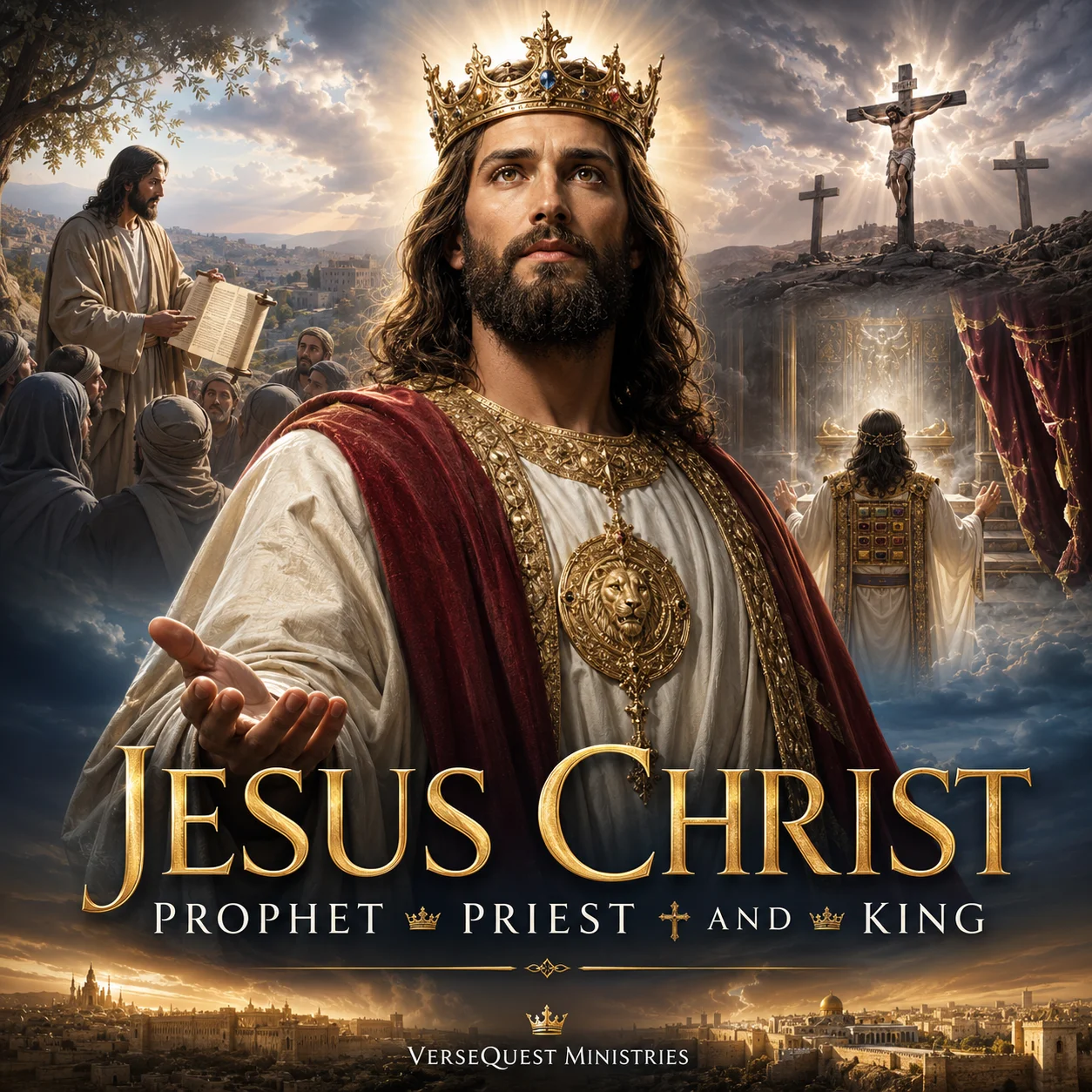
- Jesus Christ Prophet Priest and King – 441-Page PDF Study
- A 441-page premium KJV PDF study on Jesus Christ as Prophet, Priest, and King. This detailed VerseQuest book covers Christ’s prophetic ministry to Israel, His finished sacrifice and present intercession…
- Original price was: $29.99.$9.99Current price is: $9.99.
- Add to cart
-
-67%
-
Premium VerseQuest Books
-
-75%
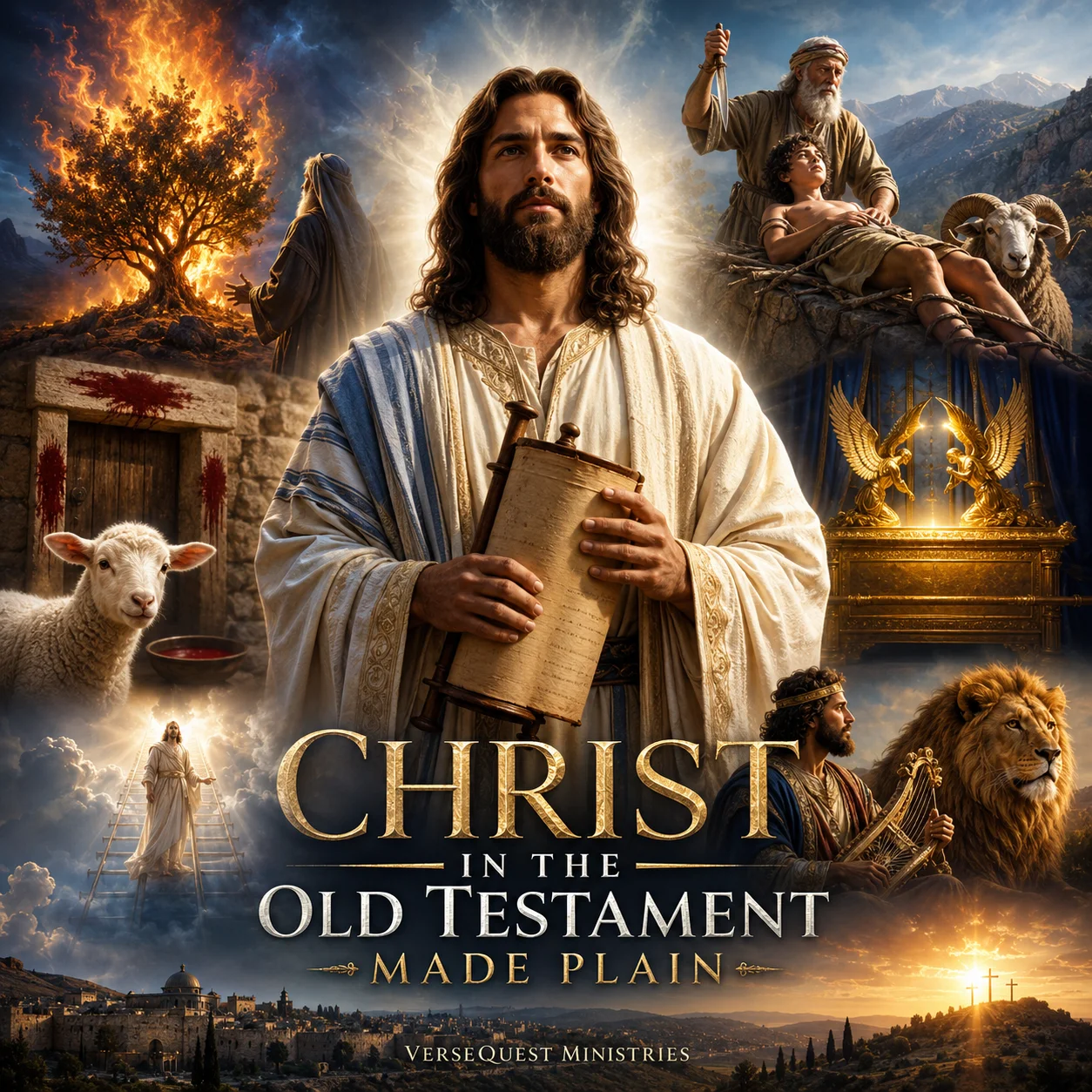
- Christ in the Old Testament Made Plain — 100-Essay KJV Study PDF
- A massive 670-page premium KJV Bible study PDF featuring 100 detailed essays showing Jesus Christ throughout the Old Testament in promise, type, sacrifice, Christophany, prophecy, suffering, resurrection, priesthood, and future…
- Original price was: $39.99.$9.99Current price is: $9.99.
- Add to cart
-
-75%
-
Christology Studies
-
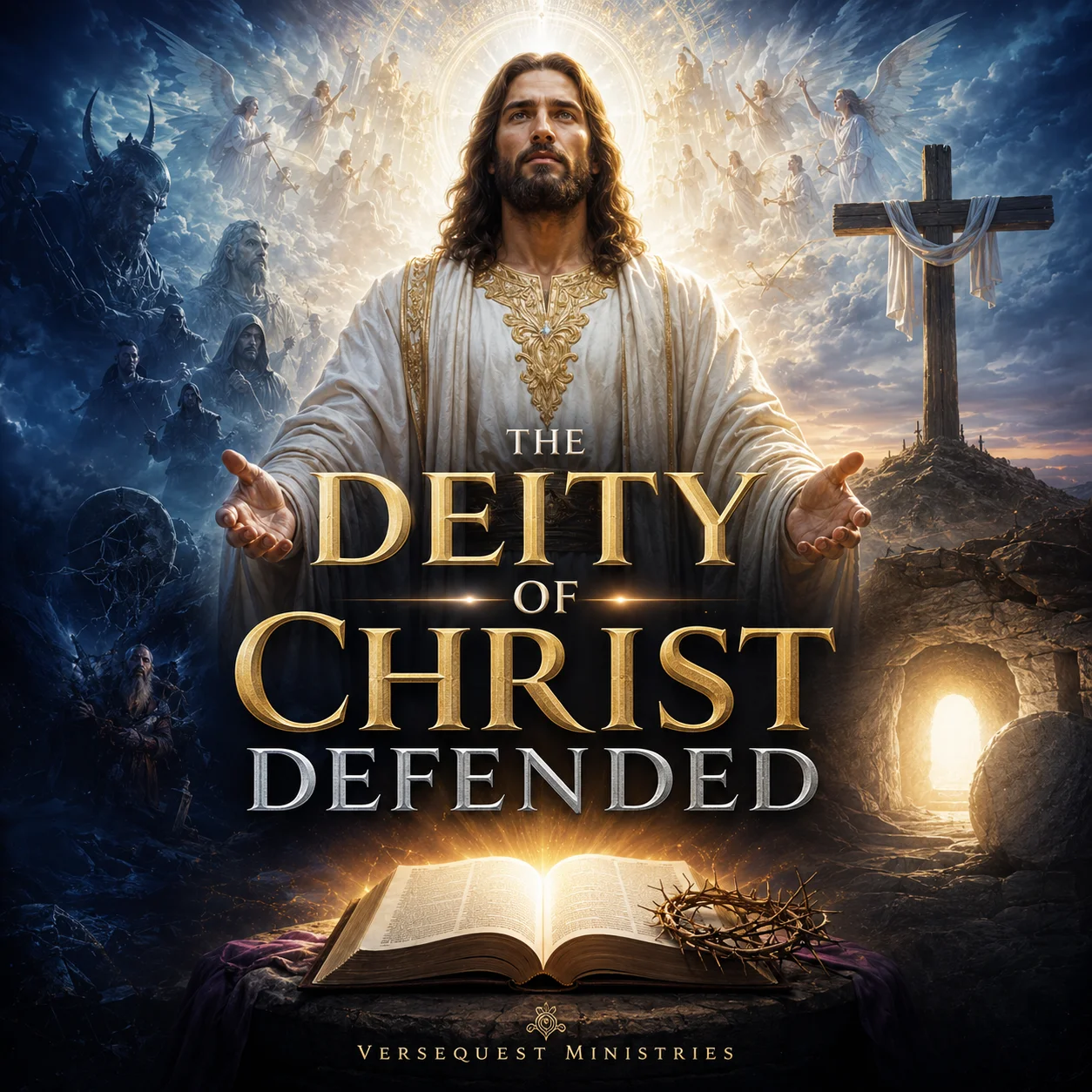
- The Deity of Christ Defended — 66 KJV Studies Proving Jesus Christ Is God Manifest in the Flesh
- he Deity of Christ Defended is a 444-page premium KJV Bible study defending the full deity of the Lord Jesus Christ. This 66-study book proves from Scripture that Jesus is…
- $29.99
- Add to cart
-
-
KJV Bible Study Resources
-
-60%
- Practical Christianity for Daily Battles – 329-Page KJV Study PDF
- A premium 329-page KJV study PDF with 40 full essays applying sound, rightly divided Bible doctrine to real daily Christian battles. Topics include temptation, anxiety, marriage, parenting, pornography, grief, church…
- Original price was: $24.99.$9.99Current price is: $9.99.
- Add to cart
-
-60%
-
Revelation
-
-71%
- Moses and Elijah: The Two Witnesses Made Plain
- Moses and Elijah: The Two Witnesses Made Plain is a 636-page premium VerseQuest PDF study proving from Scripture that the Two Witnesses of Revelation 11 are Moses and Elijah. This…
- Original price was: $34.99.$9.99Current price is: $9.99.
- Add to cart
-
-71%