
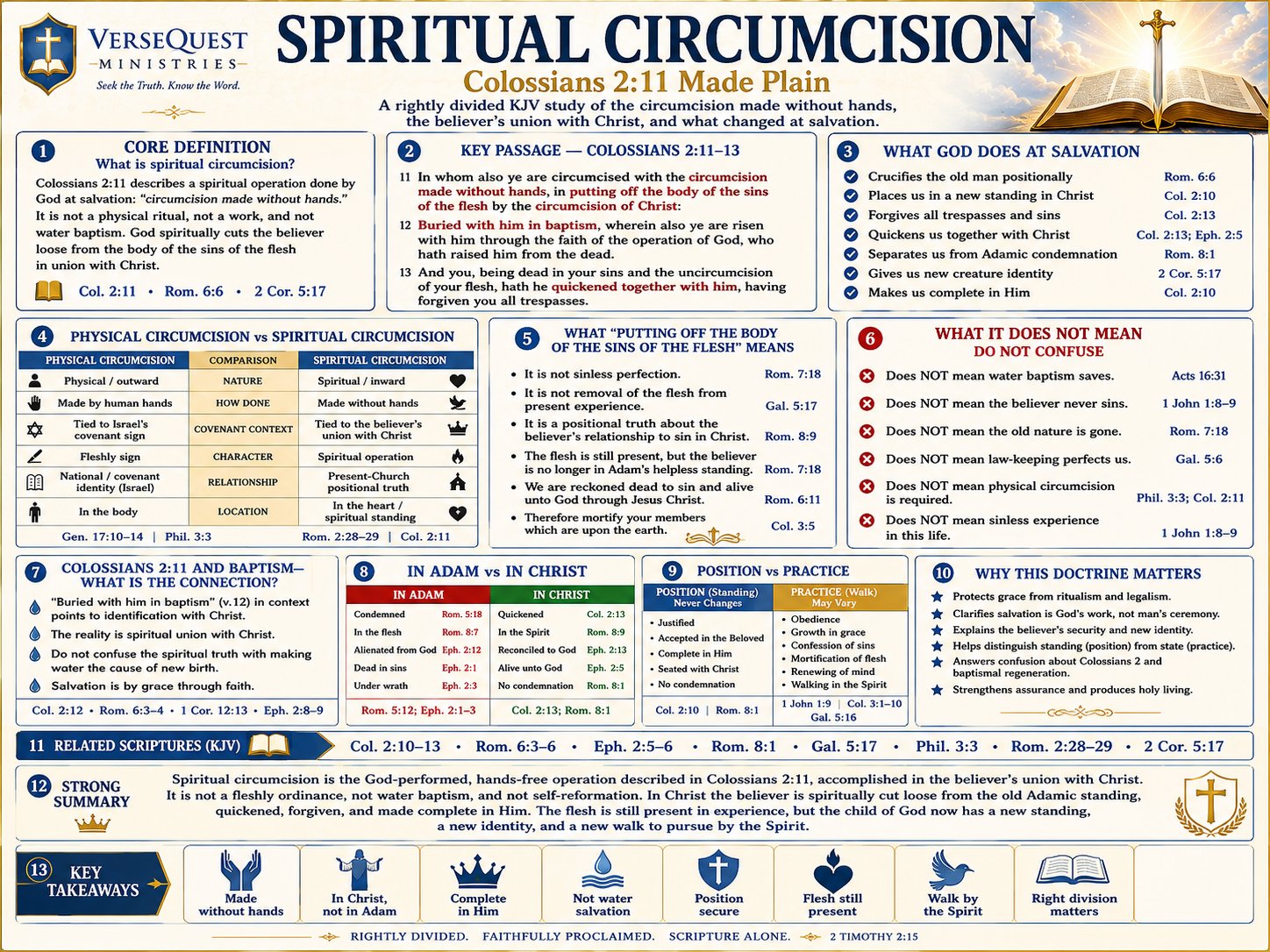
Spiritual Circumcision – Colossians 2:11 Made Plain: The Believer’s Union with Christ and New Standing at Salvation (KJV Bible Study Chart)
Understand the circumcision made without hands with this detailed KJV chart covering Colossians 2:11–13, physical versus spiritual circumcision, union with Christ, baptism, the old man, new standing, and walking in the Spirit.
$3.99
Description
Spiritual Circumcision: Colossians 2:11 Made Plain is a detailed KJV Bible study chart explaining the “circumcision made without hands,” the believer’s spiritual union with Jesus Christ, and the positional change God performs at salvation.
Built around Colossians 2:10–13, Romans 6:3–6, Romans 8:1, Galatians 5:17, Philippians 3:3, Romans 2:28–29, and 2 Corinthians 5:17, this chart distinguishes physical circumcision under Israel’s covenant from the spiritual operation God performs in everyone who trusts Jesus Christ.
Colossians 2:11 declares, “In whom also ye are circumcised with the circumcision made without hands, in putting off the body of the sins of the flesh by the circumcision of Christ.” The operation described here is not performed by a priest, minister, physician, church, denomination, or religious ceremony. It is accomplished by God.
Spiritual circumcision is therefore not a physical ritual. It is not water baptism, self-reformation, law-keeping, church membership, or an outward religious work. It is a divine, inward, hands-free operation connected with the believer’s union with Jesus Christ.
The chart begins with a core definition. At salvation, God spiritually separates the believer from his former condemned standing in Adam and places him into a new standing in Christ. The old man is judged with Christ, the believer is made alive, and a new identity is established through grace.
This spiritual operation does not mean the believer’s flesh has been physically removed or that the sinful nature has disappeared from present experience. The believer still carries the flesh and continues to face temptation, weakness, and the internal conflict described in Romans 7 and Galatians 5.
Spiritual circumcision concerns the believer’s position, not the eradication of his present fleshly experience. God no longer views the saved person merely as a condemned child of Adam. He sees him in Jesus Christ—justified, accepted, complete, alive, forgiven, and free from eternal condemnation.
The key passage, Colossians 2:11–13, connects several saving truths. The believer is circumcised with a circumcision made without hands. He is buried with Christ, risen with Christ through faith in God’s operation, quickened together with Christ, and forgiven all trespasses.
The passage emphasizes God’s action from beginning to end. God performs the operation. God raises the believer with Christ. God quickens the spiritually dead sinner. God forgives the trespasses.
Salvation is not the sinner performing a successful religious operation upon himself. It is God accomplishing what the sinner could never accomplish through human effort.
The phrase “made without hands” removes spiritual circumcision from the category of physical ceremony. Human hands performed Israel’s outward circumcision, but no human hand can place a sinner spiritually into Jesus Christ.
The phrase also protects the gospel from ritualism. Anything performed through human hands may serve as an outward sign, testimony, memorial, or act of obedience, but it cannot create the inward saving reality described in Colossians 2.
The chart lists several things God accomplishes at salvation. The old man is crucified with Christ positionally. Romans 6:6 states, “Knowing this, that our old man is crucified with him.”
This means that the believer’s former identity and condemned standing in Adam were judged at the cross. The believer is no longer required to serve sin as his unquestioned master.
God also places the believer into a new standing in Christ. Colossians 2:10 states, “And ye are complete in him.” The Christian’s acceptance is not waiting upon physical circumcision, law-keeping, baptism, sacramental participation, or personal perfection.
God forgives all trespasses. Colossians 2:13 does not present forgiveness as an unfinished process dependent upon repeated rituals. It connects forgiveness with the believer’s life in Christ and God’s completed saving work.
God quickens the believer together with Christ. To be quickened is to be made alive. The sinner who was spiritually dead receives new life through union with the risen Saviour.
God separates the believer from Adamic condemnation. Romans 8:1 declares that there is now no condemnation to those who are in Christ Jesus.
God gives the believer a new-creature identity. Second Corinthians 5:17 teaches that anyone in Christ is a new creature. The believer is not merely an improved version of his former self; he has received a new spiritual position and life.
God makes the believer complete in Christ. Nothing can be added to Jesus Christ that would make the believer more accepted before God.
The chart compares physical circumcision with spiritual circumcision. Physical circumcision was outward and bodily. Spiritual circumcision is inward and spiritual.
Physical circumcision was performed by human hands. Spiritual circumcision is made without hands by the operation of God.
Physical circumcision belonged to Israel’s covenant program. It marked Abraham’s physical seed and became part of Israel’s national identity beneath the covenant.
Spiritual circumcision belongs to the believer’s relationship with Jesus Christ and concerns his inward standing before God.
Physical circumcision was a sign in the flesh. Spiritual circumcision is a divine operation connected with the heart, identity, and union with Christ.
Physical circumcision distinguished Israel nationally from the surrounding peoples. Spiritual circumcision distinguishes the believer positionally as one who is in Christ rather than in Adam.
Physical circumcision occurred in the body. Spiritual circumcision concerns the believer’s heart and spiritual standing.
Genesis 17 records circumcision as the sign of God’s covenant with Abraham and his physical descendants. That covenant sign must not be removed from Israel’s historical and national setting and transformed into the means of Church-age salvation.
Paul repeatedly teaches that physical circumcision cannot justify a sinner. Galatians warns believers not to seek standing before God through circumcision or the works of the law.
Galatians 5:6 states that in Jesus Christ neither circumcision nor uncircumcision accomplishes saving merit. The outward condition of the flesh cannot create inward righteousness.
Philippians 3:3 describes believers as the circumcision who worship God in the Spirit, rejoice in Christ Jesus, and have no confidence in the flesh. The emphasis is spiritual worship and confidence in Christ rather than reliance upon ritual.
Romans 2:28–29 teaches that outward Jewish identity and physical circumcision alone never guaranteed inward righteousness. God has always examined the heart rather than being impressed by ceremony without faith and obedience.
These passages should not be used to erase Israel’s literal identity or transfer every covenant promise to the Church. They demonstrate that outward signs cannot substitute for inward reality.
The chart carefully explains the phrase “putting off the body of the sins of the flesh.” It does not mean that the believer has reached sinless perfection.
Romans 7 records Paul acknowledging that no good thing dwelt in his flesh. First John warns believers not to claim that they have no sin.
The phrase does not mean the flesh has been removed from present experience. Galatians 5 describes the flesh lusting against the Spirit and the Spirit against the flesh.
If the flesh had been entirely eradicated, Christians would not be commanded to walk in the Spirit, mortify sinful conduct, put off the old man, renew the mind, or confess sin.
The phrase expresses a positional truth concerning the believer’s relationship to sin in Christ. He is no longer merely in Adam’s helpless, condemned standing.
The believer is reckoned dead to sin and alive unto God through Jesus Christ. Romans 6:11 commands Christians to accept God’s verdict and live accordingly.
Sin remains present, but it no longer possesses the same legal dominion over the believer. The Christian is not obligated to obey the flesh simply because temptation speaks.
The believer should therefore yield his members as instruments of righteousness. Colossians 3 commands him to mortify sinful practices and put off the conduct of the old man.
Spiritual circumcision does not remove Christian responsibility. It supplies the positional foundation from which practical obedience becomes possible.
The chart includes a critical section on Colossians 2:11 and baptism. Verse 12 says believers are “buried with him in baptism.” The surrounding passage concerns spiritual union with Christ and the operation of God.
The saving reality is not water acting upon the body. The reality is the believer’s identification with Christ’s death, burial, and resurrection.
Water baptism may picture death, burial, and resurrection in an outward setting, but the picture must not be confused with the spiritual operation.
First Corinthians 12:13 states, “For by one Spirit are we all baptized into one body.” The Holy Spirit places the believer into Christ’s Body.
A minister may place a person into water, but only God can place a sinner spiritually into Jesus Christ.
Romans 6 describes believers as baptized into Jesus Christ and identified with His death. The doctrinal emphasis is the believer’s union with Christ, not water performing regeneration.
The chart therefore warns against making water the cause of the new birth. Salvation is by grace through faith in Jesus Christ, not by ritual performance.
Ephesians 2:8–9 excludes works from the saving foundation. Titus 3:5 excludes works of righteousness performed by man. Acts 16:31 directs the sinner to believe on the Lord Jesus Christ.
The ordinance is not the gospel, the sign is not the Saviour, and water is not the blood of Jesus Christ.
The chart presents an In Adam vs. In Christ comparison. In Adam, the sinner stands condemned. In Christ, the believer is quickened and alive.
In Adam, the sinner lives according to the flesh. In Christ, the believer possesses the indwelling Holy Spirit and a new source of power.
In Adam, the sinner is alienated from God. In Christ, he is reconciled and brought near.
In Adam, he is dead in sins. In Christ, he is made alive unto God.
In Adam, he remains under wrath. In Christ, he possesses no eternal condemnation.
The contrast reveals that salvation changes more than conduct. It changes the believer’s spiritual position, identity, relationship, and destiny.
The chart also distinguishes position from practice. Position describes the believer’s unchanging standing in Jesus Christ.
Position includes justification, acceptance in the Beloved, completeness in Christ, being seated with Christ, and freedom from condemnation.
Practice describes the believer’s daily Christian walk, which may rise or fall. It includes obedience, growth in grace, confession of sin, mortification of the flesh, renewal of the mind, and walking in the Spirit.
The believer’s position is settled by Christ’s work. His practice develops as he submits to Scripture and the Holy Spirit.
Daily failure cannot reverse God’s saving operation, but it can damage fellowship, joy, usefulness, testimony, and reward.
The believer does not need spiritual circumcision performed repeatedly. God’s operation at salvation is complete. The Christian does need continuing growth, confession, obedience, and renewal.
This distinction protects assurance without excusing sin. The believer is secure in Christ, but grace teaches him to live soberly, righteously, and godly.
The chart clearly states what spiritual circumcision does not mean. It does not mean water baptism saves.
Acts 16:31 gives the saving answer: “Believe on the Lord Jesus Christ, and thou shalt be saved.”
It does not mean the believer never sins. First John addresses Christians who require confession and cleansing.
It does not mean the old nature is gone. Romans 7 and Galatians 5 describe the continuing reality of the flesh.
It does not mean law-keeping perfects the believer. Galatians teaches that standing and growth do not come through returning to circumcision and the law.
It does not mean physical circumcision is required for salvation. Philippians 3 places confidence entirely in Jesus Christ rather than the flesh.
It does not mean sinless experience has been reached in this life. The believer awaits the redemption and glorification of his body.
A major section explains why this doctrine matters. It protects the gospel from ritualism and legalism.
If spiritual circumcision is God’s operation made without hands, no church ritual can become the saving cause.
The doctrine clarifies that salvation is God’s work rather than man’s ceremony. The sinner receives Christ by faith; God performs the inward operation.
It explains the believer’s security and new identity. The Christian has been transferred from condemned standing in Adam to complete standing in Christ.
It helps distinguish standing from state. The believer’s position is secure even while his practical walk requires growth and correction.
The doctrine answers confusion concerning Colossians 2 and baptismal regeneration. The passage emphasizes spiritual union with Christ and the operation of God, not saving power in physical water.
It strengthens assurance. The believer’s confidence rests upon what God accomplished, not whether a human ritual was administered perfectly.
It produces holy living. Because the believer has been spiritually separated from his old condemned identity, he should put off fleshly conduct and walk according to the new life.
The strong summary is clear: spiritual circumcision is the God-performed, hands-free operation described in Colossians 2:11 and accomplished through the believer’s union with Jesus Christ.
It is not physical circumcision, water baptism, law-keeping, church ceremony, or self-reformation.
In Christ, the believer has been spiritually separated from his old Adamic standing, quickened, forgiven, justified, and made complete.
The flesh remains present in daily experience, but the believer now possesses a new standing, a new identity, and the indwelling Holy Spirit.
His responsibility is to reckon the old man dead, refuse the flesh, renew his mind, mortify sinful conduct, and walk in the Spirit.
The key takeaways are memorable: spiritual circumcision is made without hands; the believer is in Christ rather than Adam; water does not save; the believer’s position is secure; the flesh remains present; and practical victory requires walking in the Spirit.
This resource is ideal for personal Bible study, Colossians instruction, spiritual-circumcision studies, baptism and regeneration discussions, standing-versus-state teaching, new-believer discipleship, grace-versus-law studies, Pauline doctrine, Christian identity, Sunday school, homeschool Bible curriculum, Christian schools, Bible institutes, sermon preparation, and pastoral training.
Spiritual circumcision, circumcision made without hands, Colossians 2:11, circumcision of Christ, union with Christ, putting off the body of the sins of the flesh, buried with Christ, risen with Christ, operation of God, physical versus spiritual circumcision, Israel’s covenant sign, believer in Christ, in Adam versus in Christ, water baptism does not save, Spirit baptism, new creature identity, complete in Christ, position versus practice, standing versus state, walking in the Spirit
Spiritual circumcision is the inward operation God performs when He places the believer into Jesus Christ.
Colossians 2:11 calls it a circumcision “made without hands.” This excludes human ceremony as its cause.
Physical circumcision was performed in the flesh by human hands. Spiritual circumcision is performed by God.
Physical circumcision functioned as a covenant sign connected with Abraham’s physical seed and Israel’s national program.
Spiritual circumcision concerns the believer’s inward and positional relationship with Christ.
The doctrine must not be used to erase Israel’s literal identity or transfer every Abrahamic promise to the Church.
Outward circumcision never guaranteed inward faith or righteousness.
Romans 2 teaches that ceremony without inward reality cannot satisfy God.
Philippians 3 teaches believers to worship God in the Spirit, rejoice in Christ, and place no confidence in the flesh.
Galatians rejects physical circumcision as a requirement for justification or spiritual completion.
The phrase “putting off the body of the sins of the flesh” does not teach that the believer’s flesh has been eradicated.
Romans 7 shows that the flesh remains present within the saved believer’s earthly experience.
Galatians 5 teaches that the flesh and Spirit remain contrary to one another.
First John warns believers against claiming sinless perfection.
Spiritual circumcision concerns positional separation from the believer’s former condemned standing in Adam.
The old man was crucified with Christ positionally.
The believer should reckon himself dead to sin and alive unto God.
Sin remains present, but its former unquestioned dominion has been broken.
The believer is no longer helplessly identified only with Adam’s condemnation.
He has been placed into Christ, quickened, forgiven, accepted, and made complete.
Colossians 2 connects circumcision, burial, resurrection, quickening, and forgiveness with God’s operation.
The saving power belongs to God rather than the sinner or religious administrator.
The baptism of Colossians 2 should be interpreted within the context of spiritual union with Christ.
Water may picture burial and resurrection, but it cannot create union with Jesus Christ.
First Corinthians 12:13 teaches that the Holy Spirit places believers into one Body.
A human being may immerse someone in water, but only God can baptize the believer spiritually into Christ.
Water baptism is not the new birth and does not perform the circumcision made without hands.
Salvation is by grace through faith in Jesus Christ rather than through water, physical circumcision, or law-keeping.
In Adam, the sinner stands condemned, dead in sins, alienated, and under wrath.
In Christ, the believer is alive, reconciled, complete, justified, and free from condemnation.
The believer’s position is secure and unchanging.
His practical walk may involve obedience, failure, confession, growth, chastening, restoration, and renewed fellowship.
Position should not be confused with practice.
Secure standing does not mean Christian conduct is unimportant.
The believer should mortify fleshly practices, renew the mind, yield to God, and walk in the Spirit.
Spiritual circumcision does not mean the believer never sins.
It does not mean the old nature has disappeared.
It does not mean law-keeping perfects the Christian.
It does not mean physical circumcision is necessary for salvation.
It does not mean water baptism performs regeneration.
The doctrine protects the gospel from ritualism by placing the saving operation entirely in God’s hands.
It protects grace from legalism by excluding physical covenant signs from the basis of justification.
It gives assurance by grounding the believer’s standing in Christ rather than ceremony.
It promotes holy living by teaching the believer to live according to his new position.
The proper order is faith in Christ, union with Christ, God’s spiritual operation, new standing, and then a practical walk of obedience.
Spiritual-circumcision studies, Colossians 2 teaching, physical-versus-spiritual circumcision, Israel-and-Church distinctions, baptismal-regeneration apologetics, water-versus-Spirit-baptism studies, believer’s union with Christ, standing-versus-state instruction, two-natures teaching, Christian identity, grace-versus-law studies, explaining Romans 6, new-believer discipleship, eternal-security teaching, Sunday school lessons, homeschool Bible curriculum, Christian school teaching, Bible institute classes, pastoral training, sermon preparation
King James Bible, Strong’s Concordance, Thompson Chain-Reference Bible, Treasury of Scripture Knowledge, Nave’s Topical Bible, Colossians 2 study notes, Romans 6–8 commentary materials, Genesis 17 covenant studies, Galatians circumcision passages, Philippians 3 outlines, water-versus-Spirit-baptism charts, standing-versus-state resources, two-natures Bible studies, grace-versus-law comparison charts, Pauline epistle outlines, VerseQuest salvation and right-division charts
Related products
-
Angels
-
-67%
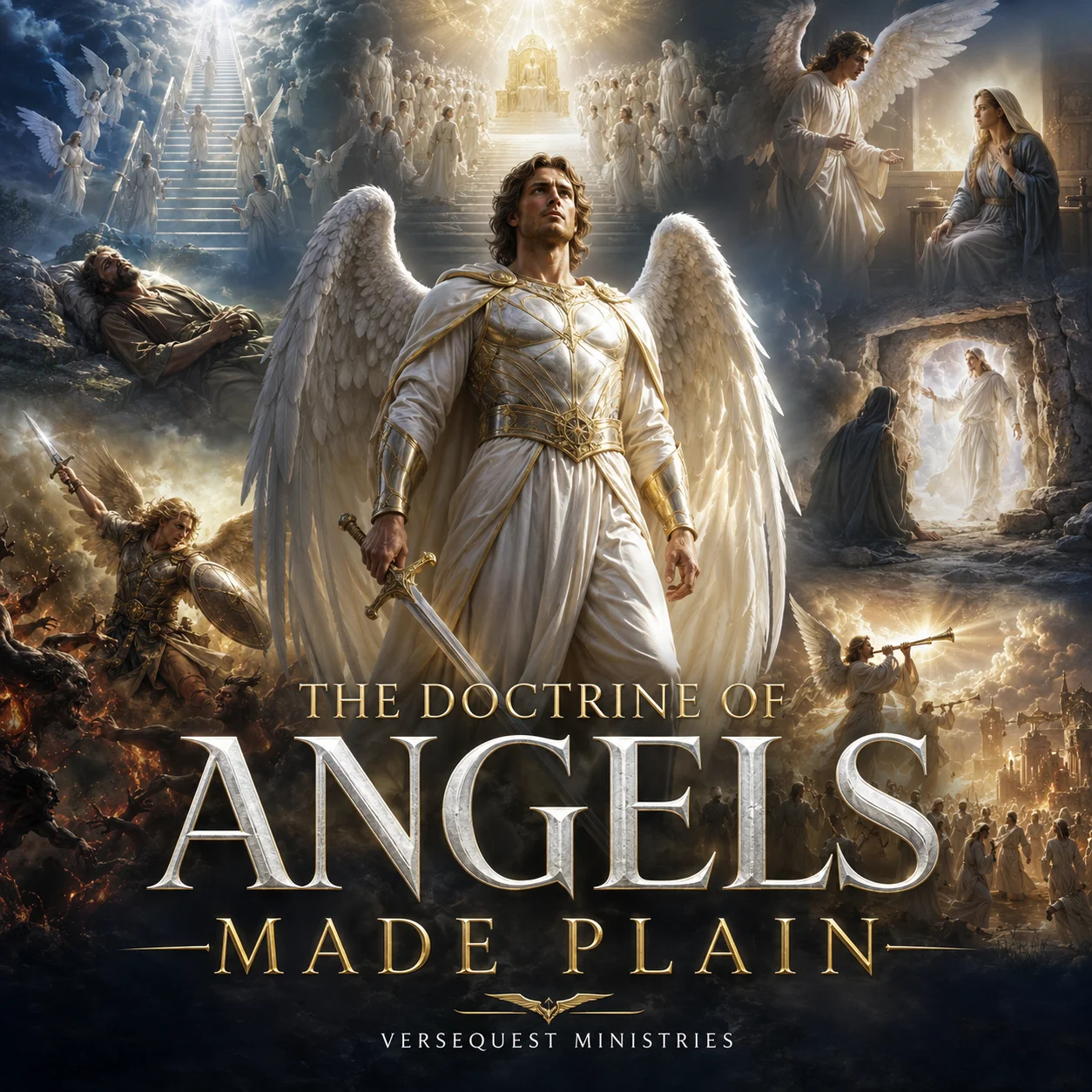
- The Doctrine of Angels Made Plain – 620-Page KJV Bible Study PDF
- The Doctrine of Angels Made Plain is a 620-page KJV Bible study that traces angels from Genesis to Revelation. This premium VerseQuest PDF explains holy angels, Christ’s supremacy over angels,…
- Original price was: $29.99.$9.99Current price is: $9.99.
- Add to cart
-
-67%
-
Premium Studies
-
-25%
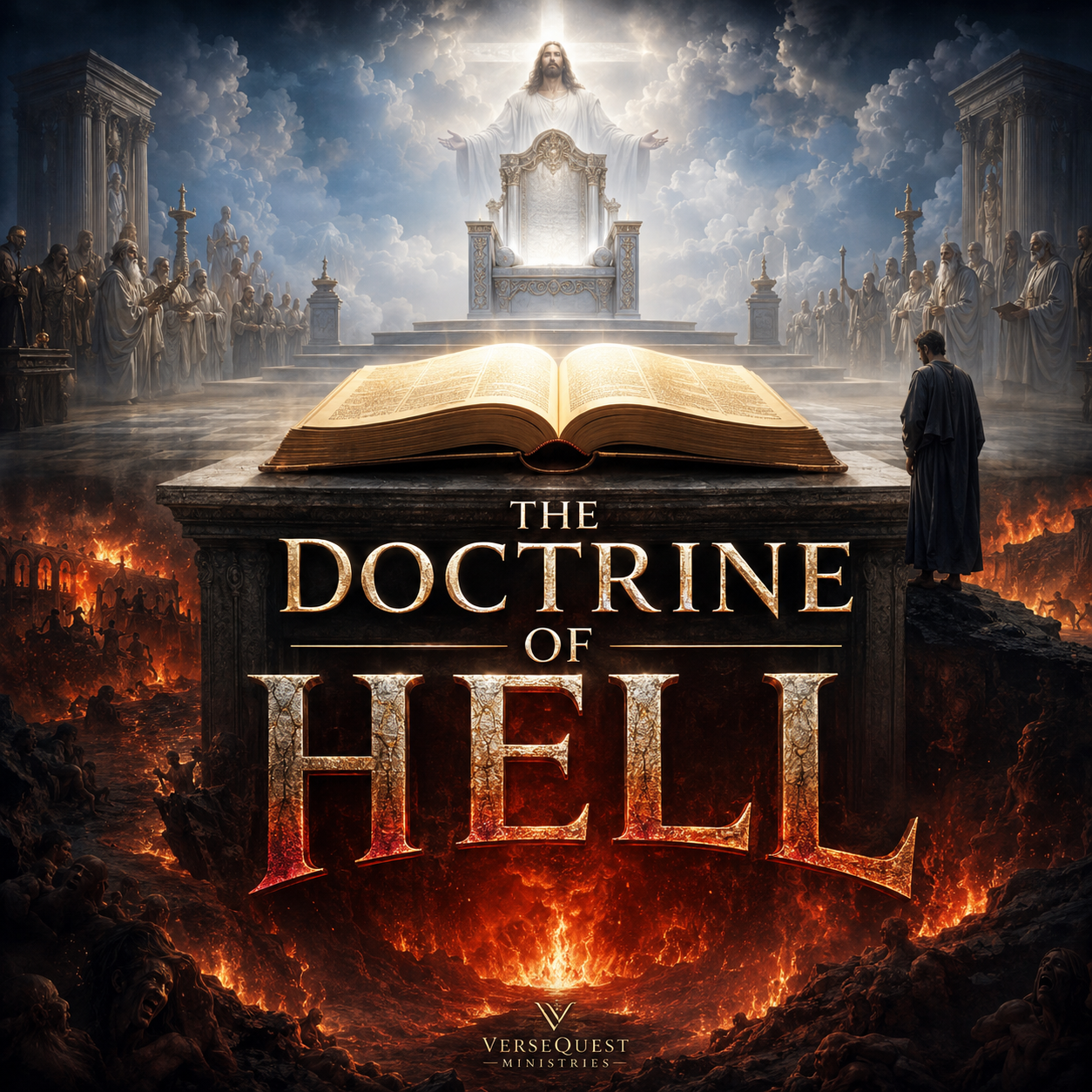
- The Doctrine of Hell — Premium Essay Series PDF
- A 383-page premium VerseQuest PDF study book containing 54 KJV essays on hell, fire, darkness, judgment, the lake of fire, the second death, and Jesus Christ as the only escape.
- Original price was: $39.99.$29.99Current price is: $29.99.
- Add to cart
-
-25%
-
VerseQuest Premium Library
-
-67%
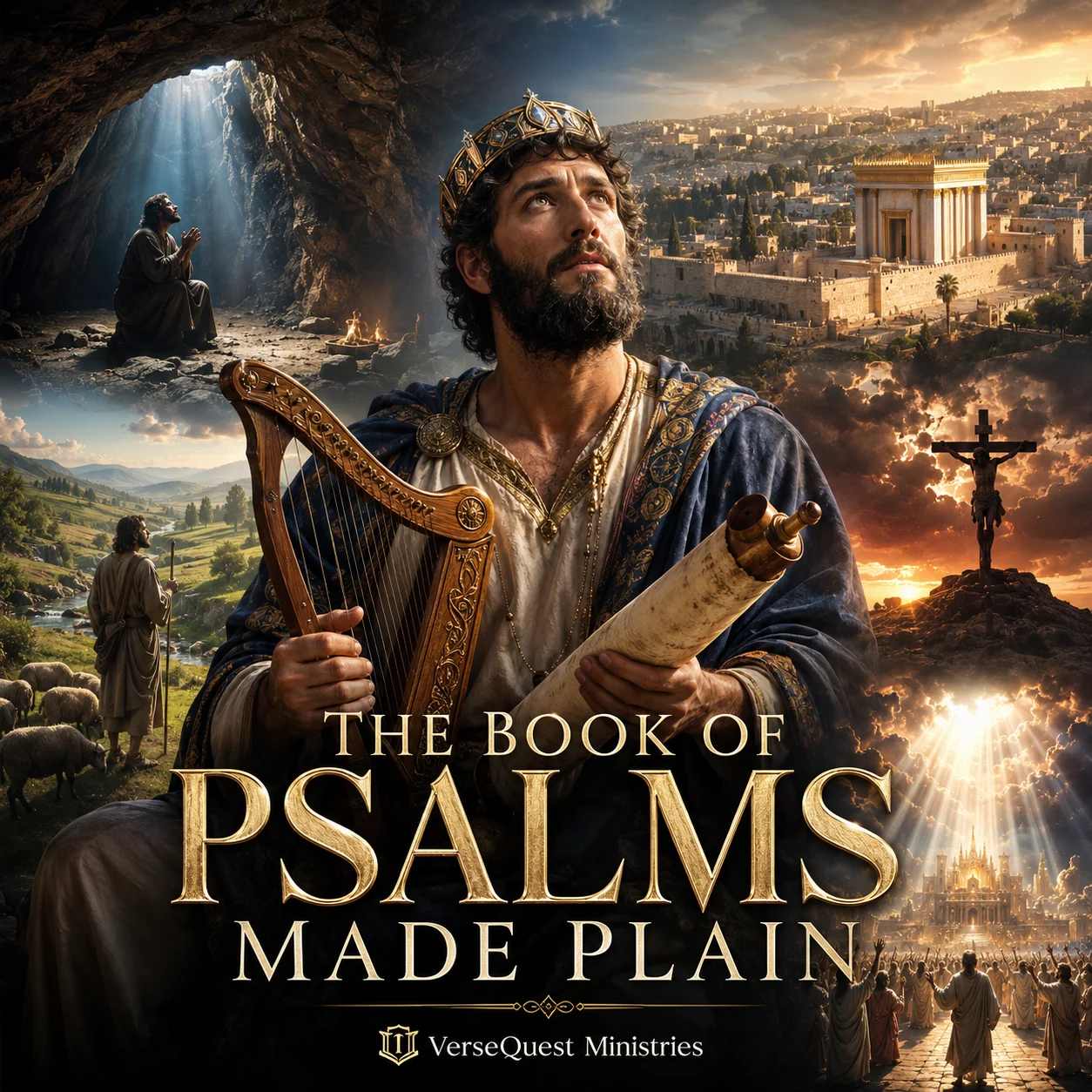
- The Book of Psalms Made Plain – 383-Page KJV Psalm Study
- The Book of Psalms Made Plain is a 383-page premium KJV Bible study featuring 54 detailed essays through the major themes, doctrines, prophecies, prayers, laments, and praises of the Psalms.…
- Original price was: $29.99.$9.99Current price is: $9.99.
- Add to cart
-
-67%
-
Premium VerseQuest Books
-
-75%
- Christ in the Old Testament Made Plain — 100-Essay KJV Study PDF
- A massive 670-page premium KJV Bible study PDF featuring 100 detailed essays showing Jesus Christ throughout the Old Testament in promise, type, sacrifice, Christophany, prophecy, suffering, resurrection, priesthood, and future…
- Original price was: $39.99.$9.99Current price is: $9.99.
- Add to cart
-
-75%
-
The Rapture
-
-67%
- Caught Up Before the Wrath – 66-Essay KJV Rapture Study
- Caught Up Before the Wrath is a 430-page premium KJV Bible study defending the pre-tribulation Rapture of the Church from a rightly divided, dispensational perspective. This 66-essay VerseQuest Ministries book…
- Original price was: $29.99.$9.99Current price is: $9.99.
- Add to cart
-
-67%