
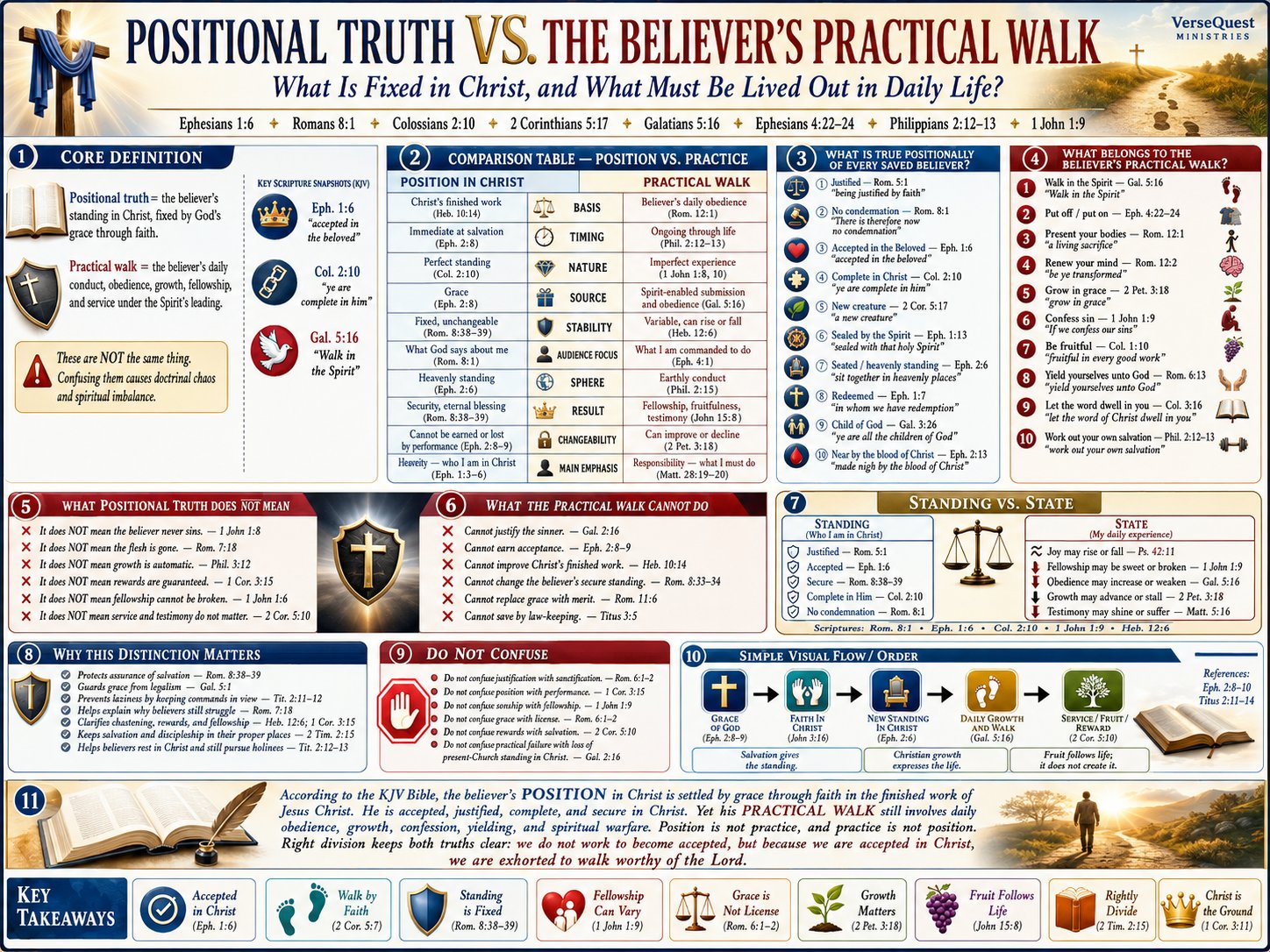
Positional Truth vs. the Believer’s Practical Walk – What Is Fixed in Christ and What Must Be Lived Out Daily (KJV Bible Study Chart)
Understand positional truth and the believer’s practical walk with this detailed KJV chart covering standing versus state, justification, sanctification, fellowship, confession, growth, spiritual fruit, service, chastening, reward, and assurance in Christ.
$3.99
Description
Positional Truth vs. the Believer’s Practical Walk is a detailed KJV Bible study chart explaining the crucial difference between the believer’s unchanging standing in Jesus Christ and his developing daily conduct, fellowship, growth, obedience, service, and testimony.
Built around Ephesians 1:6, Romans 8:1, Colossians 2:10, 2 Corinthians 5:17, Galatians 5:16, Ephesians 4:22–24, Philippians 2:12–13, and 1 John 1:9, this chart separates truths that are often confused in Christian teaching: position and practice, standing and state, justification and sanctification, salvation and discipleship, eternal life and reward, relationship and fellowship.
The believer’s position in Christ is settled by God’s grace through faith in the finished work of Jesus Christ. The believer’s practical walk concerns how he lives each day beneath the leadership of the Holy Spirit and the authority of the written Word.
These two categories are connected, but they are not identical. Position provides the foundation for Christian living; practice expresses that position through obedience. Confusing them produces doctrinal chaos, weakened assurance, legalism, carelessness, and unnecessary spiritual fear.
Positional truth answers the question, “Who am I in Jesus Christ?” The practical walk answers, “How should I live because I belong to Him?”
The chart begins by defining positional truth as the believer’s standing in Christ, fixed by God’s grace through faith. This standing rests entirely upon what Jesus Christ accomplished through His death, burial, and resurrection.
The Christian is not accepted because he has reached sufficient maturity, maintained perfect fellowship, overcome every temptation, performed enough service, or produced an impressive record of good works. He is accepted because God has placed him in the Beloved.
Ephesians 1:6 declares that believers are “accepted in the beloved.” Their acceptance is located in Jesus Christ rather than in the fluctuating quality of their daily performance.
Colossians 2:10 states, “And ye are complete in him.” The believer may still be immature in knowledge, inconsistent in conduct, weak in discipline, or in need of correction, but his standing before God is complete in Christ.
Romans 8:1 declares, “There is therefore now no condemnation to them which are in Christ Jesus.” Eternal condemnation has been removed because Jesus Christ bore the believer’s judgment and supplied the righteousness God requires.
The chart defines the practical walk as the believer’s daily conduct, obedience, growth, fellowship, testimony, and service under the Holy Spirit’s leading.
The practical walk is not the means by which the sinner purchases salvation. It is the life that should follow salvation. Grace establishes the believer’s position and then teaches him to live in a manner worthy of that calling.
A major comparison table places position and practice side by side. The basis of the believer’s position is Christ’s finished work. The basis of practical Christian growth is Spirit-enabled obedience to the Word of God.
Position is received immediately at salvation. Practical sanctification continues throughout the believer’s earthly life.
Position is perfect because it rests upon Jesus Christ. Daily experience remains imperfect because believers still carry the flesh, face temptation, require correction, and grow gradually.
The source of position is grace. The source of spiritual progress is the indwelling Holy Spirit working through Scripture and a yielded believer.
Position is fixed and unchangeable. The believer’s daily condition may rise or fall according to obedience, confession, prayer, fellowship, spiritual nourishment, temptation, and discipline.
Position concerns what God says about the believer in Christ. Practice concerns what God commands the believer to do because he is in Christ.
Position is heavenly. Ephesians teaches that believers are seated together in heavenly places in Christ Jesus. Practice is lived out through earthly conduct while the Christian remains in this present world.
Position brings eternal blessing, security, justification, acceptance, and sonship. Practice affects fellowship, fruitfulness, testimony, usefulness, chastening, service, and reward.
Position cannot be earned through performance or lost through failure. Practical growth may improve, weaken, stall, or require restoration.
The chart lists ten truths that belong positionally to every genuine believer. First, the believer is justified. Romans 5:1 states, “Therefore being justified by faith, we have peace with God through our Lord Jesus Christ.”
Justification is God’s legal declaration that the believer is righteous through Jesus Christ. It is not a gradual reward for successful Christian conduct.
Second, the believer has no condemnation. Romans 8:1 establishes that Christ has answered the believer’s eternal sentence.
Third, the believer is accepted in the Beloved. His standing rests upon the worthiness of Jesus Christ rather than his personal record.
Fourth, the believer is complete in Christ. Nothing must be added to Christ’s finished work to make the believer more accepted before God.
Fifth, the believer is a new creature. Second Corinthians 5:17 teaches that anyone in Christ has received a new spiritual identity and life.
Sixth, the believer is sealed by the Holy Spirit. Ephesians 1:13 connects hearing and believing the gospel with being sealed by the Holy Spirit of promise.
Seventh, the believer is seated in heavenly places. Ephesians 2:6 reveals the believer’s spiritual position and heavenly association with Christ.
Eighth, the believer is redeemed. Ephesians 1:7 teaches that redemption and forgiveness come through Christ’s blood.
Ninth, the believer is a child of God. Galatians 3:26 states, “For ye are all the children of God by faith in Christ Jesus.”
Tenth, the believer has been made nigh by the blood of Christ. Those who were once far from God have received access through the blood of Jesus Christ.
These truths describe what God has accomplished. They are not spiritual goals the believer must achieve through discipline. They form the secure foundation upon which Christian growth takes place.
The chart then identifies ten responsibilities belonging to the believer’s practical walk.
The Christian is commanded to walk in the Spirit. Galatians 5:16 states, “Walk in the Spirit, and ye shall not fulfil the lust of the flesh.”
Walking in the Spirit is a continuing daily pattern of submission, dependence, obedience, prayer, and agreement with Scripture. It is not a one-time emotional experience.
The believer is commanded to put off the old man and put on the new man. Ephesians 4 connects this with rejecting former corrupt conduct, renewing the mind, and living according to righteousness and true holiness.
The believer must present his body as a living sacrifice. Romans 12:1 calls Christians to surrender their members, abilities, time, and energy to God as reasonable service.
The Christian must renew his mind. Romans 12:2 teaches that transformation takes place through renewed thinking rather than conformity to the world.
The believer must grow in grace. Second Peter 3:18 commands continued growth in the grace and knowledge of Jesus Christ.
Spiritual birth is instantaneous, but maturity requires time, teaching, correction, experience, obedience, and perseverance.
The believer must confess sin. First John 1:9 teaches that honest confession brings cleansing and restored fellowship.
Confession does not cause the believer to be born again repeatedly. It addresses fellowship and daily cleansing within an established relationship.
The believer must be fruitful in every good work. Colossians 1:10 connects a worthy walk with fruitfulness and increasing knowledge of God.
The believer must yield himself unto God. Romans 6 commands Christians to present themselves and their bodily members as instruments of righteousness.
The believer must allow the Word of Christ to dwell richly within him. Colossians 3:16 places Scripture at the centre of wisdom, teaching, admonition, worship, and spiritual growth.
Finally, the believer must work out his salvation. Philippians 2:12–13 does not command the sinner to work for eternal life. It commands the saved believer to express outwardly what God is already working within him.
The passage immediately explains, “For it is God which worketh in you both to will and to do of his good pleasure.” Christian growth involves genuine responsibility empowered by divine grace.
A major section explains what positional truth does not mean. Secure standing does not mean that the believer never sins.
First John 1:8 warns, “If we say that we have no sin, we deceive ourselves.” Christians remain capable of failure and must continue confessing sin and walking in dependence upon God.
Positional truth does not mean the flesh has disappeared. Romans 7 records Paul’s recognition that no good thing dwelt in his flesh.
The believer is spiritually alive in Christ but continues to carry an unglorified body and a fleshly nature that must be denied.
Positional truth does not mean spiritual growth is automatic. Philippians 3 presents Paul pressing toward greater maturity rather than assuming his secure standing made effort unnecessary.
Positional truth does not guarantee Christian reward. First Corinthians 3 teaches that a believer’s works may be burned while the person himself remains saved.
Salvation is God’s gift; reward concerns faithful service. These categories must not be confused.
Positional truth does not mean fellowship can never be damaged. Christ’s prayer in John 16 and the fellowship teaching of First John demonstrate the importance of daily communion, confession, and obedience.
Positional truth does not mean service and testimony are unimportant. Second Corinthians 5:10 teaches that believers will appear before the judgment seat of Christ.
Security in Christ should motivate faithful living rather than spiritual laziness.
The chart also explains what the believer’s practical walk cannot accomplish. Christian obedience cannot justify a sinner.
Galatians 2:16 repeatedly teaches that justification is not by works of the law but through faith in Jesus Christ.
The practical walk cannot earn acceptance. Ephesians 2:8–9 declares that salvation is the gift of God, not the result of works.
Christian service cannot improve Christ’s finished work. Hebrews 10:14 states that by one offering Christ has perfected forever those who are sanctified.
Daily performance cannot change the believer’s secure standing. Romans 8:33–34 asks who can successfully bring a charge against those whom God has justified.
The practical walk cannot replace grace with merit. Romans 11:6 establishes that grace and works cannot share the saving foundation.
Law-keeping cannot save. Titus 3:5 excludes works of righteousness performed by man from the cause of salvation.
These truths do not make obedience optional. They preserve the proper order: Christ saves, grace provides, faith receives, and Christian obedience follows.
Another major panel distinguishes standing from state. Standing answers, “Who am I in Christ?” State describes the believer’s present daily experience.
Standing includes justification, acceptance, security, completeness in Christ, and freedom from condemnation.
The believer’s daily state may involve joy rising or falling, fellowship being sweet or strained, obedience increasing or weakening, growth progressing or stalling, and testimony shining or suffering.
Psalm 51 records David asking for the joy of salvation to be restored. He did not ask God to recreate eternal life but to restore the joy damaged through sin.
First John 1:9 addresses confession and fellowship. Hebrews 12 addresses chastening. Second Peter 3 addresses growth.
These passages belong to the believer’s state and walk. They must not be used to cancel plain passages concerning the permanence of the believer’s standing in Christ.
The chart explains why this distinction matters doctrinally and practically. First, it protects assurance of salvation.
If acceptance depended upon daily performance, no believer could ever possess certainty. Every sinful thought, weak prayer, missed opportunity, or spiritual struggle would reopen the question of justification.
Romans 8 grounds assurance in God’s love, purpose, justification, Christ’s intercession, and the believer’s union with Jesus Christ.
Second, the distinction guards grace from legalism. Galatians warns against placing believers beneath a works system after they have been justified through faith.
Legalism turns Christian obedience into an attempt to earn or maintain acceptance. Biblical grace teaches the believer to obey because he has already been accepted.
Third, the distinction prevents laziness by keeping commandments in their proper place. Titus 2 teaches that grace instructs believers to deny ungodliness and live soberly, righteously, and godly.
Grace does not remove responsibility. It supplies the secure foundation from which holy living grows.
Fourth, the distinction explains why believers still struggle. Romans 7 describes conflict within the saved person. Secure position does not mean the flesh has disappeared.
Fifth, the distinction clarifies chastening, reward, and fellowship. Hebrews 12 teaches that God disciplines His children. First Corinthians 3 teaches that Christian works will be tested. First John teaches that fellowship may require restoration.
These realities are serious, but none is identical to losing justification or becoming spiritually unborn.
Sixth, the distinction keeps salvation and discipleship in their proper places. Salvation is the free gift received through faith. Discipleship involves sacrifice, self-denial, growth, obedience, and service after salvation.
Seventh, the distinction helps believers rest in Christ while pursuing holiness. The Christian does not obey in order to become accepted. Because he is accepted in Christ, he desires to walk worthy of the Lord.
The chart includes a strong “Do Not Confuse” section. Justification must not be confused with sanctification.
Justification is God’s completed declaration. Practical sanctification concerns the believer’s developing life.
Position must not be confused with performance. The believer’s position rests upon Christ; performance concerns obedience and stewardship.
Sonship must not be confused with fellowship. Fellowship may be damaged while the relationship remains.
Grace must not be confused with license. Romans 6 rejects the idea that secure grace permits continued rebellion.
Reward must not be confused with salvation. Reward may be lost, but eternal life remains God’s gift.
Practical failure must not be confused with loss of present Church standing in Christ. Galatians teaches justification apart from works, and Romans declares no condemnation.
The chart provides a simple visual order. First comes the grace of God. The sinner contributes no merit to salvation.
Second comes faith in Jesus Christ. Faith receives the Saviour and His completed gospel.
Third comes the believer’s new standing in Christ. He is justified, accepted, sealed, complete, and spiritually joined to the Lord.
Fourth comes daily growth and walk. The saved believer learns Scripture, obeys God, confesses sin, walks in the Spirit, and grows in grace.
Fifth comes service, fruit, and reward. Spiritual fruit follows life; it does not create life. Faithful service will be evaluated and rewarded by Jesus Christ.
The order must never be reversed. The sinner does not produce fruit in order to create the root. He receives life through Christ and then begins producing fruit through the Spirit.
The chart’s strong summary is clear: according to the King James Bible, the believer’s position in Christ is settled by grace through faith in the finished work of Jesus Christ.
He is accepted, justified, complete, redeemed, secure, and free from eternal condemnation.
Yet his practical walk still involves daily obedience, confession, spiritual growth, yielding, fruitfulness, service, and warfare against the flesh.
Position is not practice, and practice is not position. Right division keeps both truths clear.
Believers do not work in order to become accepted. Because they are accepted in Christ, they are exhorted to walk worthy of the Lord.
This doctrine produces assurance without carelessness, liberty without lawlessness, holiness without legalism, obedience without fear, and service motivated by gratitude rather than an attempt to purchase divine favour.
This resource is ideal for personal Bible study, new-believer discipleship, standing-versus-state teaching, positional-truth studies, sanctification classes, assurance counseling, eternal-security instruction, Christian-growth studies, pastoral counseling, Sunday school, homeschool Bible curriculum, Christian schools, Bible institutes, sermon preparation, and church membership classes.
Positional truth, believer’s practical walk, position versus practice, standing versus state, standing in Christ, daily Christian walk, justification versus sanctification, accepted in the Beloved, complete in Christ, no condemnation, new creature in Christ, sealed by the Holy Spirit, fellowship versus relationship, salvation versus discipleship, Christian growth, walking in the Spirit, confession and restoration, spiritual fruit, Christian reward, rightly dividing Scripture
Positional truth describes what God has made the believer in Jesus Christ.
The practical walk describes how the believer should live because of his position.
Position and practice are connected, but they must not be confused.
The believer’s position is based upon Christ’s finished work rather than daily performance.
Position is received immediately through faith. Practical maturity develops over time.
Position is perfect because it rests upon Christ. Daily experience remains imperfect because the believer still carries the flesh.
The source of positional standing is grace. The power for practical obedience is the indwelling Holy Spirit working through Scripture.
Position is fixed. Daily condition may rise, fall, weaken, recover, and grow.
Position concerns what God declares about the believer. Practice concerns what God commands the believer to do.
The believer is justified by faith and possesses peace with God.
He is accepted in the Beloved rather than accepted according to personal merit.
He is complete in Christ even while requiring practical growth.
He is a new creature and has received a new identity.
He is sealed by the Holy Spirit unto the day of redemption.
He is seated spiritually in heavenly places in Christ.
He has been redeemed through Christ’s blood.
He is a child of God through faith in Christ Jesus.
He has been made near to God through the blood of Christ.
He is free from eternal condemnation.
These positional truths are accomplishments of grace rather than goals earned through discipleship.
The believer is commanded to walk in the Spirit.
He must put off former conduct and put on the new man.
He should present his body to God as a living sacrifice.
His mind must be renewed through Scripture.
He must continue growing in grace and knowledge.
He should confess known sin and restore fellowship with God.
He should remain fruitful in every good work.
He must yield himself and his bodily members unto God.
The Word of Christ should dwell richly within him.
He should work out in daily life what God is working within him.
Working out salvation is not working to obtain salvation.
Position does not mean the believer never sins.
Position does not mean the flesh has been eradicated.
Position does not make growth automatic.
Position does not guarantee Christian reward.
Position does not make fellowship incapable of being damaged.
Position does not make testimony and service unimportant.
Practical obedience cannot justify the sinner or earn acceptance.
Christian service cannot improve Christ’s finished work.
Daily failure cannot reverse God’s justification.
Works cannot replace grace with merit.
The law cannot become the means of present Church-age salvation.
Standing describes the believer’s identity in Christ. State describes his daily experience.
Joy, fellowship, obedience, growth, testimony, usefulness, and reward may vary.
Relationship remains while fellowship may require restoration.
Chastening should not be confused with condemnation.
Loss of reward should not be confused with loss of salvation.
Justification should not be confused with practical sanctification.
Grace should not be confused with permission to sin.
Secure position should motivate holiness rather than carelessness.
The correct order is grace, faith, new standing, daily growth, service, fruit, and reward.
Fruit follows spiritual life; it does not create spiritual life.
The believer does not obey to become accepted. He obeys because he is accepted in Jesus Christ.
Positional-truth studies, standing-versus-state teaching, justification and sanctification lessons, assurance-of-salvation counseling, eternal-security instruction, new-believer discipleship, explaining Christian failure, fellowship and restoration studies, Christian-growth classes, walking-in-the-Spirit instruction, judgment-seat and reward lessons, grace-versus-legalism studies, pastoral counseling, church membership classes, Sunday school lessons, homeschool Bible curriculum, Christian school teaching, Bible institute instruction, sermon preparation
King James Bible, Strong’s Concordance, Thompson Chain-Reference Bible, Treasury of Scripture Knowledge, Nave’s Topical Bible, Romans 5–8 study notes, Ephesians 1–4 commentary materials, Colossians 2–3 study resources, standing-versus-state charts, salvation-versus-discipleship studies, justification-and-sanctification worksheets, eternal-security Scripture cards, Christian-growth workbooks, judgment-seat and reward resources, Pauline epistle outlines, VerseQuest salvation and Christian Living charts
Related products
-
Premium Studies
-
-25%
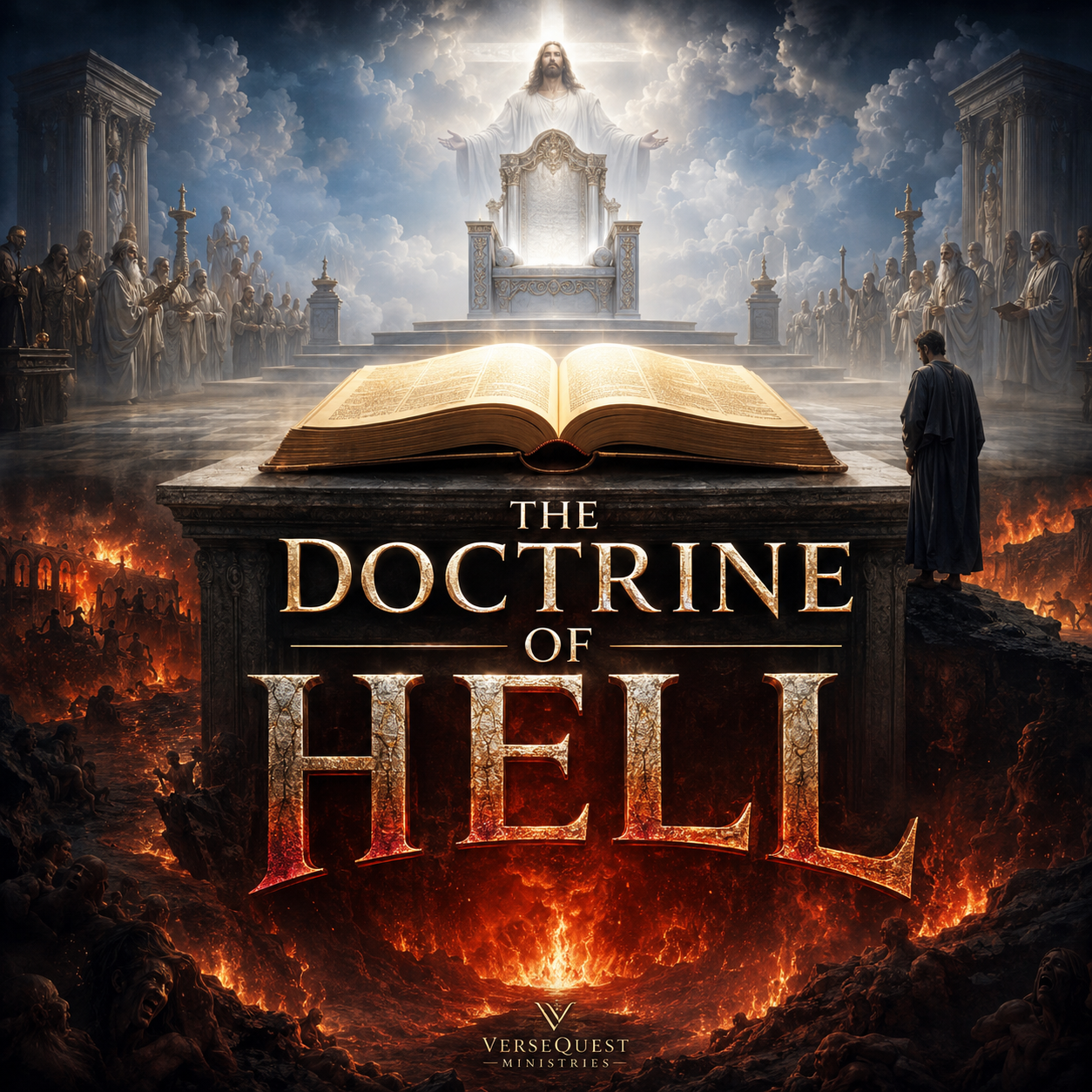
- The Doctrine of Hell — Premium Essay Series PDF
- A 383-page premium VerseQuest PDF study book containing 54 KJV essays on hell, fire, darkness, judgment, the lake of fire, the second death, and Jesus Christ as the only escape.
- Original price was: $39.99.$29.99Current price is: $29.99.
- Add to cart
-
-25%
-
Heaven
-
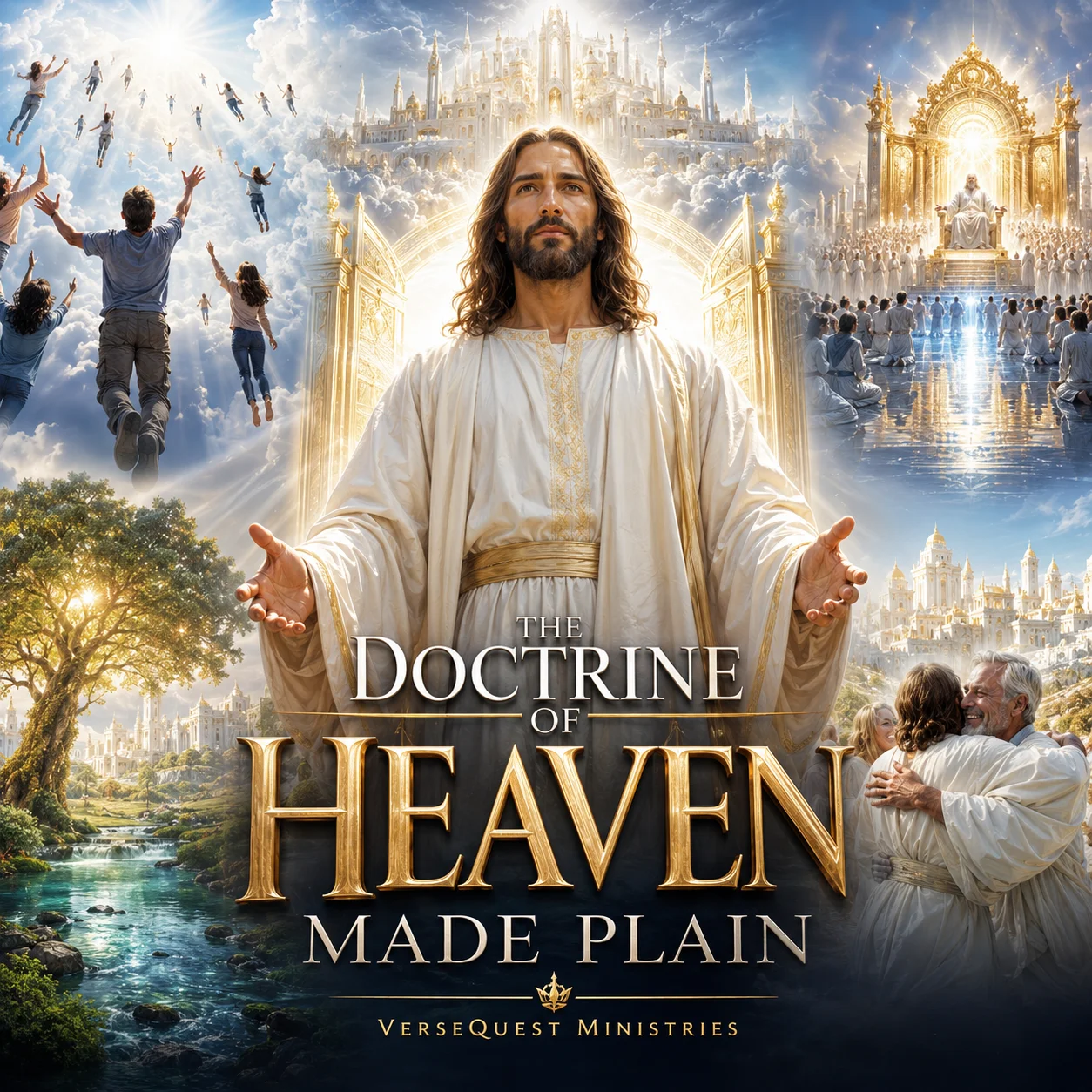
- The Doctrine of Heaven Made Plain — 599-Page KJV Bible Study PDF
- A massive 599-page KJV, rightly divided study on heaven, covering the present heaven, resurrection body, Rapture, Millennium, New Jerusalem, eternal state, hard questions, funeral lies, and cult errors.
- $34.99
- Add to cart
-
-
Doctrine Series
-
The Rapture
-
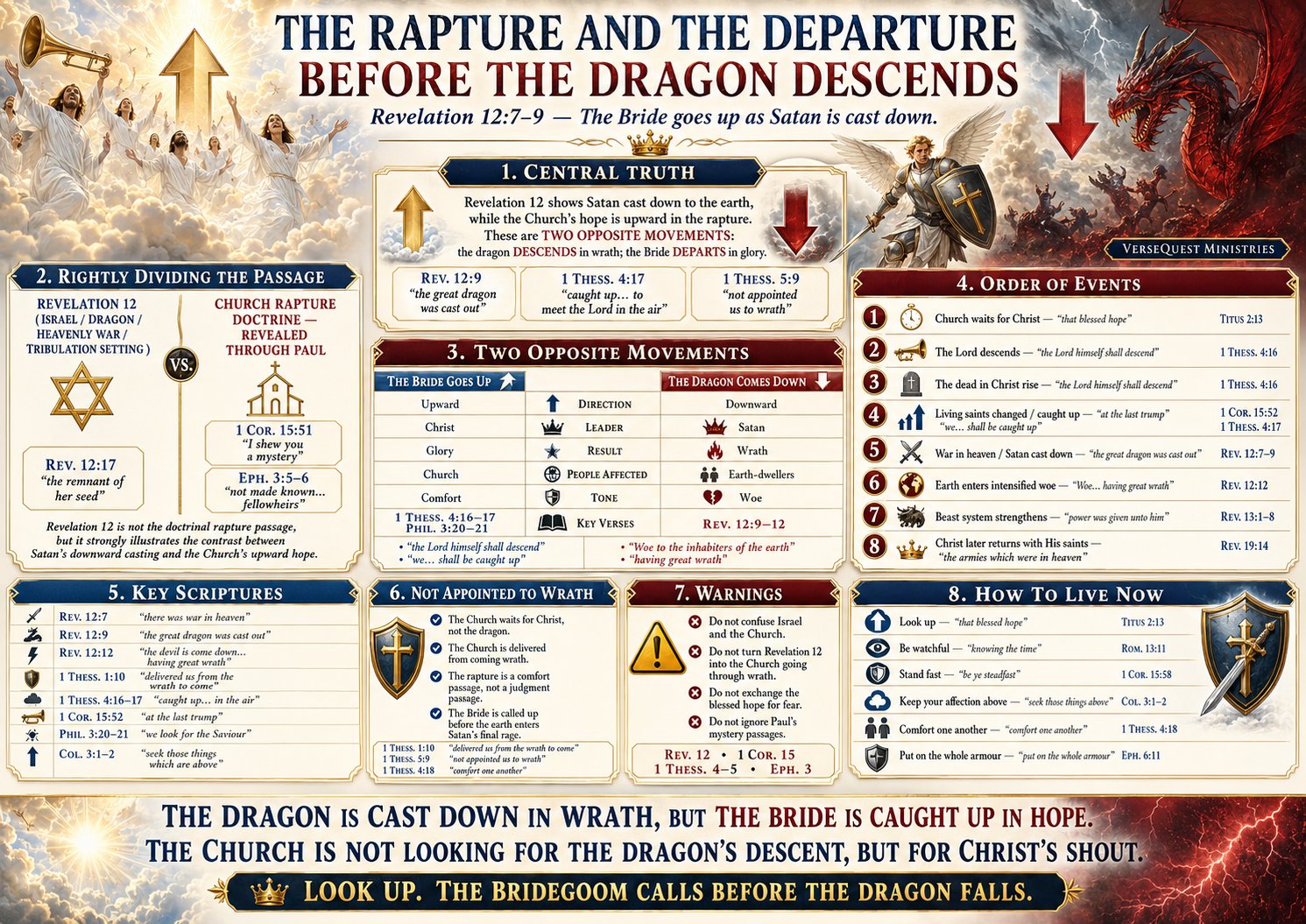
- The Rapture and the Departure Before the Dragon Descends – Printable Bible Study Chart
- Printable KJV Bible study chart on The Rapture and the Departure Before the Dragon Descends, showing the Bride caught up before Satan is cast down in wrath. This premium VerseQuest…
- $4.99
- Add to cart
-
-
Prophecy Studies
-
- The Resurrection of Jesus Christ Made Plain – 501-Page KJV Bible Study
- A massive 501-page VerseQuest Ministries PDF Bible study defending and explaining the bodily resurrection of Jesus Christ from a KJV, rightly divided perspective. This 80-essay study covers the empty tomb,…
- $34.99
- Add to cart
-