
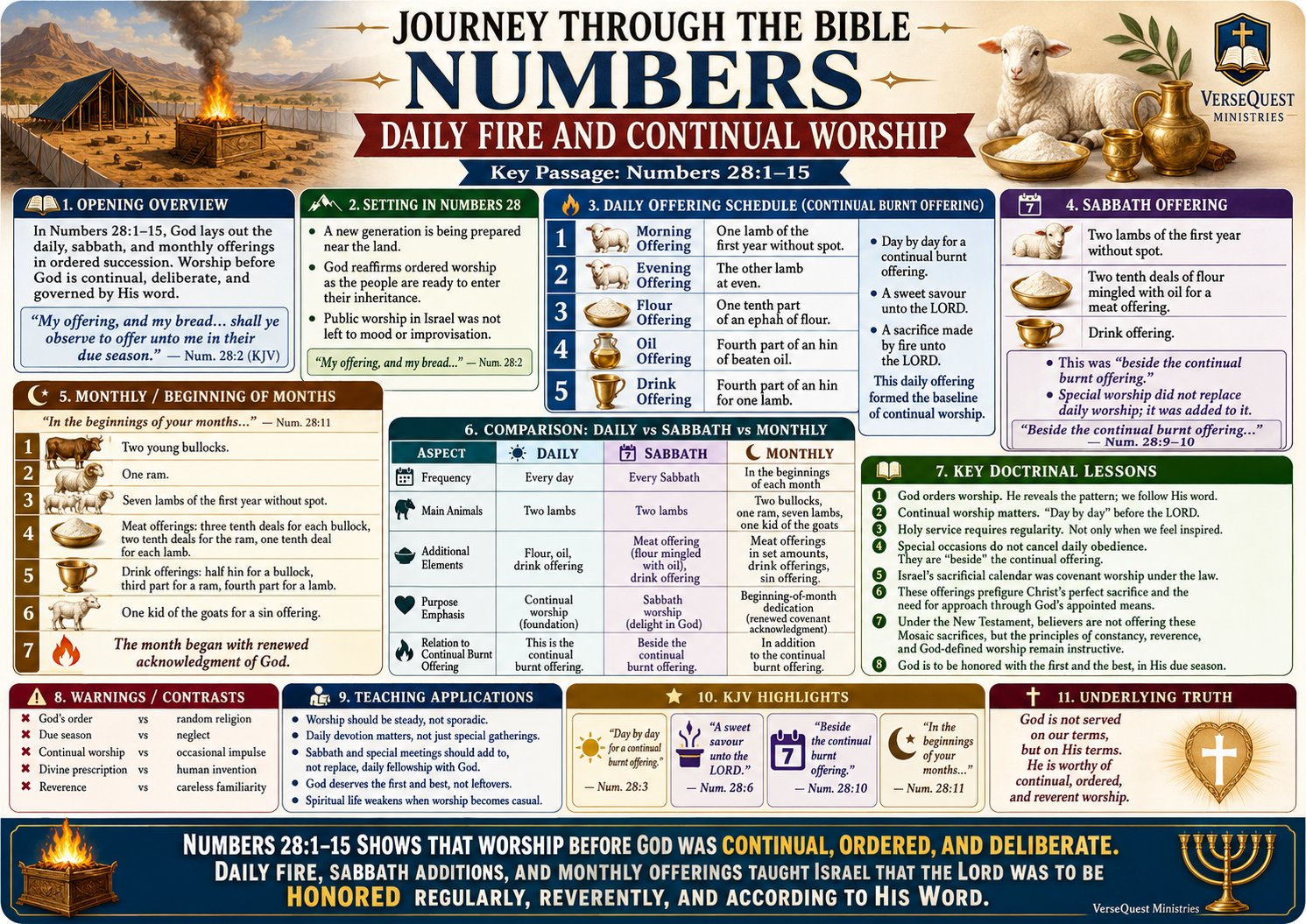
Numbers 28:1–15 Bible Study Chart – Daily Fire, Sabbath Offerings, Monthly Worship, and Continual Devotion (KJV)
Study Numbers 28:1–15 with this detailed KJV chart covering the continual burnt offering, morning and evening sacrifices, Sabbath worship, monthly offerings, and their fulfillment in Jesus Christ.
$3.99
Description
Journey Through the Bible: Numbers 28—Daily Fire and Continual Worship is a detailed KJV Bible study chart examining the daily, Sabbath, and beginning-of-month offerings commanded by the LORD in Numbers 28:1–15. It explains Israel’s ordered sacrificial worship while drawing practical lessons concerning consistency, reverence, obedience, gratitude, and giving God the first and best.
The passage begins with the LORD identifying the offerings as “my offering, and my bread for my sacrifices made by fire.” Worship did not originate in Israel’s imagination, personal preference, or emotional impulse. God revealed the pattern, appointed the offerings, established their timing, and required His people to observe them in their due season.
Numbers 28 appears as a new generation of Israelites prepares to enter the promised land. The older generation had largely died in the wilderness, but God’s worship requirements remained. Before Israel entered its inheritance, the LORD reaffirmed the importance of approaching Him according to His Word.
The chart begins with the continual burnt offering, consisting of one lamb offered in the morning and another lamb offered in the evening. Each lamb was to be of the first year and without spot, accompanied by flour, oil, and a drink offering.
The morning and evening sacrifices formed the daily rhythm of Israel’s public worship. The fire upon the altar continually testified that God’s holiness, Israel’s need for atonement, and the obligation of worship did not disappear between feast days or extraordinary gatherings.
The repeated expression “day by day” emphasizes regularity. Israel was not commanded to worship only when inspired, emotionally moved, nationally threatened, or gathered for a major celebration. The continual offering established daily faithfulness as the foundation beneath the entire sacrificial calendar.
The lamb without spot pointed forward to the sinless Lord Jesus Christ. Israel’s sacrifices could not permanently remove sin, but they foreshadowed the perfect sacrifice of the Lamb of God, who offered Himself once and completed the redemptive work that animal sacrifices could only picture.
The flour offering accompanied the lamb and represented the ordered presentation of provision before God. The oil was mingled with the flour, while the drink offering was poured out according to the measurements God prescribed. Every detail demonstrated that worship was to be deliberate rather than careless.
The daily sacrifice was described as “a sweet savour unto the LORD.” The offering pleased God because it was presented according to His command. Human creativity could not improve the pattern, and sincere invention could not replace obedience.
The chart then examines the Sabbath offering. On every Sabbath, Israel was commanded to offer two additional lambs of the first year without spot, together with the appointed flour, oil, and drink offering.
The Sabbath sacrifice was offered “beside the continual burnt offering.” Special worship did not cancel daily worship. The additional Sabbath observance rested upon the continuing foundation of the morning and evening offerings.
This provides an important practical lesson. Special church meetings, conferences, revivals, Bible studies, or ministry events should never become substitutes for an ordinary daily walk with God. Public excitement cannot replace private prayer, Scripture reading, obedience, and fellowship with the Lord.
The chart also explains the offerings presented at the beginning of each month. Israel brought two young bullocks, one ram, seven lambs of the first year without spot, their appointed meat offerings, drink offerings, and one kid of the goats for a sin offering.
The beginning of the month was marked by renewed acknowledgment of God. Israel’s calendar did not turn merely through civil timekeeping; each new month began with ordered worship, sacrifice, gratitude, and remembrance.
The monthly offerings were again presented in addition to the continual burnt offering. Daily worship remained the baseline. Sabbath worship and monthly observance enlarged the pattern but never replaced the regular daily offering.
A central comparison in the chart places the daily, Sabbath, and monthly sacrifices side by side. The daily offering occurred every morning and evening. The Sabbath offering added two lambs each week. The beginning-of-month offering included bullocks, a ram, seven lambs, meal offerings, drink offerings, and a sin offering.
Although the frequency and number of sacrifices differed, all three observances shared a common principle: God was to be honoured continually, regularly, deliberately, and according to His revealed order.
The chart presents several major doctrinal lessons. First, God orders worship. He does not leave mankind to invent its own approach to His holiness. Second, continual worship matters. The command “day by day” establishes consistency rather than occasional enthusiasm.
Third, holy service requires regularity. Israel could not wait until it felt inspired before tending to God’s altar. Fourth, special occasions were additions to daily obedience, not replacements for it.
Fifth, Israel’s sacrificial calendar belonged specifically to the nation under the Mosaic law. These commands must not be imposed directly upon the Body of Christ as though Church-age believers were required to continue Israel’s animal sacrifices, Sabbath regulations, or monthly ordinances.
Sixth, the sacrifices pointed forward to Jesus Christ. He fulfilled the types through His sinless life, shed blood, and once-for-all sacrifice. The Church does not return to the shadow after the Substance has come.
Seventh, although the Mosaic offerings are not ordinances for the present Church, their principles remain instructive. Believers should worship consistently, approach God reverently, obey His Word carefully, and honour Him with the first and best rather than spiritual leftovers.
The chart contrasts God’s order with random religion, due season with neglect, continual worship with occasional impulse, divine prescription with human invention, and reverence with careless familiarity.
These contrasts warn against reducing worship to emotion, convenience, performance, or isolated religious events. A person may attend an impressive gathering and still neglect God throughout the remainder of the week.
Worship should be steady rather than sporadic. Daily devotion matters, not merely special services. Worship should arise from obedience to Scripture rather than personal novelty. The Lord deserves first place, not whatever energy remains after the world has consumed the believer’s attention.
The rightly divided application is essential. Numbers 28 records literal commands given to Israel under the law. The Body of Christ is not commanded to build an altar, offer lambs, observe Israel’s Sabbath sacrifices, or keep the beginning-of-month offerings.
Jesus Christ fulfilled the sacrificial types through His completed work. Hebrews teaches that the repeated sacrifices could never make the worshippers perfect, but Christ offered one sacrifice for sins forever.
The Christian now approaches God through Jesus Christ, the great High Priest. Worship is offered through praise, thanksgiving, prayer, obedience, Christian service, generosity, holiness, and the presentation of the believer’s body as a living sacrifice.
The chart therefore avoids two opposite errors. It does not place the Church back under Israel’s ceremonial law, and it does not dismiss Numbers 28 as irrelevant. The historical command remains profitable for doctrine, instruction, spiritual comparison, and understanding the work of Christ.
The phrase “in their due season” teaches that obedience has an appointed time. Delayed obedience can become disobedience. Israel could not offer the morning lamb at whatever hour seemed convenient or move the monthly sacrifice to a preferable date.
The believer should likewise honour God when duty calls rather than continually postponing prayer, Scripture reading, restitution, service, giving, or obedience until a more comfortable season.
The chart’s underlying truth is that God is not served on human terms but on His own. He is worthy of continual, ordered, and reverent worship. He deserves more than occasional attention produced by crisis or emotion.
This resource is ideal for personal Bible study, Numbers chapter teaching, studies of Israel’s sacrificial system, worship instruction, law-and-grace comparisons, Christ-centred typology, Sunday school, homeschool Bible curriculum, Bible institutes, sermon preparation, discipleship, and teaching the importance of consistent devotion.
Numbers 28, continual burnt offering, daily sacrifice, morning and evening offering, Sabbath offering, beginning-of-month offering, Israel’s sacrificial worship, worship in due season, lamb without spot, flour and oil offering, drink offering, sweet savour unto the LORD, ordered worship, continual devotion, reverence before God, law and grace, Christ the Lamb of God, once-for-all sacrifice, Christian worship, right division
Numbers 28 begins with God claiming the offerings as “my offering” and “my bread.” Israel was not free to redesign worship according to preference. God identified what was to be offered and when it was to be presented.
The phrase “in their due season” emphasizes appointed obedience. Worship was not to be moved, delayed, or neglected because another time appeared more convenient.
The continual burnt offering consisted of one lamb in the morning and another in the evening. This created a daily rhythm in which Israel’s public life was framed by sacrifice and acknowledgment of God.
The lambs were to be without spot. This requirement reflected God’s holiness and foreshadowed Jesus Christ, the sinless Lamb whose sacrifice alone could remove sin fully.
The flour, oil, and drink offerings were not optional decorations. God prescribed the elements and measurements, demonstrating that biblical worship is deliberate and ordered.
The offering produced a sweet savour unto the LORD because it was presented according to His revealed will. Sincerity never gives man permission to disregard what God has commanded.
The daily offering formed the foundation of the sacrificial schedule. Sabbath and monthly sacrifices were offered beside it rather than in place of it.
This principle warns against using special spiritual events as substitutes for consistent devotion. A conference cannot replace daily Scripture. A revival meeting cannot replace ordinary obedience. Public worship cannot excuse private neglect.
The Sabbath offering included two additional lambs, flour mingled with oil, and a drink offering. It acknowledged the special covenant significance of the Sabbath within Israel’s law.
The beginning-of-month offerings were more extensive and included bullocks, a ram, seven lambs, meat offerings, drink offerings, and a sin offering. The changing of the month was marked by renewed worship before God.
Israel’s religious calendar demonstrates that time itself belonged to the LORD. Days, weeks, months, and appointed seasons were organized around worship and covenant remembrance.
These sacrifices were literal commands for Israel under Moses. They are not direct ordinances for the Body of Christ during the present dispensation of grace.
The Church does not offer animal sacrifices because Jesus Christ offered Himself once. Returning to repeated sacrifices would deny the sufficiency of His completed work.
Hebrews explains that the law contained shadows of good things to come. The sacrifices taught sin, substitution, holiness, access, and the need for a perfect offering.
Christ fulfilled the types. He was without blemish, shed His blood, satisfied divine justice, and sat down because redemption was completed.
The believer’s present worship includes praise, thanksgiving, prayer, generosity, obedience, holiness, and presenting the body as a living sacrifice. These do not purchase salvation but flow from redemption already received.
Consistency matters in Christian living. A faithful walk is ordinarily built through repeated obedience rather than occasional emotional intensity.
God deserves the first and best. Israel could not bring defective animals or careless leftovers. Believers should not give God only the remainder of their time, attention, strength, or resources.
Continual worship does not mean remaining in a church building all day. It means living every area of life beneath God’s authority and consciously offering daily conduct for His glory.
The central lesson is that the Lord is worthy of ordered, continual, reverent worship according to His Word.
Numbers chapter study, teaching Israel’s sacrificial system, daily devotional consistency, worship and reverence, law-and-grace comparisons, Christ-centred typology, morning and evening prayer, faithful Christian habits, Sabbath-offering studies, biblical calendar instruction, Sunday school lessons, homeschool Bible curriculum, Christian school teaching, Bible institute classes, pastoral training, sermon preparation, discipleship, personal spiritual growth
King James Bible, Strong’s Concordance, Thompson Chain-Reference Bible, Treasury of Scripture Knowledge, Nave’s Topical Bible, Bible atlas, Numbers commentary notes, Levitical sacrifice studies, tabernacle and altar charts, Hebrews 9–10 study materials, law-and-grace comparison notes, Christ as the Lamb of God studies, personal devotional journal, Scripture memory cards, VerseQuest Numbers and worship charts
Related products
-
Spiritual Growth
-
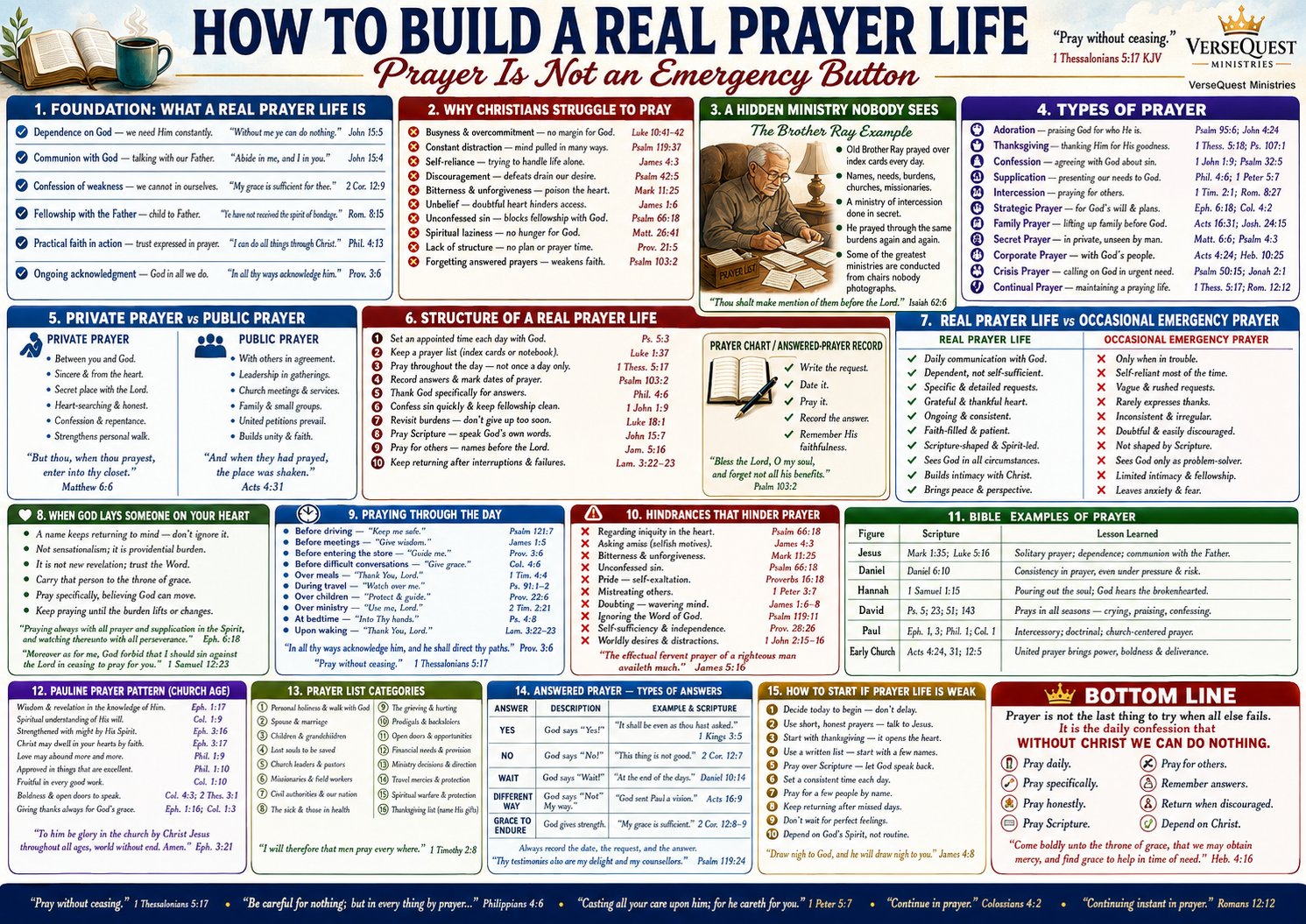
- How to Build a Real Prayer Life – Biblical Prayer Guide and KJV Bible Study Chart
- Build a consistent, biblical prayer life with this detailed KJV Bible study chart. Explore the foundations of prayer, types of prayer, common hindrances, answered prayer, Bible examples, and practical ways…
- $3.99
- Add to cart
-
-
Acts Commentary
-
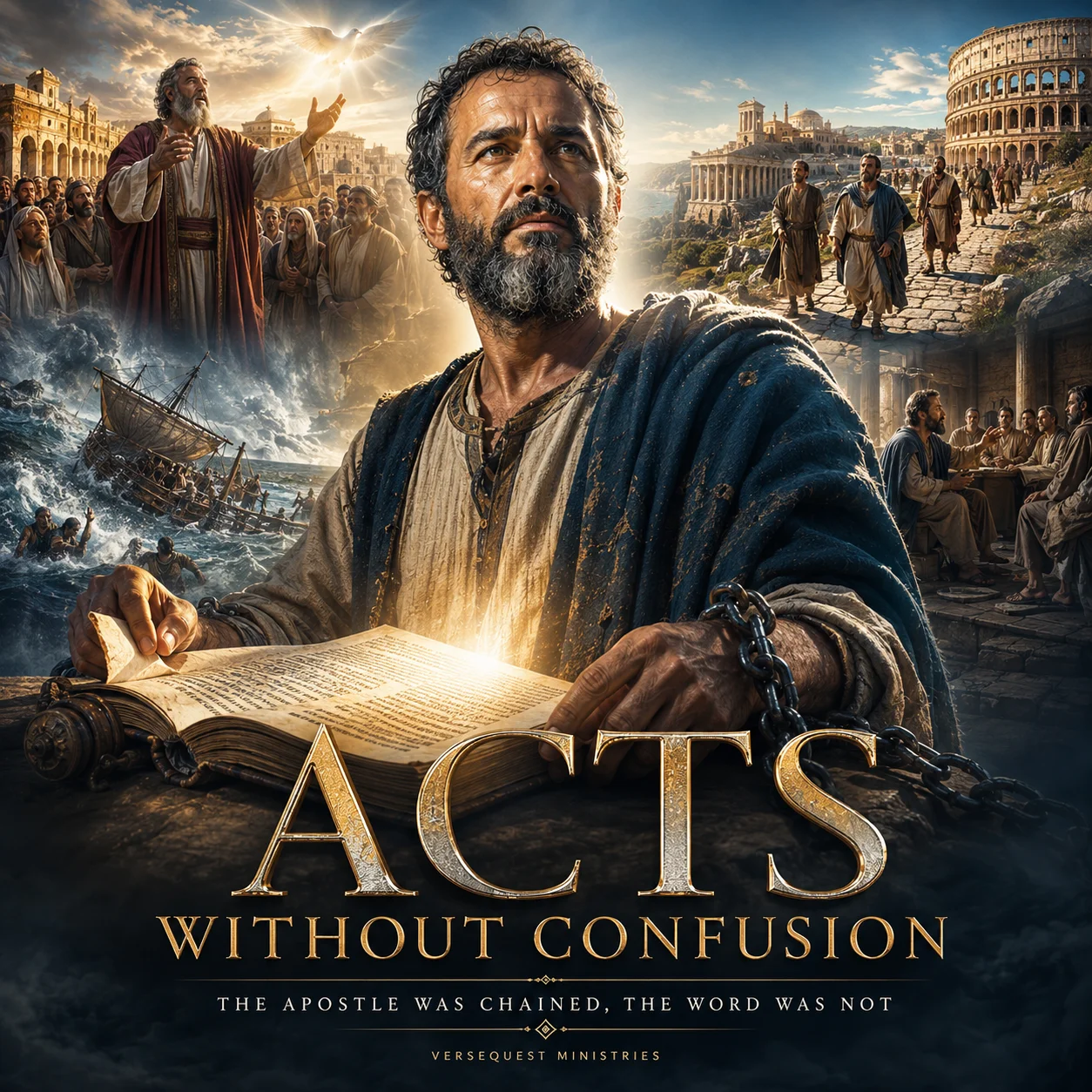
- Acts Without Confusion PDF Book – Rightly Divided KJV Study of Acts
- A massive 439-page, 50-part KJV study of the Book of Acts showing how the biblical record moves from Jerusalem to Rome, Peter to Paul, Israel’s national testimony to the Gentile…
- $9.99
- Add to cart
-
-
Exodus Bible Study
-
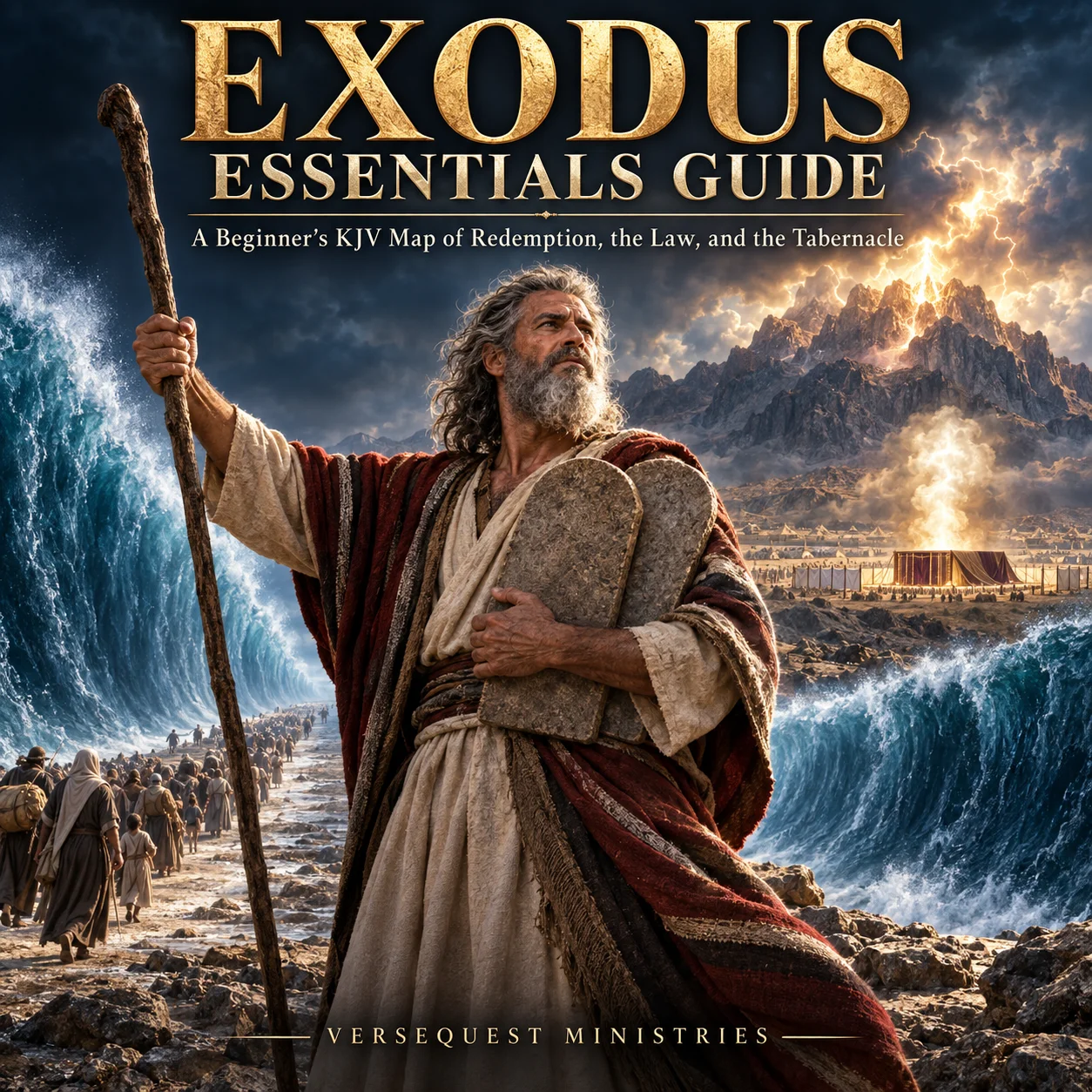
- Exodus Essentials Guide: A Beginner’s KJV Map of Redemption, the Law, and the Tabernacle
- The Exodus Essentials Guide is a 65-page downloadable and printable KJV study that presents the Book of Exodus in a clear, concise, and beginner-friendly format. Follow Israel from Egyptian bondage…
- $14.99
- Add to cart
-
-
Body Art
-
- Tattoos Body Art and the Christian — A Seven-Part KJV Bible Study
- Tattoos Body Art and the Christian is a complete 71-page downloadable PDF book examining tattoos, Christian liberty, bodily ownership, religious symbols, historical marking practices, testimony, and grace through the King…
- $7.99
- Add to cart
-
-
Prayer
-
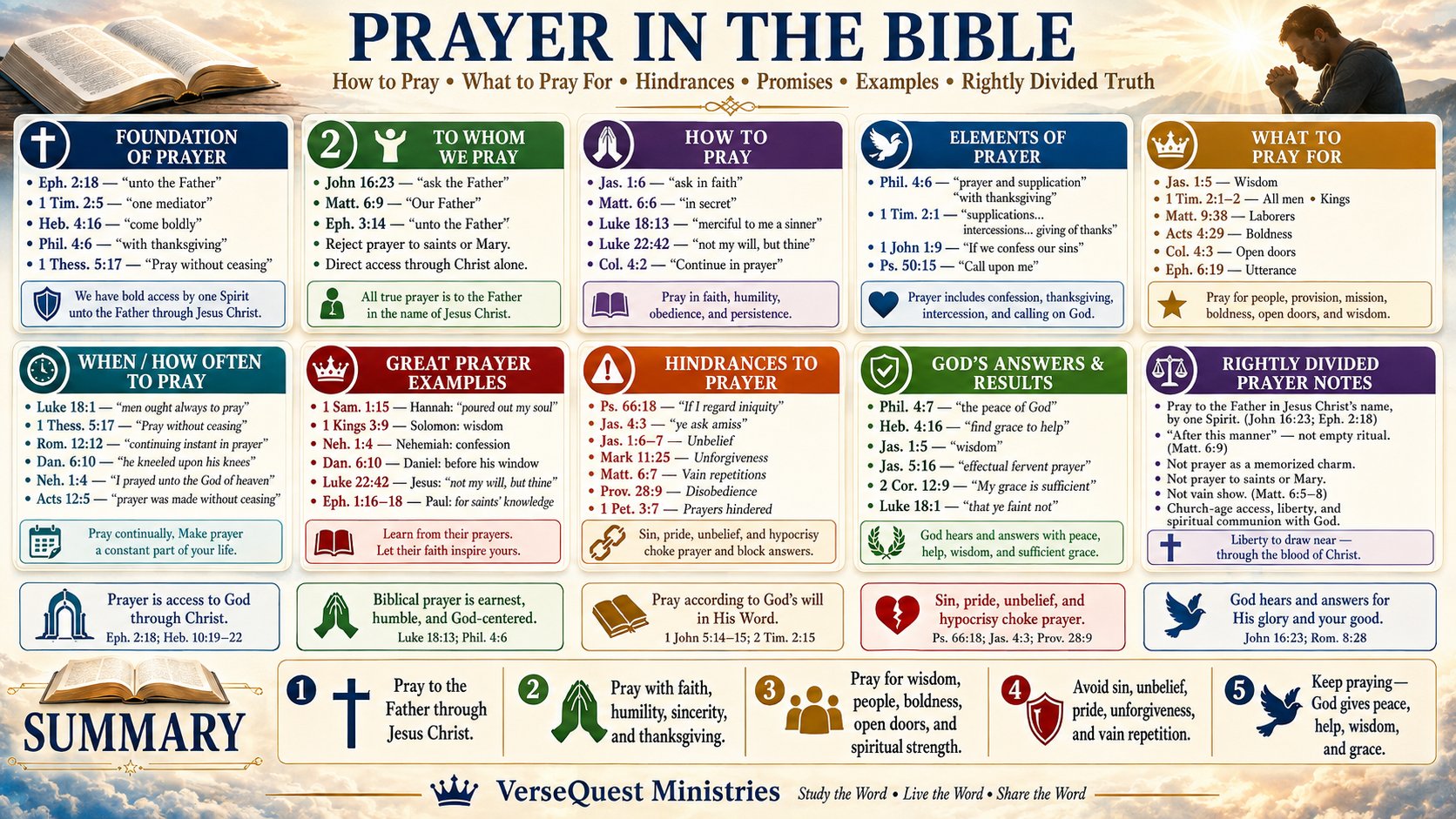
- Prayer in the Bible Chart – How to Pray According to Scripture
- Discover what the Bible teaches about prayer through this easy-to-follow VerseQuest study chart. Learn who to pray to, how to pray, what hinders prayer, what to pray for, and key…
- $4.99
- Add to cart
-