
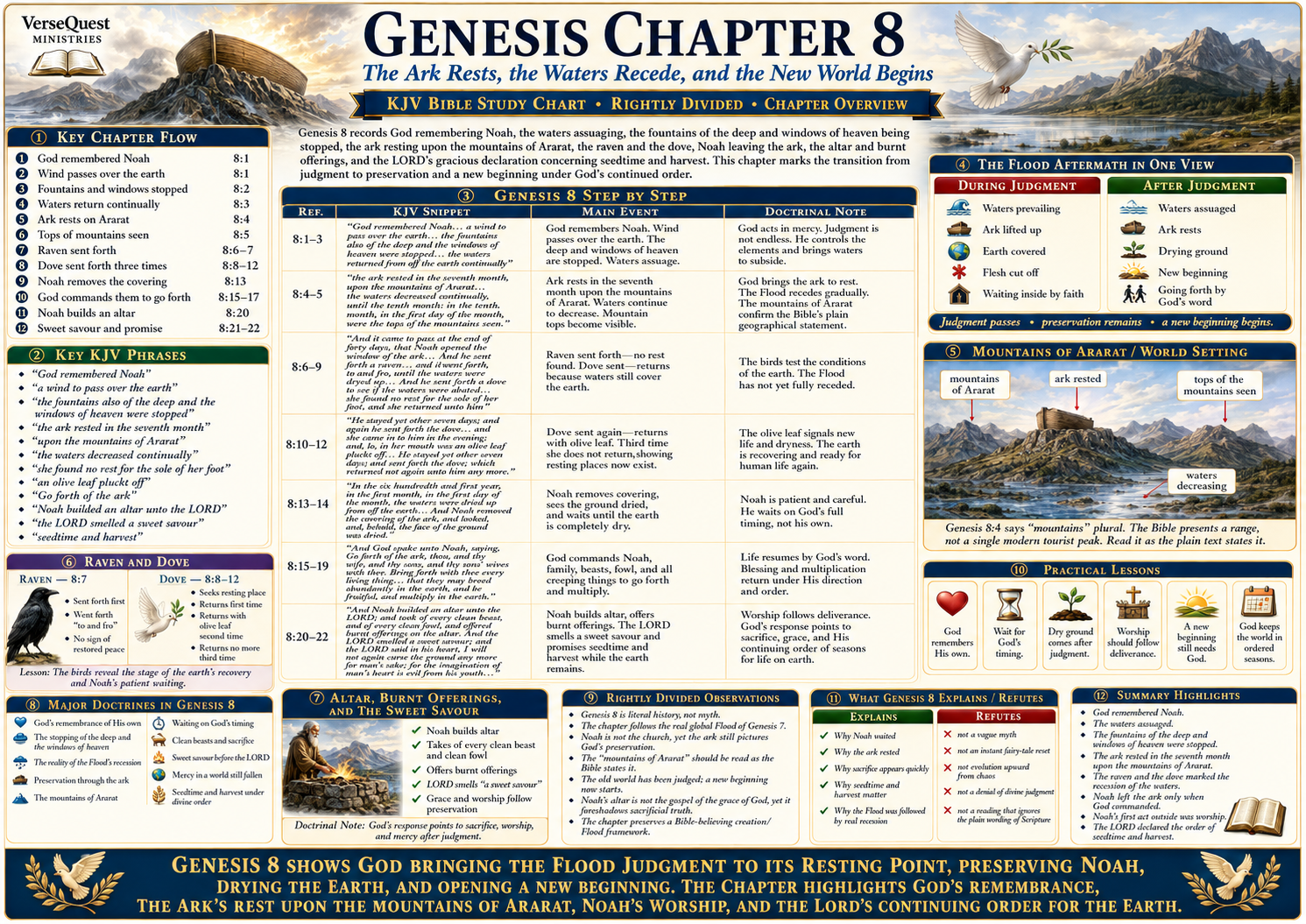
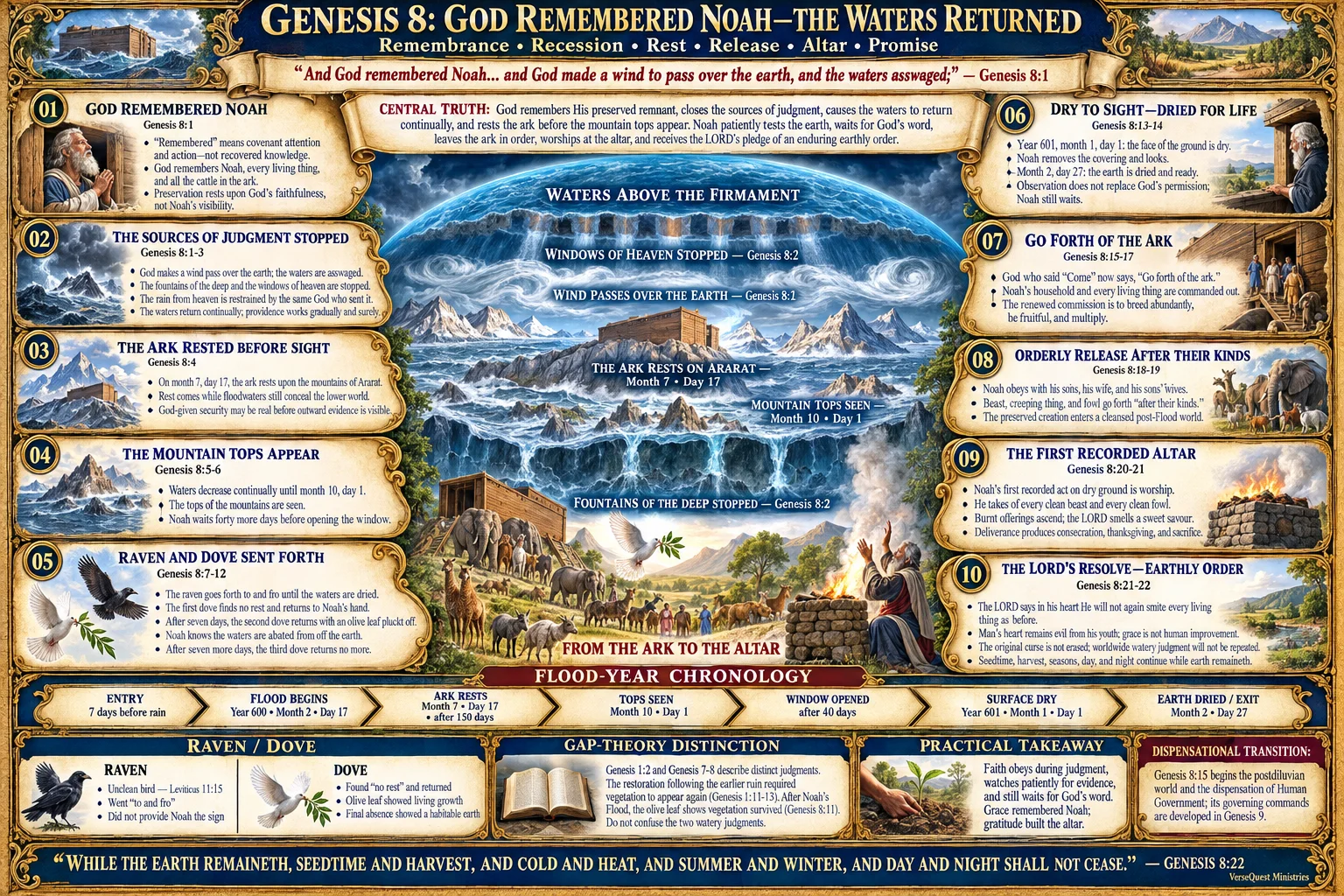
Genesis 8 – God Remembered Noah: The Waters Receded, the Ark Rested, the Dove Returned, and Noah Built an Altar (KJV Bible Study Chart)
Explore Genesis 8 with this detailed KJV chart covering God remembering Noah, the stopping and recession of the Flood waters, the ark resting on Ararat, the raven and dove, the olive leaf, Noah’s patient waiting, the exit from the ark, the first recorded altar, burnt offerings, and God’s promise of continuing earthly seasons.
$4.99
Description
Genesis 8: God Remembered Noah — The Waters Returned is a detailed KJV Bible study chart tracing the transition from worldwide Flood judgment to preservation, release, worship, and renewed earthly order. The chapter begins with the comforting declaration, “And God remembered Noah,” follows the stopping of the fountains of the deep and windows of heaven, records the gradual recession of the waters, marks the ark’s resting upon the mountains of Ararat, follows Noah’s raven and dove tests, and concludes with Noah leaving the ark, building an altar, offering sacrifice, and receiving God’s promise concerning the continuing cycles of the earth.
God’s remembrance does not imply that He had forgotten Noah and suddenly recovered lost information. In Scripture, divine remembrance often signals covenant attention followed by action. God remembers Noah, every living thing, and all the cattle preserved in the ark, and then begins visibly changing their circumstances. A wind passes over the earth, the fountains of the deep are stopped, the windows of heaven are restrained, the rain ceases, and the waters return from off the earth continually. Providence works gradually but certainly.
Genesis gives a careful chronology. The ark rests upon the mountains of Ararat on the seventeenth day of the seventh month, after the waters have prevailed 150 days. Yet the mountain tops do not become visible until the first day of the tenth month. Rest therefore comes before sight. Noah is already secure upon God’s appointed resting place while the evidence remains hidden beneath the receding waters.
Forty days later Noah opens the ark’s window and sends forth a raven, which goes “to and fro” until the waters are dried. He then sends a dove, but the dove initially finds “no rest for the sole of her foot” and returns. Seven days later the second dove returns carrying a freshly plucked olive leaf, demonstrating that vegetation has appeared again upon the recovering earth. After another seven days, the dove is sent again and does not return.
Yet Noah does not leave merely because he has gathered sufficient evidence. Genesis 8 carefully distinguishes observation from permission. Noah removes the covering and sees that the surface is dry, but he waits until God says, “Go forth of the ark.” Faith that entered the ark according to God’s Word also exits according to God’s Word.
Noah, his wife, his sons, their wives, and the preserved creatures then leave according to their kinds. The first recorded act Noah performs upon the renewed dry ground is worship. He builds an altar to the LORD and offers burnt offerings from the clean animals and clean fowl. Deliverance produces consecration and thanksgiving rather than independence from God.
The LORD smells a sweet savour and declares that He will not again smite every living thing as He has done, even though “the imagination of man’s heart is evil from his youth.” Grace does not rest upon human improvement. The Flood has judged the world, but it has not removed the fallen Adamic nature. God instead establishes an enduring earthly order: “While the earth remaineth, seedtime and harvest, and cold and heat, and summer and winter, and day and night shall not cease.” Genesis 8 therefore moves from remembrance to recession, from rest to release, and from preservation to worship and promise.
Genesis 8, God remembered Noah, Noah’s ark, Flood waters receded, fountains of the deep stopped, windows of heaven stopped, wind over the earth, ark on Ararat, mountain tops seen, raven and dove, olive leaf, Noah waits for God, go forth of the ark, clean animals, first recorded altar, burnt offerings, sweet savour, post-Flood world, seedtime and harvest, Noah’s sacrifice, divine promise, Flood chronology
Genesis 8 begins with the statement “God remembered Noah.” Divine remembrance does not imply that God had forgotten Noah or lost awareness of the ark. In biblical usage, remembering frequently means that God turns covenant attention toward someone and acts according to His faithfulness. God remembers Noah, the living creatures, and the cattle in the ark and immediately begins bringing the Flood judgment toward its conclusion.
A wind passes over the earth, the fountains of the great deep are stopped, the windows of heaven are restrained, and the rain from heaven is stopped. The same God who released the Flood waters controls their recession. Judgment is never autonomous; its beginning, duration, and ending remain under divine authority.
The ark rests upon the mountains of Ararat on the seventeenth day of the seventh month. The mountain tops are not visible until the first day of the tenth month. This creates an important spiritual lesson: God can give rest before He gives visible evidence. Noah is secure while much of the recovering earth remains hidden beneath the waters.
After forty days Noah opens the ark’s window. The raven goes forth and continues going to and fro. The first dove finds no resting place and returns. Seven days later a second dove returns with an olive leaf, demonstrating that vegetation is again present. After another seven days, the third dove does not return, indicating that the earth has become habitable.
The raven and dove provide a useful contrast, but Scripture should control the symbolism. The raven is an unclean bird and continues outside, while the dove repeatedly returns until the recovering earth can sustain it. The olive leaf becomes a tangible sign that the Flood waters are receding and plant life is again accessible.
Noah eventually removes the covering and sees dry ground, but he still does not leave the ark. Observation does not replace divine permission. Noah entered because God commanded him and exits only after God commands, “Go forth of the ark.” Faith therefore waits upon God’s Word even when circumstances appear to make the next action obvious.
The creatures leave “after their kinds,” preserving the creation terminology established in Genesis 1. The Flood does not erase the created-kind order. Noah, his family, and the animals enter the renewed post-Flood world under God’s continuing purpose for multiplication and life upon the earth.
Noah’s first recorded action after leaving the ark is to build an altar. He offers burnt offerings from every clean beast and clean fowl. The chapter therefore moves directly from deliverance to worship. Noah does not treat preservation as an excuse for independence; he responds to grace with sacrifice and thanksgiving.
The coats of skins in Genesis 3, Abel’s accepted offering in Genesis 4, and Noah’s burnt offering in Genesis 8 contribute to the developing biblical pattern of sacrifice that later becomes explicit in the Mosaic system and ultimately finds fulfillment in Jesus Christ. Noah’s altar is historical, while its relationship to Christ’s sacrifice is typological.
The LORD declares that He will not again smite every living thing in the same manner even though man’s heart remains evil from youth. The Flood therefore does not regenerate human nature. Judgment removes a corrupt civilization but does not eradicate Adamic sin.
Genesis 8:22 establishes continuing earthly cycles while the earth remains: seedtime and harvest, cold and heat, summer and winter, day and night. The explicit covenant promise never again to destroy all flesh by a Flood is developed formally in Genesis 9.
Within the chart’s gap-theory framework, Genesis 1:2 and Noah’s Flood are understood as distinct watery judgments. Genesis 8 specifically concerns recovery from Noah’s Flood and should not be used to erase or redefine the separate ruin-and-restoration interpretation applied to Genesis 1.
Genesis 8:15 begins Noah’s exit into the postdiluvian world, but the dispensational arrangement commonly called Human Government is established more explicitly in Genesis 9 through God’s commands concerning mankind, blood, murder, and civil accountability.
Genesis 8 Bible studies, Noah and the Flood teaching, Flood chronology, ark-on-Ararat studies, raven-and-dove lessons, faith and patience teaching, waiting on God, providence studies, altar and sacrifice lessons, post-Flood world studies, biblical chronology, clean-animal studies, judgment and grace, Noahic covenant preparation, dispensational transition, homeschool Bible curriculum, Sunday school lessons, Christian school teaching, Bible institute classes, pastoral training, sermon preparation
King James Bible, Strong’s Concordance, Thompson Chain-Reference Bible, Treasury of Scripture Knowledge, Nave’s Topical Bible, Genesis 6–9 study notes, Noah and Flood timelines, Flood chronology worksheets, Ararat studies, raven-and-dove Scripture studies, biblical altar studies, burnt-offering resources, Noahic covenant charts, Hebrews 11 faith studies, Matthew 24 days-of-Noah studies, First Peter 3 commentary notes, Second Peter 3 Flood studies, VerseQuest Genesis and Flood charts
Related products
-
Angels
-
-67%
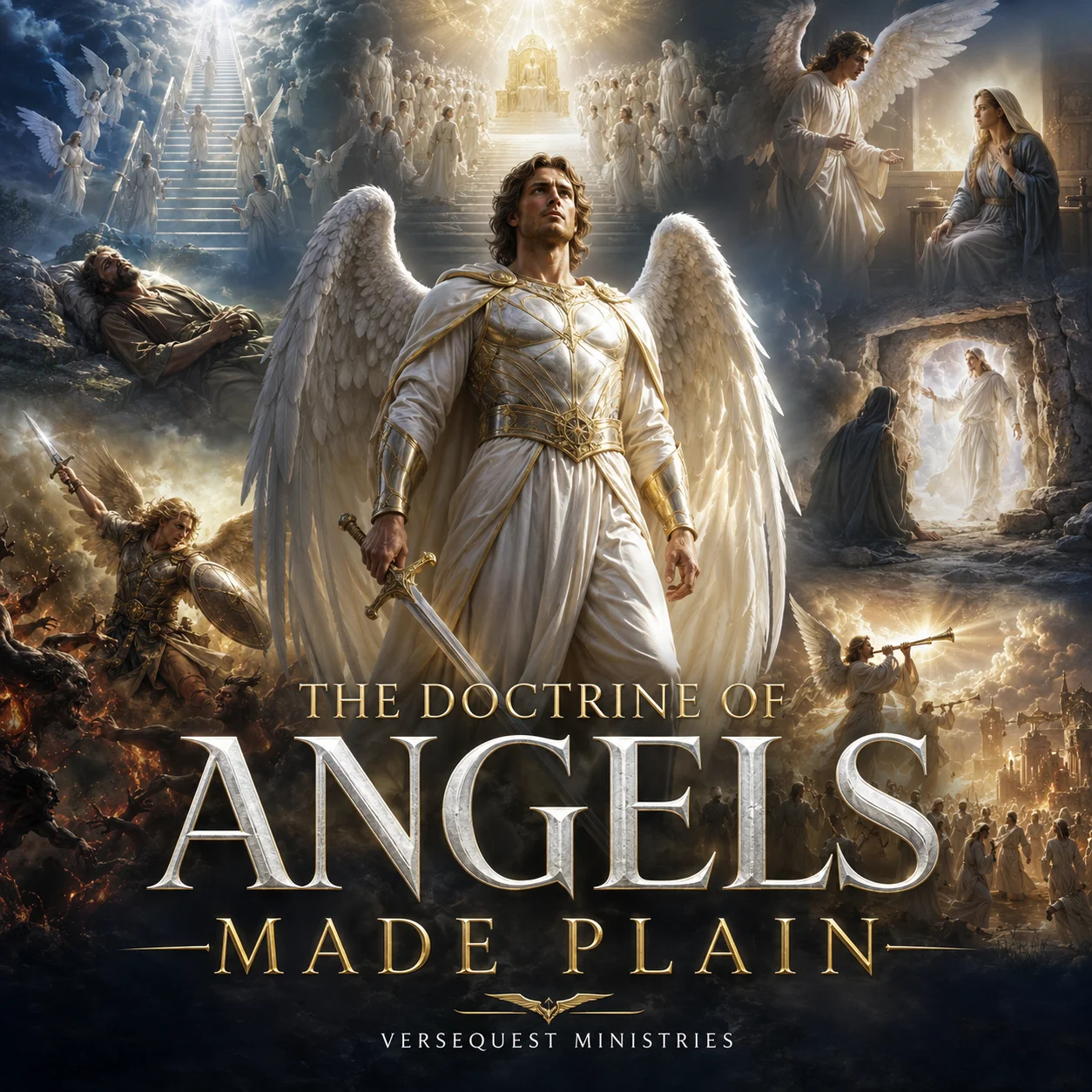
- The Doctrine of Angels Made Plain – 620-Page KJV Bible Study PDF
- The Doctrine of Angels Made Plain is a 620-page KJV Bible study that traces angels from Genesis to Revelation. This premium VerseQuest PDF explains holy angels, Christ’s supremacy over angels,…
- Original price was: $29.99.$9.99Current price is: $9.99.
- Add to cart
-
-67%
-
Chart Collections
-
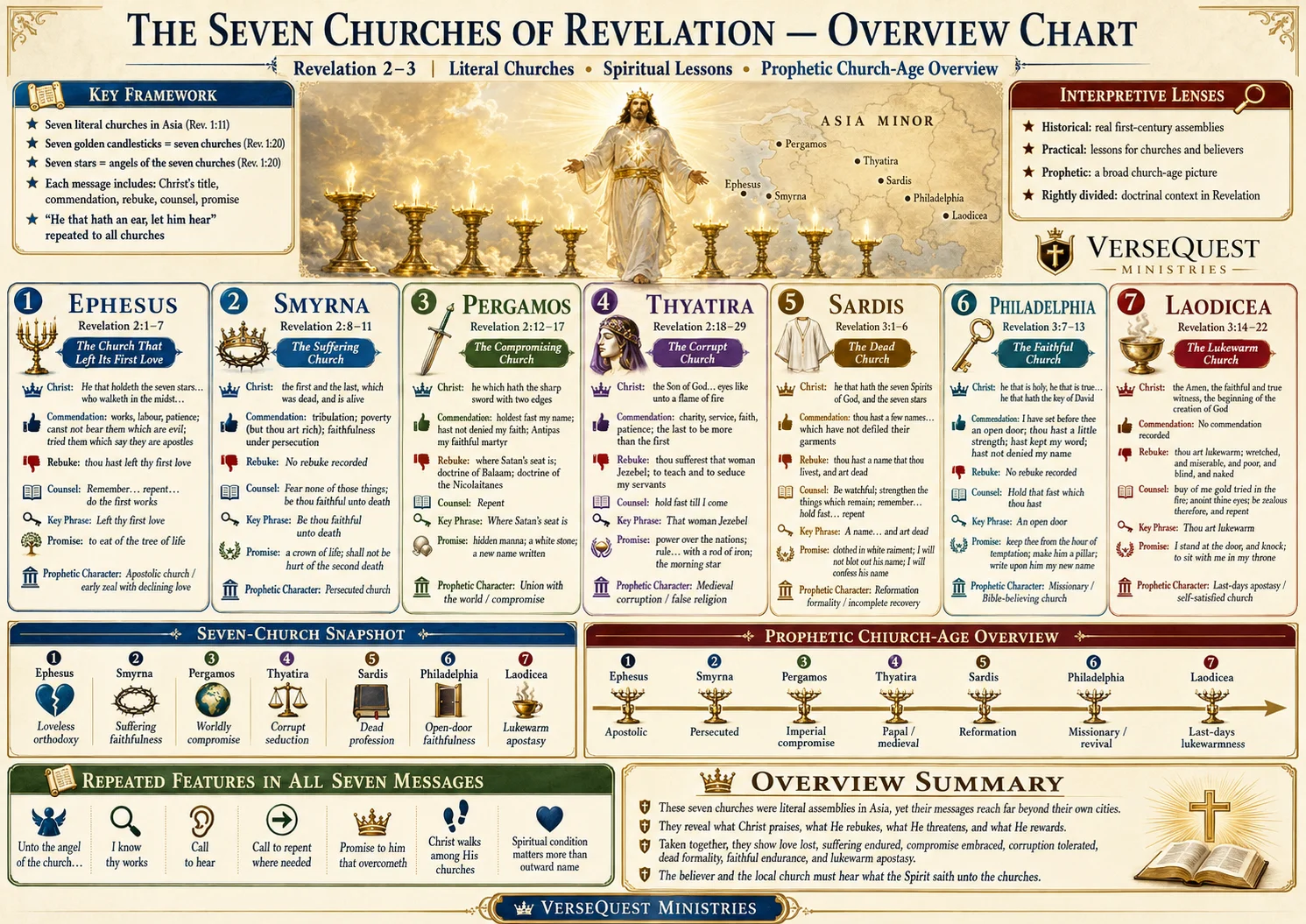
- The Seven Churches of Revelation Chart Collection – Christ Walking Among the Candlesticks
- A premium VerseQuest Ministries™ PDF chart collection covering the Seven Churches of Revelation in Revelation 2–3. Includes one overview chart plus individual KJV Bible study charts for Ephesus, Smyrna, Pergamos,…
- $12.99
- Add to cart
-
-
KJV Bible Study Resources
-
-60%
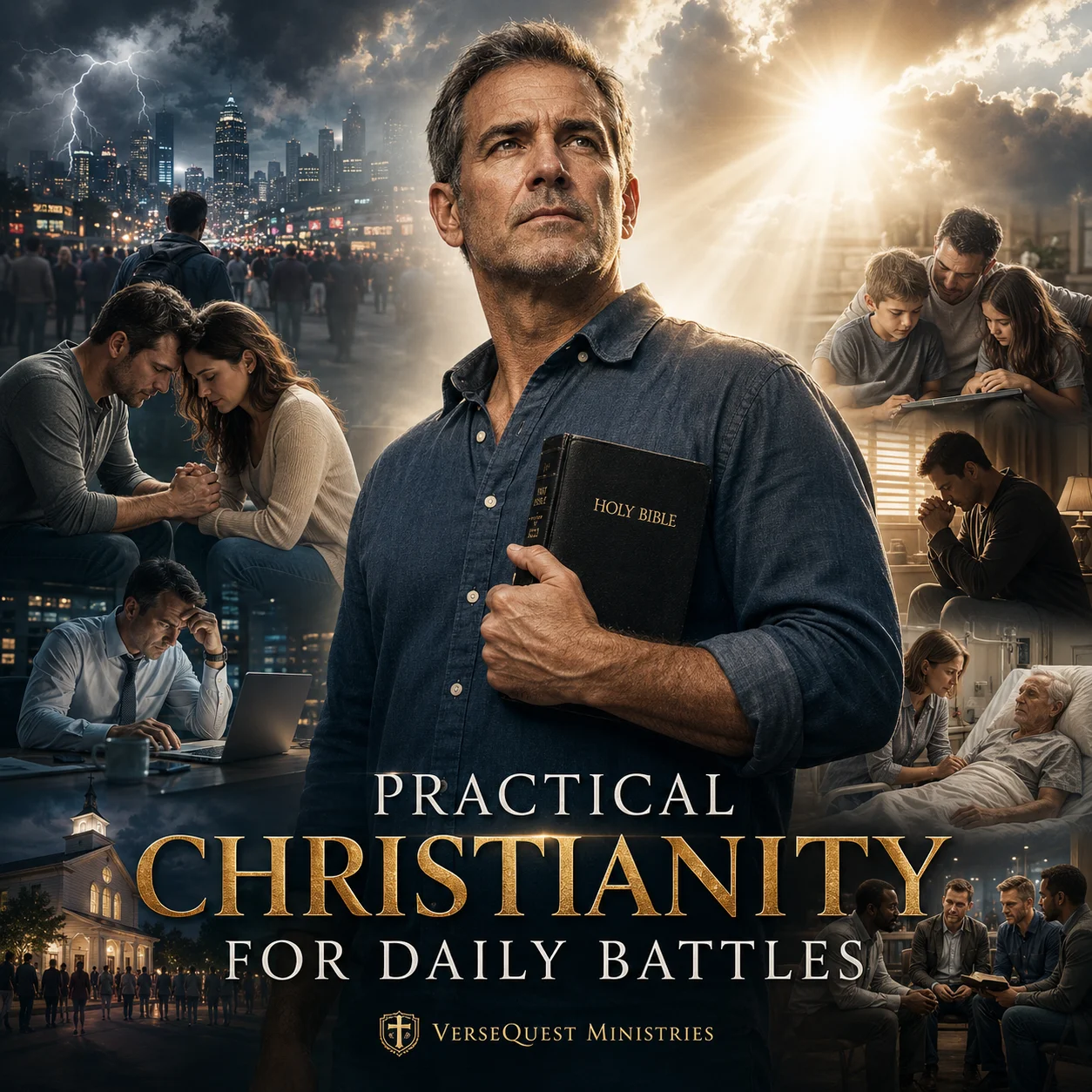
- Practical Christianity for Daily Battles – 329-Page KJV Study PDF
- A premium 329-page KJV study PDF with 40 full essays applying sound, rightly divided Bible doctrine to real daily Christian battles. Topics include temptation, anxiety, marriage, parenting, pornography, grief, church…
- Original price was: $24.99.$9.99Current price is: $9.99.
- Add to cart
-
-60%
-
Jesus Christ / Christology
-
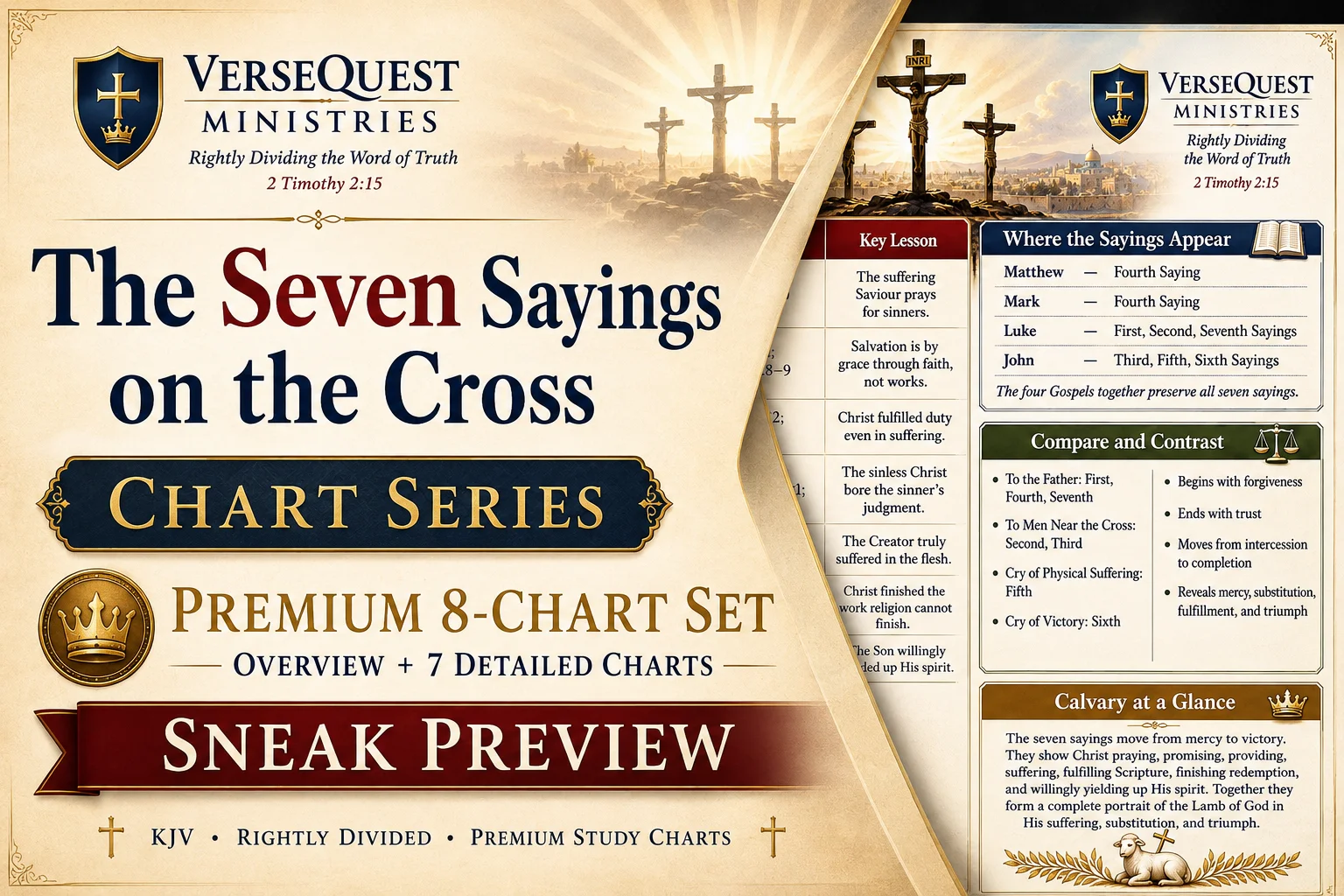
- The Seven Sayings on the Cross – Premium 8-Chart KJV Study Set
- A premium VerseQuest Ministries digital PDF study set on The Seven Sayings on the Cross, featuring an overview chart plus seven detailed KJV Bible study charts. This resource examines Calvary,…
- $12.99
- Add to cart
-
-
The Rapture
-
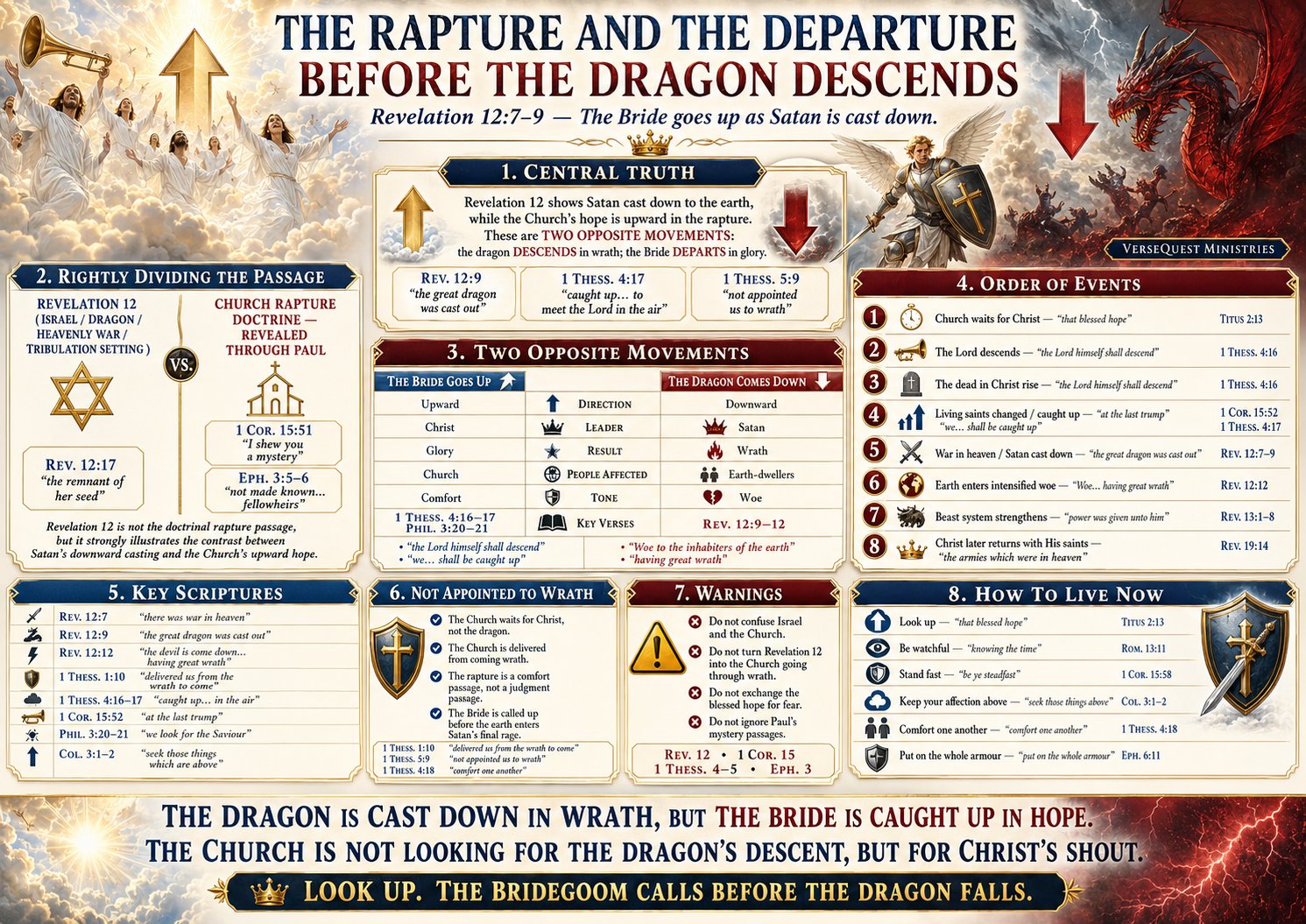
- The Rapture and the Departure Before the Dragon Descends – Printable Bible Study Chart
- Printable KJV Bible study chart on The Rapture and the Departure Before the Dragon Descends, showing the Bride caught up before Satan is cast down in wrath. This premium VerseQuest…
- $4.99
- Add to cart
-