Topic: spiritual watchfulness
-
November 13, 2026
Speaker: Paul Tackett
Topic: 1 Thessalonians 5 sermon outline, 1 Thessalonians 5:17, biblical prayer life, Christian Thanksgiving, continual dependence on God, Holy Spirit and prayer, in every thing give thanks, intercessory prayer for believers, KJV Sermon Outline, perseverance in prayer, pray without ceasing meaning, prayer according to God's will, Prayer Without Ceasing, praying for the lost, praying in the Spirit, rejoice evermore, rightly divided Bible teaching, salvation by grace through faith, spiritual watchfulness, unceasing Christian prayer
Book: 1 Thessalonians
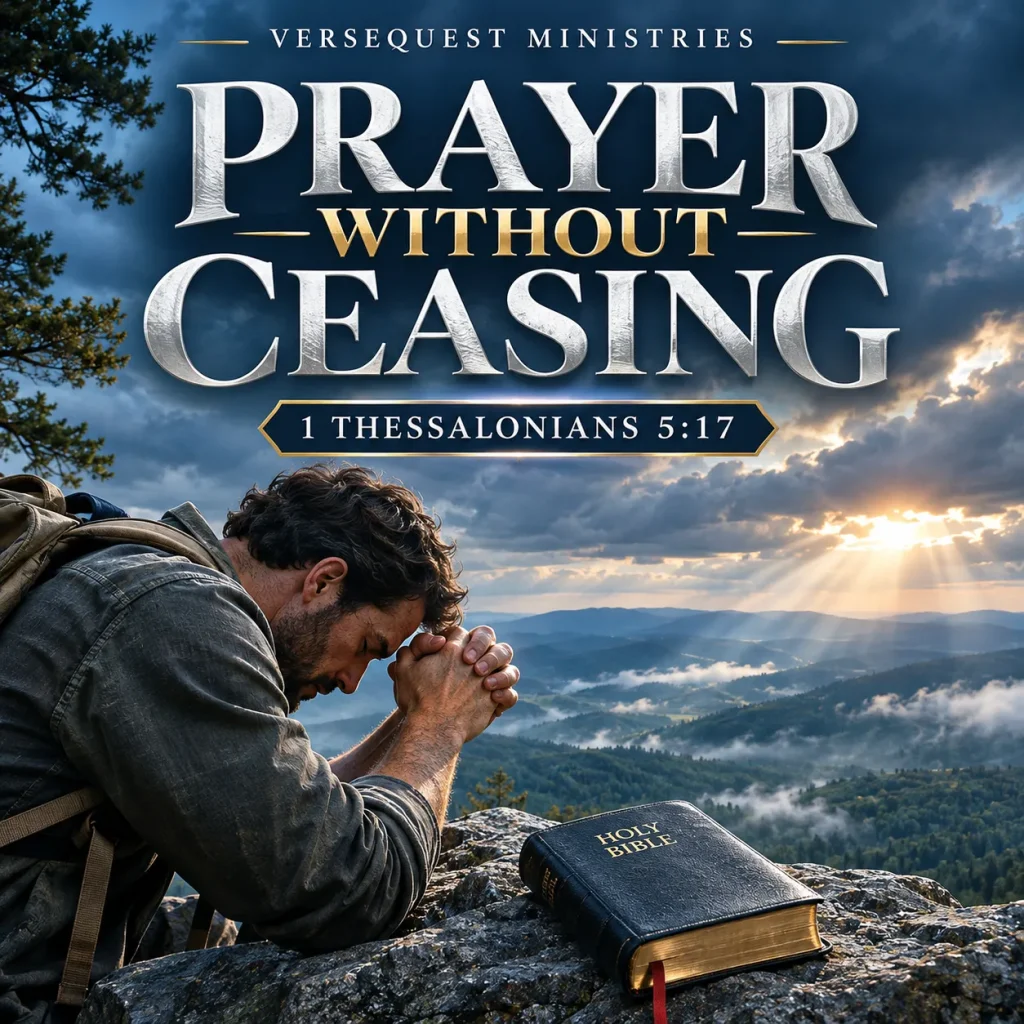
This detailed sermon outline examines 1 Thessalonians 5:17 and the Apostle Paul’s concise but far-reaching command, “Pray without ceasing,” revealing the believer’s responsibility to maintain continual dependence upon God throughout every circumstance and responsibility of the Christian life. The message carefully establishes the passage’s immediate context within 1 Thessalonians 5:16–24, where Paul commands believers to rejoice evermore, pray without ceasing, give thanks in every thing, quench not the Spirit, prove all things, hold fast that which is good, and trust the faithfulness of God in sanctification. It explains why unceasing prayer does not require Christians to speak religious words every moment of the day, abandon employment, neglect family responsibilities, or develop mechanical routines intended to earn divine approval. Instead, the sermon demonstrates how saved believers should cultivate a continuing pattern of communion with the Father through Jesus Christ while faithfully carrying out their ordinary responsibilities. Special attention is given to the relationship between rejoicing, thanksgiving, prayer, spiritual watchfulness, perseverance, and the believer’s confidence in the promised return of the Lord Jesus Christ. Drawing upon Romans 8, Ephesians 2 and 6, Philippians 4, Colossians 4, and other Pauline passages, the outline examines the believer’s access to the Father through Christ, the Holy Spirit’s assistance in prayer, and the importance of praying with understanding rather than depending upon religious emotionalism, vain repetitions, or supposedly extraordinary spiritual experiences. The sermon develops the responsibility to intercede for fellow believers, pastors, missionaries, those in authority, and lost sinners who need to hear and believe the gospel. It also addresses the necessity of perseverance when answers do not arrive according to human expectations, explaining why prayer must remain subject to God’s revealed will rather than becoming an attempt to command divine decisions or guarantee material prosperity. The message carefully distinguishes salvation by grace through faith in the finished work of Jesus Christ from the saved believer’s continuing responsibilities concerning prayer, holiness, sound doctrine, spiritual discernment, and faithful Christian service. Finally, the outline examines 1 Thessalonians 5:19–24, emphasizing why continual prayer should accompany walking in the Spirit, testing doctrine against Scripture, abstaining from evil, and trusting the faithfulness of the Lord. Preachers, pastors, teachers, and Bible students will gain a comprehensive, KJV-based, rightly divided, sermon-ready framework for teaching prayer without ceasing, biblical thanksgiving, Christian perseverance, intercessory prayer, spiritual watchfulness, sound doctrine, and the importance of remaining continually dependent upon God while living faithfully for Jesus Christ.
-
November 8, 2026
Speaker: Paul Tackett
Topic: access to the Father through Christ, biblical spiritual warfare, boldness in gospel preaching, Christian prayer life, Ephesians 6 sermon outline, Ephesians 6:18, Holy Spirit and prayer, intercession for all saints, KJV Sermon Outline, Paul ambassador in bonds, perseverance in prayer, prayer and supplication, prayer for fellow believers, praying always in the Spirit, Praying Always With All Prayer, praying without ceasing, rightly divided Bible study, salvation by grace through faith, spiritual watchfulness, whole armour of God
Book: Ephesians
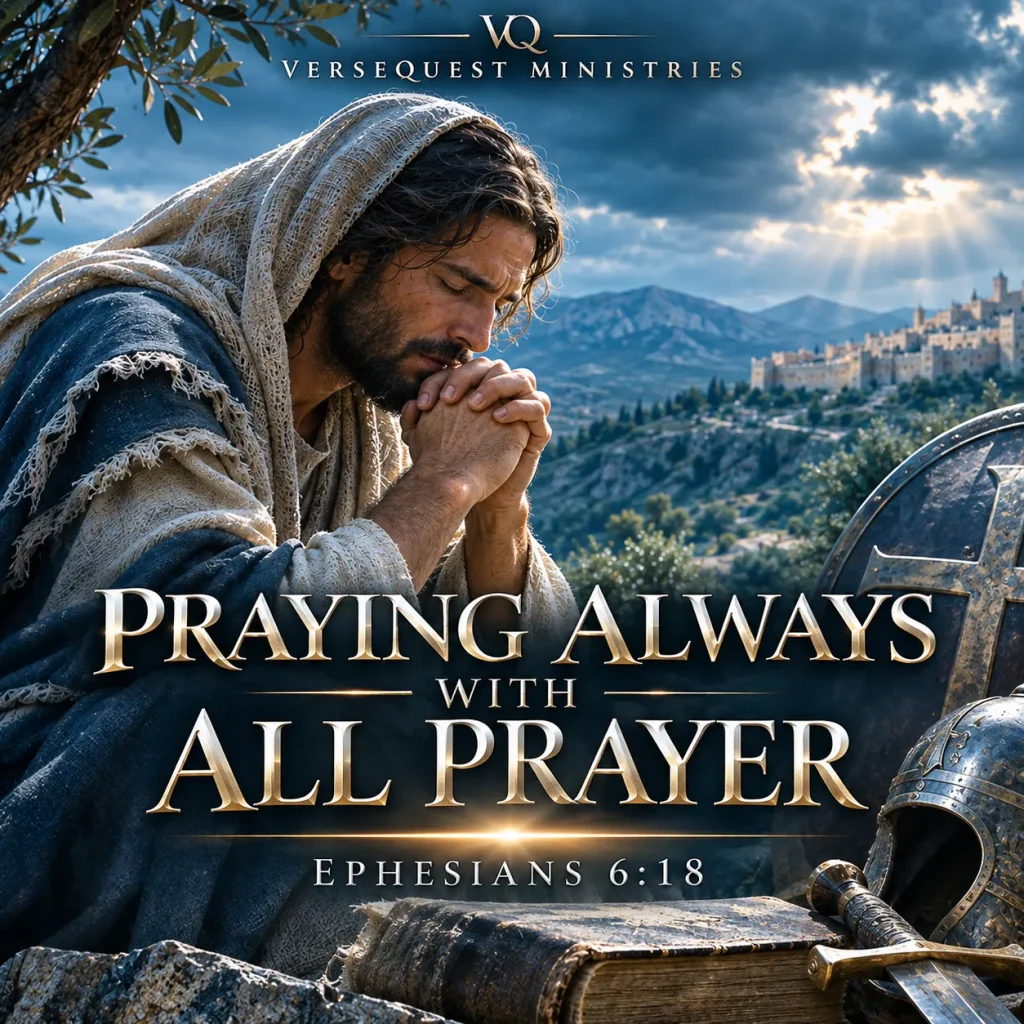
This detailed sermon outline examines Ephesians 6:18 and the Apostle Paul’s command, “Praying always with all prayer and supplication in the Spirit, and watching thereunto with all perseverance and supplication for all saints,” revealing the believer’s responsibility to maintain continual dependence upon God while standing faithfully in the whole armour of God. The message carefully establishes the passage’s immediate context within Ephesians 6:10–20, where Paul instructs saved believers to be strong in the Lord, stand against the wiles of the devil, and put on the spiritual armour provided through truth, righteousness, the gospel of peace, faith, salvation, and the word of God. It explains why prayer is inseparable from biblical spiritual warfare and why sound doctrine, religious activity, natural determination, and knowledge of Scripture must never become substitutes for dependence upon the Lord. Special attention is given to the expressions “praying always,” “all prayer and supplication,” “in the Spirit,” “watching thereunto,” “all perseverance,” and “supplication for all saints,” demonstrating how each contributes to a faithful Christian prayer life. The sermon examines the importance of praying without ceasing, distinguishing earnest supplication from mechanical religious repetition, remaining spiritually alert against temptation and doctrinal deception, and persevering when answers do not arrive according to human expectations. Drawing upon Romans 8, Philippians 4, Colossians 4, 1 Thessalonians 5, 1 Timothy 2, and other Pauline passages, the outline explains the Holy Spirit’s ministry in prayer, the believer’s access to the Father through Jesus Christ, and the necessity of submitting personal requests to God’s revealed will. It carefully distinguishes praying in the Spirit from claims concerning unintelligible ecstatic utterances, while rejecting the idea that persistence gives believers authority to manipulate God or demand earthly prosperity. The message also develops the responsibility to intercede for fellow Christians, pastors, missionaries, gospel workers, and suffering believers rather than limiting prayer to personal concerns. Special consideration is given to Ephesians 6:19–20, where Paul requests prayer for boldness to proclaim the mystery of the gospel while serving as an ambassador in bonds. Finally, the outline distinguishes salvation by grace through faith from the saved believer’s continuing responsibility to pray, remain watchful, and serve faithfully. Preachers, pastors, teachers, and Bible students will gain a comprehensive, KJV-based, rightly divided, sermon-ready framework for teaching Christian prayer, spiritual warfare, intercession, perseverance, doctrinal discernment, gospel boldness, and continual dependence upon Jesus Christ.
-

November 4, 2026
Series: Hebrews 2:1, The Danger of Spiritual Drift
Speaker: Paul Tackett
Topic: apostolic signs and wonders, Christian Perseverance, Christian spiritual growth, Eternal Security, give the more earnest heed, Hebrews 2 sermon outline, Hebrews 2:1, holding fast to Scripture, importance of Bible study, King James Bible preaching, KJV Sermon Outline, lest we let them slip, neglecting so great salvation, rightly divided Bible study, Sound Doctrine, spiritual negligence, spiritual watchfulness, superiority of Jesus Christ, The Danger of Spiritual Drift, warning against unbelief
Book: Hebrews
This detailed sermon outline examines Hebrews 2:1 and the solemn biblical warning, “Therefore we ought to give the more earnest heed to the things which we have heard, lest at any time we should let them slip,” revealing the danger of spiritual negligence, doctrinal instability, and gradually losing careful attention to divine revelation. The message establishes the passage’s original context within the Book of Hebrews, where the writer has demonstrated the supremacy of Jesus Christ over the angels, His divine authority, His finished work of purging sins, and His exaltation at the right hand of God. It explains why the opening word “Therefore” connects the warning directly to Christ’s superiority, why believers must give earnest attention to God’s revealed truth, and how spiritual drift can develop through continued indifference, neglected biblical instruction, worldly distractions, and increasing susceptibility to false doctrine. Special attention is given to Hebrews 2:1–4, including the warning against neglecting so great salvation, the difference between hearing the gospel and personally believing it, and the divine confirmation of Christ’s message through apostolic witnesses, signs, wonders, and miracles. The sermon carefully distinguishes the historical and doctrinal setting of Hebrews and its warnings concerning unbelief from the Church-Age believer’s eternal security through faith in Jesus Christ, avoiding the erroneous teaching that ordinary spiritual weakness or inconsistent Christian performance can undo the Saviour’s finished work. Drawing upon Hebrews 3–6, Hebrews 12, Ephesians 4, Colossians 2, 2 Timothy 2–3, and other New Testament passages, the outline develops the practical importance of sound doctrine, Scripture rightly divided, spiritual watchfulness, Christian perseverance, renewed thinking, and faithful obedience. It also examines why spiritual negligence can damage Christian growth, weaken biblical discernment, compromise one’s testimony, and waste valuable opportunities for service without invalidating the sufficiency of Christ’s redemption. Preachers, pastors, teachers, and Bible students will gain a comprehensive, KJV-based, rightly divided, sermon-ready framework for teaching the danger of spiritual drift, the authority of God’s Word, the seriousness of neglecting salvation, the preservation of sound doctrine, eternal security, and the importance of remaining firmly established in Jesus Christ rather than being carried away by the changing influences of the world.