Book: Romans
-
November 12, 2026
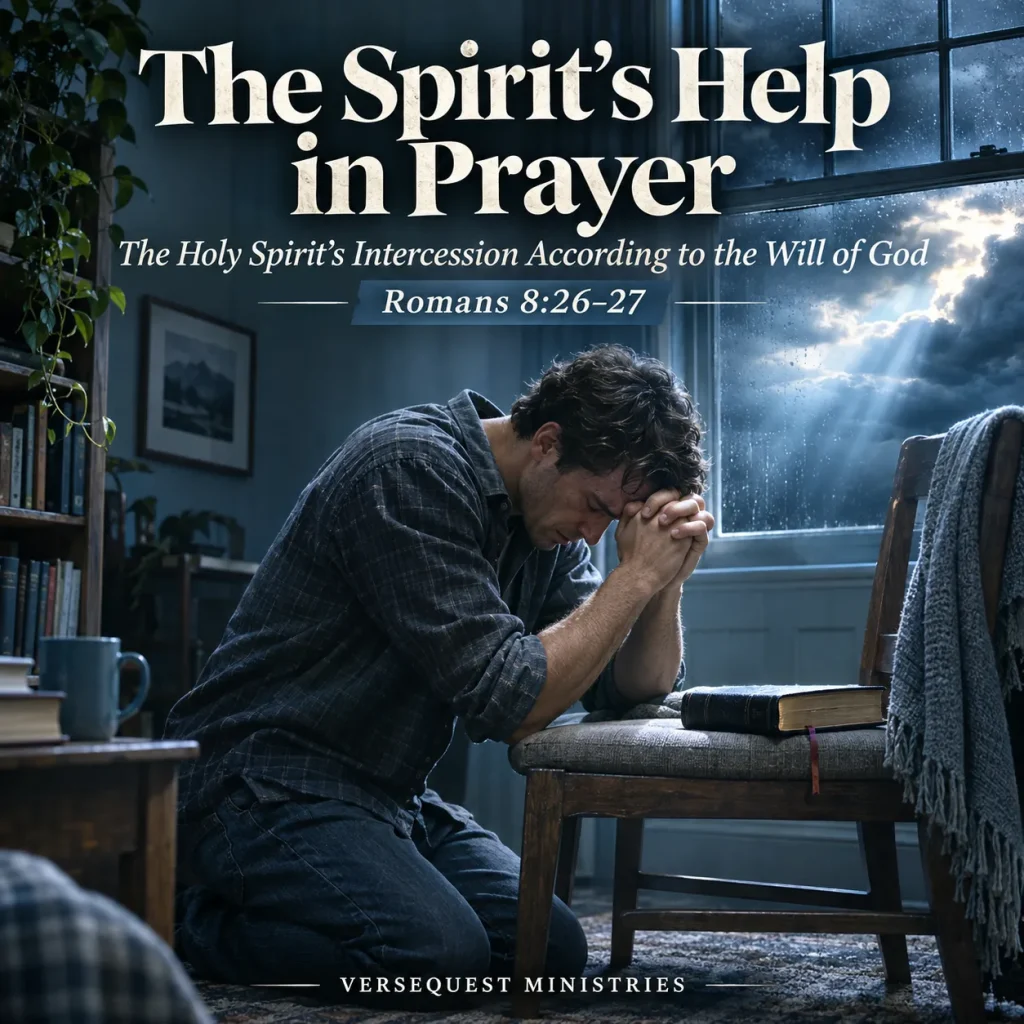
Series: Romans 8:26, The Spirit's Help in Prayer
Speaker: Paul Tackett
Topic: Christ's intercession Romans 8:34, Christian prayer and understanding, eternal security in Christ, groanings which cannot be uttered, Holy Spirit and prayer, Holy Spirit intercession, Indwelling Holy Spirit, intercession for the saints, KJV Sermon Outline, prayer in times of weakness, praying according to God’s will, rightly divided Bible teaching, Romans 8 Sermon Outline, Romans 8:26, Romans 8:26 and speaking in tongues, Romans 8:27, salvation by grace through faith, Spirit helpeth our infirmities, The Spirit's Help in Prayer, Walking in the Spirit
Book: Romans
This detailed sermon outline examines Romans 8:26 and the Apostle Paul’s remarkable declaration, “Likewise the Spirit also helpeth our infirmities: for we know not what we should pray for as we ought: but the Spirit itself maketh intercession for us with groanings which cannot be uttered,” revealing the divine assistance provided by the indwelling Holy Spirit when saved believers face weakness, suffering, uncertainty, and limitations in their understanding of prayer. The message carefully establishes the passage’s immediate context within Romans 8, where Paul explains the believer’s freedom from condemnation, the distinction between flesh and Spirit, the indwelling of the Holy Spirit, adoption into God’s family, present suffering, and the future redemption of the body. Special attention is given to the expressions “the Spirit also helpeth our infirmities,” “we know not what we should pray for as we ought,” and “groanings which cannot be uttered,” demonstrating why the believer’s limited knowledge does not prevent the Holy Spirit from providing divine help. The sermon examines Romans 8:22–27, distinguishing the groaning of creation, the believer’s longing for bodily redemption, and the Spirit’s unutterable intercession while explaining why this passage must not be misused to require Christians to speak in ecstatic or unintelligible prayer languages. Drawing upon Romans 8:27, the outline explores how the God who searches the hearts knows the mind of the Spirit and why the Spirit’s intercession operates according to the perfect will of God rather than the incomplete understanding or personal desires of the believer. The message also carefully distinguishes the Holy Spirit’s intercession within saved believers from the risen Lord Jesus Christ’s continuing intercession at the right hand of God in Romans 8:34, emphasizing Christ’s unique office as the one Mediator between God and men. Additional passages from Ephesians 1–2, Philippians 4, Colossians 4, 1 Thessalonians 5, and 1 Timothy 2 establish the believer’s responsibility to pray with understanding, thanksgiving, humility, perseverance, and scriptural discernment. The sermon further explains why the indwelling and sealing of the Holy Spirit occur upon believing the gospel, why salvation rests upon the finished work of Jesus Christ rather than extraordinary religious experiences, and how the certainty of God’s eternal purpose provides encouragement during suffering and unanswered requests. Preachers, pastors, teachers, and Bible students will gain a comprehensive, KJV-based, rightly divided, sermon-ready framework for teaching the Holy Spirit’s intercession, Christian prayer, human infirmities, the will of God, spiritual discernment, eternal security, and the believer’s continuing confidence in the Father, Son, and Holy Spirit.
-

October 23, 2026
Series: Romans 12:2, The Renewed Mind
Speaker: Paul Tackett
Topic: be not conformed to this world, biblical meditation, biblical thinking, Christian Sanctification, Christian thought life, Christian transformation, discernment and God’s will, King James Bible study, KJV Sermon Outline, mind of Christ, practical Christian living, renewing of your mind, renewing the mind with Scripture, rightly dividing the word, Romans 12:2, Romans 12:2 sermon outline, spiritual transformation, taking thoughts captive, The Renewed Mind, worldly conformity
Book: Romans
This detailed sermon outline examines Romans 12:2 and Paul’s command, “be not conformed to this world: but be ye transformed by the renewing of your mind,” showing that genuine Christian transformation reaches deeper than external behavior and begins with biblical thinking. The message explains why the natural and carnal mind cannot serve as the believer’s final authority, how the present world continually pressures Christians toward its values and assumptions, and why Scripture must replace worldly thinking with divine truth. It explores the word of God as the primary instrument of mental renewal, the responsibility to bring thoughts into obedience to Christ, and how a renewed mind changes the believer’s view of sin, self, other people, priorities, and daily decisions. The outline also emphasizes right division as essential to accurate biblical thinking and explains how renewed judgment enables Christians to discern and demonstrate “that good, and acceptable, and perfect, will of God.” Preachers, teachers, and Bible students will gain a sermon-ready framework for teaching spiritual transformation, biblical meditation, discernment, sanctification, thought life, right division, and practical Christian obedience.
-
October 20, 2026
Speaker: Paul Tackett
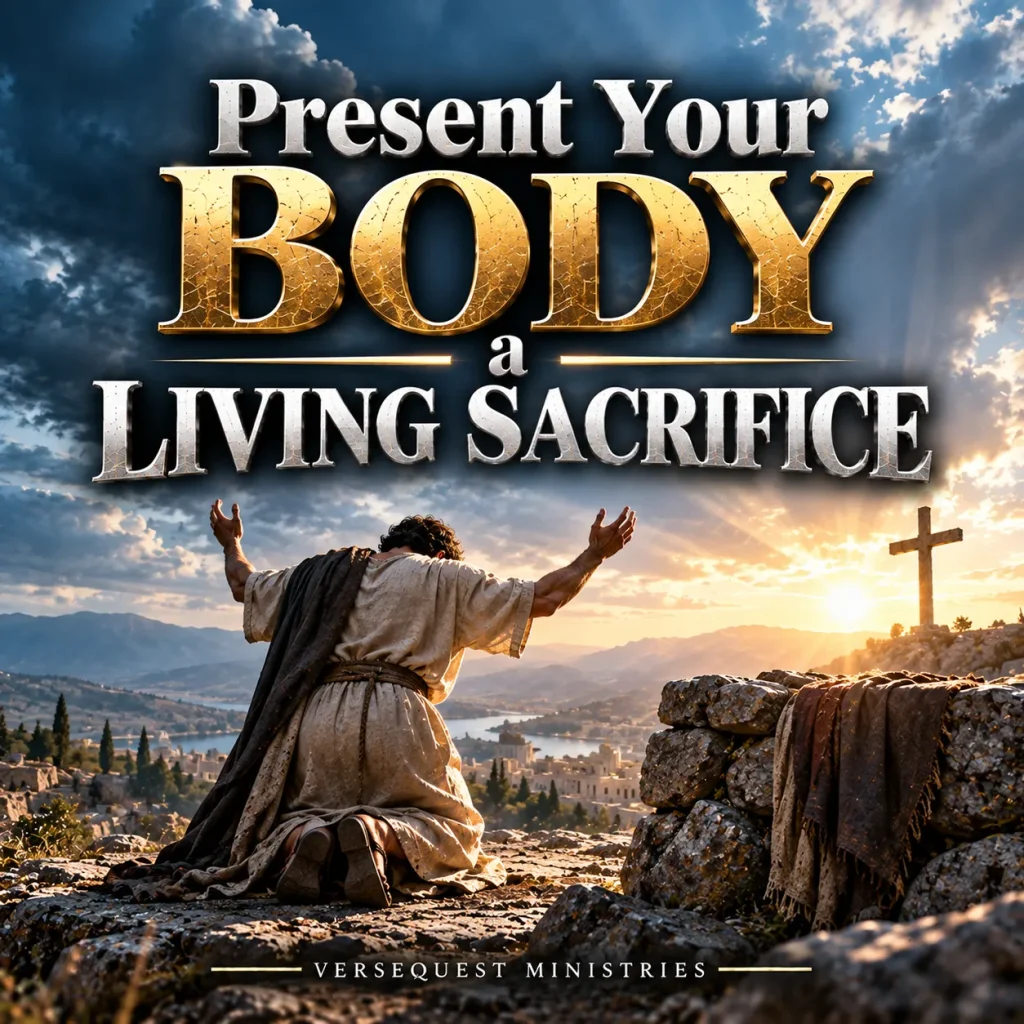
Topic: be not conformed to this world, biblical surrender, bodily stewardship, Christian consecration, Christian Sanctification, Christian separation, Christian transformation, grace and Christian service, King James Bible study, KJV Sermon Outline, living sacrifice sermon, mercies of God, practical Christian living, present your body a living sacrifice, presenting your body to God, reasonable service, renewing of the mind, Romans 12 sermon outline, Romans 12:1–2, will of God
Book: Romans
This detailed sermon outline examines Romans 12:1–2 and Paul’s appeal to believers to “present your bodies a living sacrifice, holy, acceptable unto God,” showing that Christian consecration is the reasonable response to the mercies of God rather than a means of earning or maintaining salvation. Beginning with Paul’s crucial “therefore,” the message connects Romans 12 with the doctrinal foundation established throughout Romans 1–11 and explains why grace, justification, security in Christ, and divine mercy must come before Christian service. It explores the believer’s responsibility to yield the physical body to God, the daily nature of being a living sacrifice, practical holiness, resistance to conformity with this present world, and transformation through the renewing of the mind. The outline also examines how a Scripture-renewed mind learns to discern and live the “good, and acceptable, and perfect, will of God,” while distinguishing biblical surrender from legalism, religious asceticism, and works-righteousness. Preachers, teachers, and Bible students will gain a sermon-ready framework for teaching consecration, grace, sanctification, renewed thinking, Christian separation, bodily stewardship, practical service, and a life surrendered to God.
-
October 8, 2026
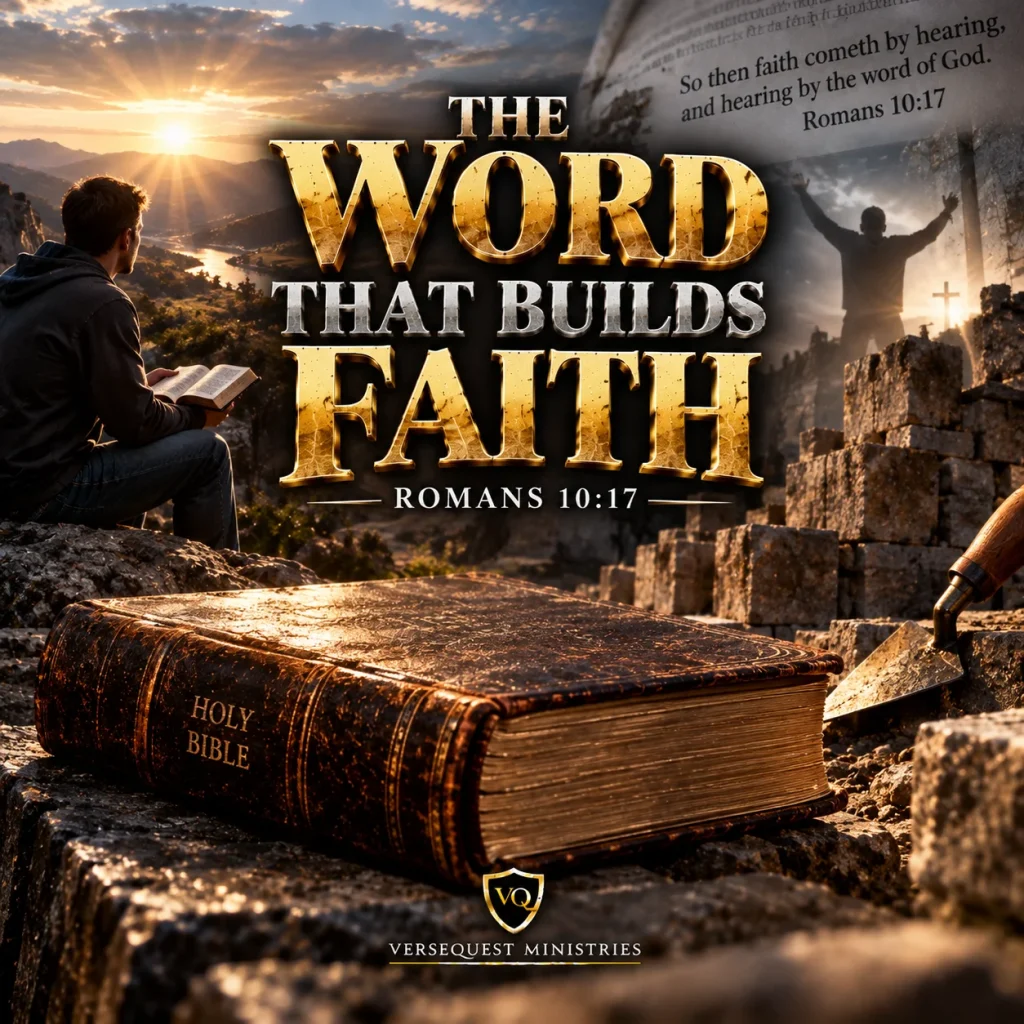
Series: Romans 10:17, The Word That Builds Faith
Speaker: Paul Tackett
Topic: Bible and faith, biblical faith, building Christian faith, Christian obedience, Christian spiritual growth, faith and Scripture, Faith Cometh by Hearing, faith versus feelings, gospel of Jesus Christ, Gospel Preaching, hearing by the word of God, King James Bible study, KJV Sermon Outline, Right Division, Romans 10:17, Romans 10:17 sermon outline, saving faith, Scripture builds faith, The Word That Builds Faith, word of God sermon
Book: Romans
This detailed sermon outline examines Romans 10:17 and Paul’s declaration, “So then faith cometh by hearing, and hearing by the word of God.” Beginning with the chapter’s immediate context of Israel’s unbelief, the necessity of preaching, and the responsibility to believe what God has revealed, the message explains that biblical faith is not positive thinking, emotional confidence, religious enthusiasm, or believing whatever a person wants God to do. True faith rests upon something God has actually said. The outline traces the relationship between hearing, preaching, and believing; identifies Christ’s death, burial, and resurrection as the gospel upon which saving faith rests today; and explains why hearing Scripture without receiving it by faith does not automatically produce obedience. It also shows how continued exposure to the word strengthens believers, why emotional atmosphere cannot substitute for biblical truth, how right division prevents faith from being built upon misapplied passages, and how Scripture corrects false beliefs and produces an obedient walk. Preachers, teachers, and Bible students will gain a sermon-ready framework for teaching saving faith, Christian growth, gospel preaching, biblical authority, right division, and the practical necessity of continually hearing, studying, believing, and obeying the word of God.
-
September 17, 2026
Speaker: Paul Tackett
Topic: assurance in suffering, biblical doctrine of prayer, Christ’s intercession, Christian prayer sermon, Gospel of Grace, groanings which cannot be uttered, help for our infirmities, Holy Spirit and prayer, Holy Spirit intercession, Indwelling Holy Spirit, KJV Sermon Outline, prayer in weakness, praying according to God’s will, rightly divided Bible teaching, Romans 8 Bible study, Romans 8:26–27, saints in Christ, Spirit’s intercession for the saints, the will of God, when believers cannot pray
Book: Romans
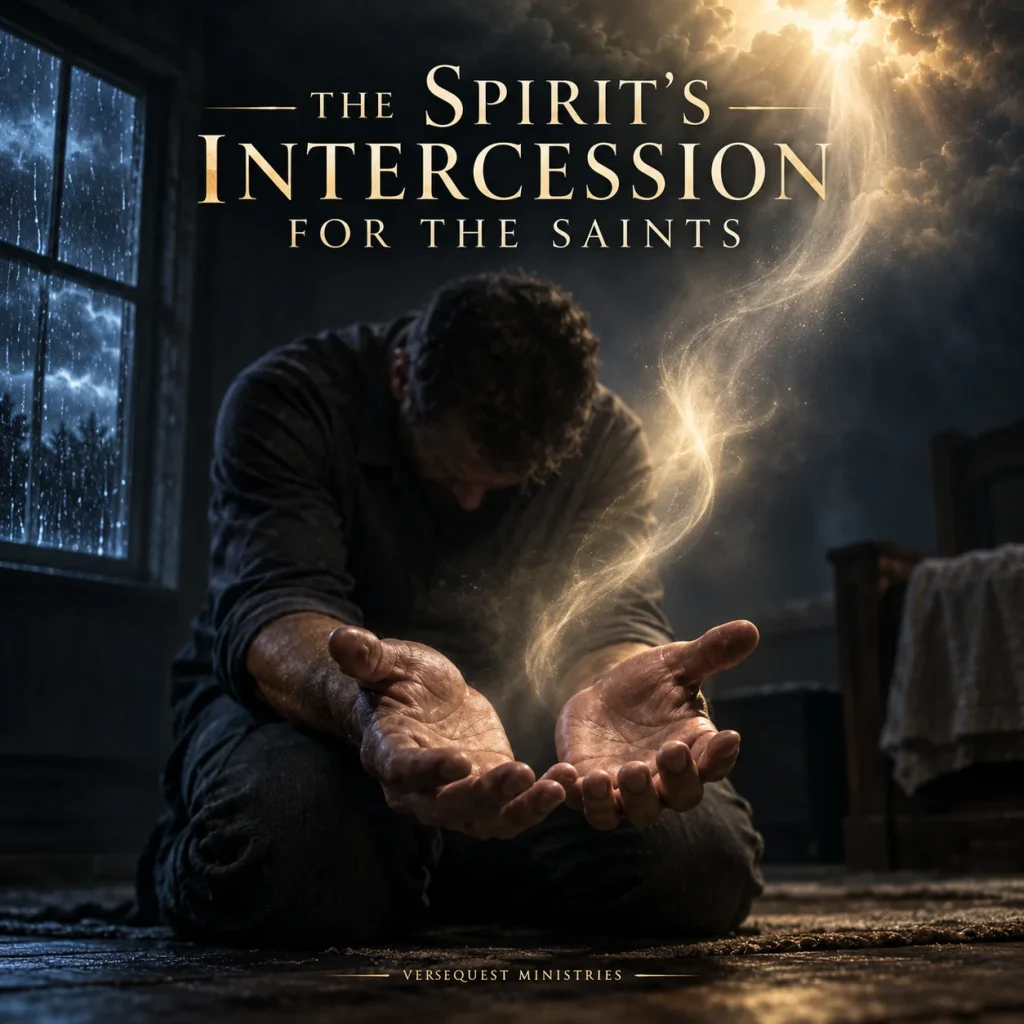
This detailed KJV sermon outline examines Romans 8:26–27 and the Holy Spirit’s intercession for believers during weakness, suffering, and uncertainty in prayer. It explains how the Spirit helps our infirmities, why even mature Christians do not always know what they should pray for, and what Scripture means by “groanings which cannot be uttered.” The outline distinguishes this silent intercession from ecstatic speech, explores God’s perfect knowledge of the heart, and shows how the Spirit presents every need according to the will of God. It also connects the Spirit’s intercession within the believer with Christ’s intercession at the right hand of God. Preachers, teachers, and Bible students will gain a sermon-ready treatment of prayer, divine help, submission to God’s will, assurance during suffering, and the privileges possessed by every saint in Jesus Christ.
-
September 16, 2026
Speaker: Paul Tackett
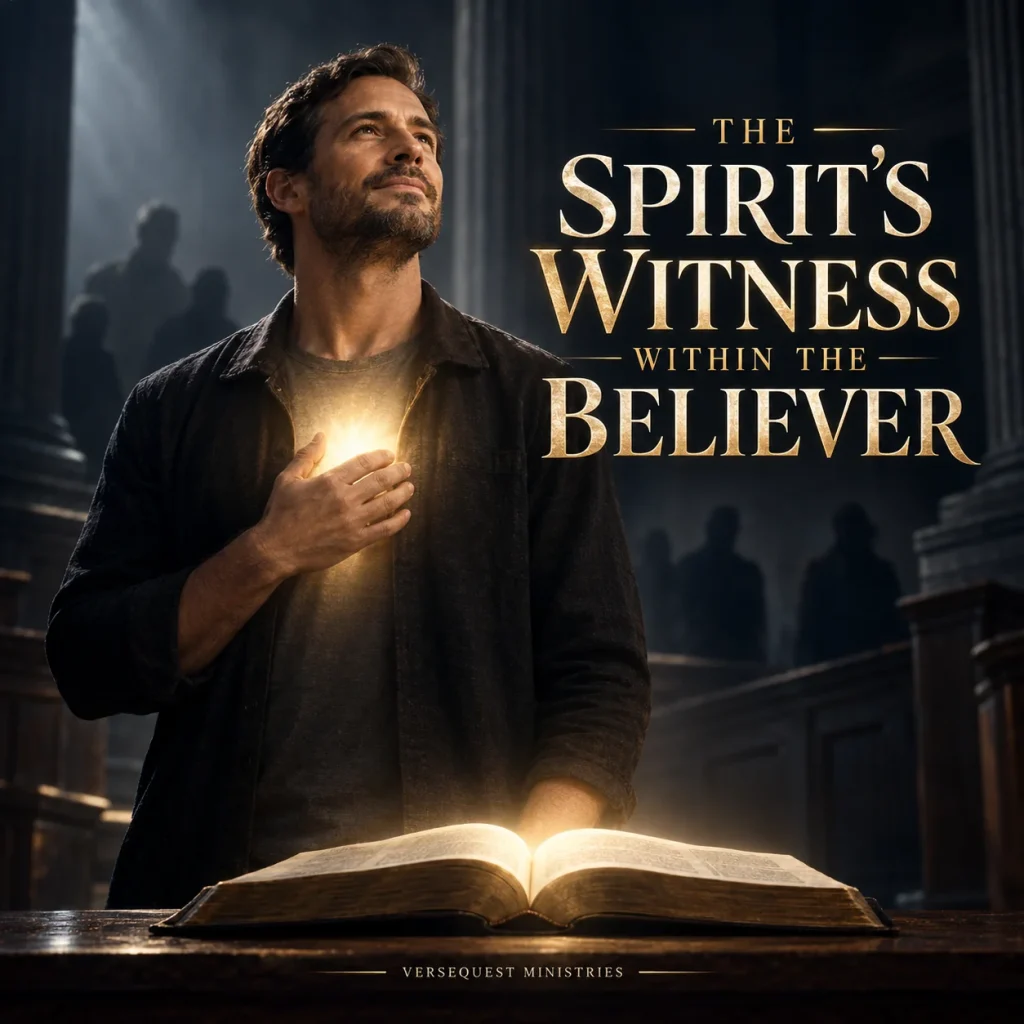
Topic: Abba Father, Assurance of Salvation, Biblical Assurance, Children of God, Christian assurance sermon, eternal inheritance, Eternal Security, faith over feelings, Gospel of Grace, Holy Spirit Sermon Outline, Indwelling Holy Spirit, KJV Sermon Outline, rightly divided Bible teaching, Romans 8 Bible study, Romans 8:16, Sealed by the Holy Spirit, Spirit of Adoption, Spirit’s witness within the believer, witness of the Spirit, written record of God
Book: Romans
This detailed KJV sermon outline examines Romans 8:16 and the Holy Spirit’s inward witness that born-again believers are the children of God. It explains how this witness begins with the Spirit’s indwelling presence, agrees with God’s written record, confirms the believer’s adoption, and provides assurance that rests upon Jesus Christ rather than changing emotions or religious performance. The outline also addresses the believer’s confidence before the Father, the difference between biblical assurance and mystical impressions, the sealing of the Holy Spirit, and the eternal inheritance promised to every redeemed child of God. Preachers, teachers, and Bible students will gain a sermon-ready framework for teaching eternal security, the Spirit of adoption, faith over feelings, and the certainty of salvation through the finished work of Jesus Christ.
-

September 15, 2026
Series: Led by the Spirit, Sons of God
Speaker: Paul Tackett
Topic: Abba Father, Assurance of Salvation, Children of God, Christian Sonship, Heirs of God, Holy Spirit Guidance, Joint Heirs With Christ, KJV Sermon Outline, Led by the Spirit, Mortify the Flesh, Pauline Doctrine, Rightly Dividing, Romans 8 Sermon Outline, Romans 8:14, Sons of God, Spirit Led Christian, Spirit of Adoption, Spirit of God, Spiritual Discernment, Walking in the Spirit
Book: Romans
This VerseQuest Ministries sermon outline on Romans 8:14 examines Paul’s declaration, “For as many as are led by the Spirit of God, they are the sons of God,” within the great doctrinal progression of Romans 8. The outline connects the Spirit’s leading with the believer’s secure family standing in Christ, the Spirit of adoption, the cry of “Abba, Father,” the Spirit’s witness that believers are the children of God, and their position as heirs of God and joint-heirs with Christ. It distinguishes genuine biblical Spirit-leading from emotional impulses, private revelation, mystical impressions, and fleshly desire, showing that the Holy Ghost leads consistently with the word He inspired and toward holiness rather than carnality. The sermon also addresses the conflict between flesh and Spirit, mortifying the deeds of the body, freedom from the spirit of bondage and fear, suffering with Christ, future glorification, and the practical conduct expected of those who belong to God’s family. Preachers, teachers, and Bible students will gain a strong KJV-based framework for teaching sonship, adoption, assurance, spiritual discernment, Spirit-controlled living, and the believer’s identity and inheritance in Jesus Christ.
-
September 7, 2026
Series: Grace Greater Than Failure, Romans 5:20
Speaker: Paul Tackett
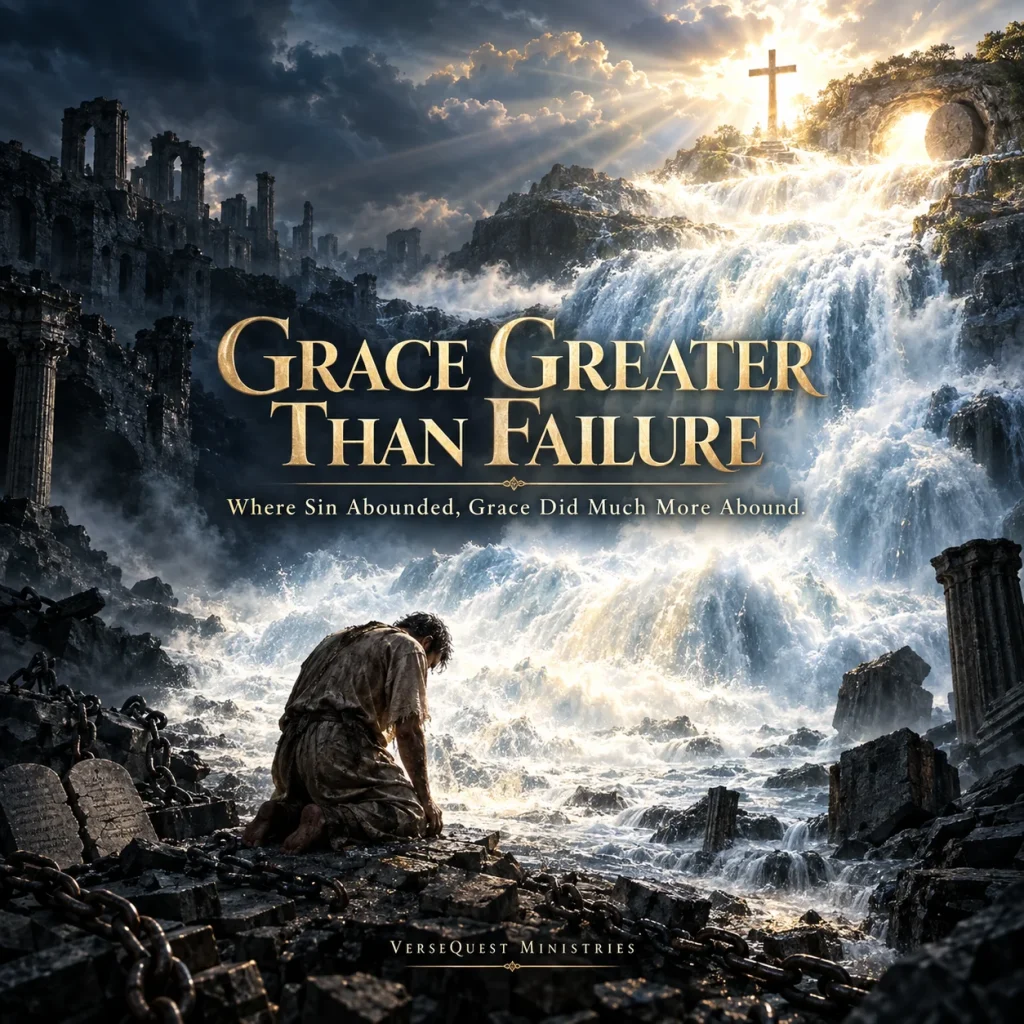
Topic: Abounding Grace, Adam and Christ, Bible Study Resources, Chastening Not Condemnation, Christian Holiness, Confession and Restoration, Eternal Security, Finished Work of Christ, Gospel of Grace, Grace Greater Than Failure, Grace of God, Justification by Faith, KJV Sermon Outline, Law and Grace, Restoration After Failure, Rightly Dividing, Romans 5 Sermon Outline, Romans 5:20, Standing and State, Where Sin Abounded Grace Did Much More Abound
Book: Romans
This VerseQuest Ministries sermon outline on Romans 5:20 explores Paul’s powerful declaration that “where sin abounded, grace did much more abound.” The outline traces human failure back to Adam, explains how the law exposes sin without possessing power to justify, and contrasts Adam’s ruin with the “much more” grace provided through Jesus Christ. It shows that grace reigns through righteousness because Christ fully answered the sinner’s guilt through His death, burial, and resurrection. The sermon also addresses failure after salvation, distinguishing the believer’s secure standing from his changing practical state, confession and restoration from re-salvation, and fatherly chastening from eternal condemnation. It carefully rejects the misuse of grace as permission to continue in sin while showing how genuine grace produces gratitude, holiness, service, and devotion to Christ. Preachers, teachers, and Bible students will gain a strong KJV-based framework for preaching hope to the guilty and fallen without weakening either the seriousness of sin or the sufficiency of Jesus Christ.
-
September 5, 2026
Series: Assurance Built on Scripture, Romans 10:17
Speaker: Paul Tackett
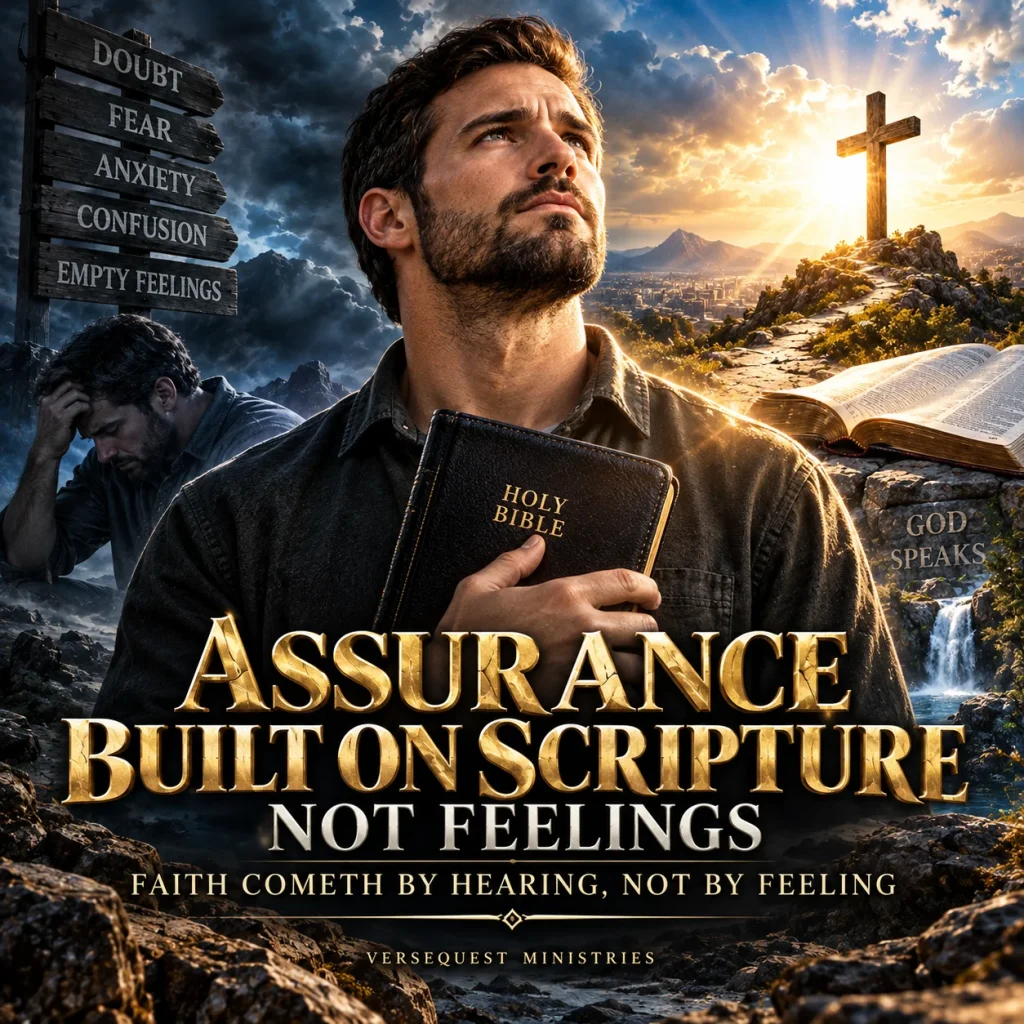
Topic: Assurance Built on Scripture, Assurance Not Feelings, Assurance of Salvation, Bible Study Resources, Biblical Assurance, Conviction and Chastening, Doubt and Assurance, Eternal Security, Faith Cometh by Hearing, Faith in Jesus Christ, Finished Work of Christ, Gospel of Grace, Holy Spirit Seal, KJV Sermon Outline, No Condemnation in Christ, Rightly Dividing, Romans 10:17, Scripture Over Feelings, Standing and State, Word of God
Book: Romans
This VerseQuest Ministries sermon outline on Romans 10:17 explains why biblical faith and assurance must rest upon the written Word of God rather than changing feelings, emotions, circumstances, memories, or religious experiences. Built around the truth that “faith cometh by hearing, and hearing by the word of God,” the outline connects Scripture-based assurance with the gospel of Christ’s death, burial, and resurrection, justification by faith, the believer’s standing in grace, eternal life as a present possession, and the Holy Spirit’s seal unto the day of redemption. It carefully distinguishes standing from state, conviction and chastening from condemnation, biblical assurance from presumption, and objective truth from subjective experience. Preachers, teachers, and Bible students will gain a strong KJV-based framework for helping doubting believers answer fear with Scripture, understand their position in Christ, and build a stable Christian walk upon what God has written rather than upon how they happen to feel.