
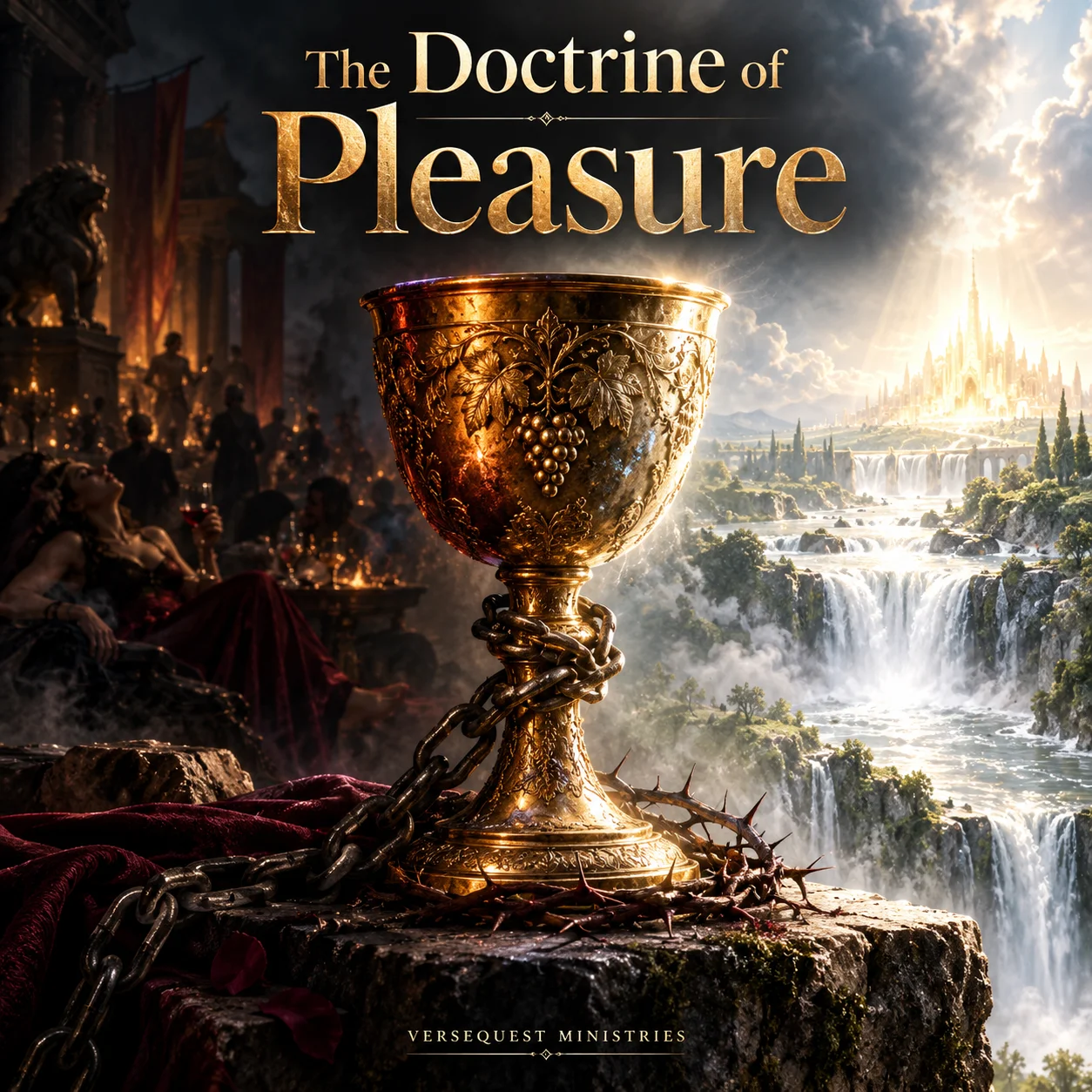
The Doctrine of Pleasure – 40-Part KJV Bible Study PDF Book
The Doctrine of Pleasure is a 267-page downloadable KJV Bible study PDF examining what God takes pleasure in, what He rejects, and what man’s pleasures reveal about the heart. This 40-part study traces pleasure through Scripture, from creation and worship to sinful pleasure, religious hypocrisy, last-days apostasy, sanctification, and eternal joy.
This digital book includes an introduction, forty full essays, a conclusion, and a detailed series chart at the end. It is designed for serious Bible students, pastors, teachers, families, discipleship groups, and anyone who wants a strong, Scripture-centered study on lawful enjoyment, sinful appetite, holiness, Christ, and pleasures for evermore.
$19.99
Description
The Doctrine of Pleasure is a 267-page downloadable PDF Bible study book examining one of the most revealing subjects in Scripture: what God takes pleasure in, what God refuses to take pleasure in, and what man’s pleasures expose about the heart. This 40-part VerseQuest study follows the word pleasure through the King James Bible with strong doctrinal clarity, practical force, and a serious warning against the modern idea that life exists for man’s appetite, entertainment, comfort, and self-will.
This book begins with the throne-room truth of Revelation 4:11: all things were created for God’s pleasure. From there, the study moves through creation, uprightness, fear of the Lord, God’s delight in His people, the danger of fools, polluted worship, lawful pleasure, sinful pleasure, old age, religious hypocrisy, political compromise, last-days pleasure lovers, divers lusts, the pleasures of sin for a season, and the eternal pleasures found at God’s right hand. The result is a full Bible study on pleasure as a spiritual measuring rod, not a shallow emotional subject.
This resource is written for Bible students, pastors, teachers, preachers, Sunday school teachers, families, homeschool settings, discipleship groups, and serious readers who want more than surface-level devotional thoughts. It shows that pleasure is never neutral once it becomes a master. What a person enjoys, excuses, protects, follows, laughs at, funds, and defends often reveals where the heart has built its altar. The book presses the reader to ask whether his pleasures are governed by Scripture, surrendered to Christ, or quietly ruling the life from the shadows.
The study also carefully distinguishes lawful pleasure from sinful pleasure. The Bible does not teach that every pleasure is wicked. God made taste, beauty, marriage, fellowship, laughter, music, fruitfulness, rest, and clean enjoyment. But fallen man corrupts God’s gifts when he drags them away from God’s authority and crowns them as idols. This book exposes the cruelty of living for what cannot last, while pointing the reader to the better pleasure found in God’s presence, where there is fulness of joy and pleasures for evermore.
This downloadable PDF book includes an introduction, forty full essays, a conclusion, and a detailed series chart at the end. At 267 pages, it is designed for extended Bible study, teaching preparation, topical preaching, family reading, discipleship, and repeated reference. The product price is $19.99.
God’s pleasure as the original purpose of creation. Pleasure as a spiritual test of the heart. The difference between lawful pleasure and sinful pleasure. The danger of making pleasure a master instead of a servant. God’s delight in uprightness, fear, mercy, meekness, and His people. God’s refusal to take pleasure in wickedness, fools, polluted worship, and backsliding. The vanity of pleasure under the sun when God is not feared. The seasonal nature of sin’s pleasures. The cruelty of wasting youth on pleasures that cannot last. Religious hypocrisy that hides self-pleasure beneath fasting, sacrifice, and holy language. Political pleasure and the cowardice of pleasing crowds instead of obeying truth. The last-days condition of men who love pleasures more than God. Divers lusts and pleasures as bondage before salvation. Christ as the One in whom the Father is well pleased. The finished work of Christ as the only sacrifice that satisfies God. Sanctification as God working in the believer’s will and obedience. The difference between earthly pleasure that fades and eternal pleasure that remains. The river of God’s pleasures versus the mud puddles of the world. The relationship between pleasure, worship, appetite, conscience, and judgment. The final restoration of pleasure under God’s throne and glory.
The central argument of The Doctrine of Pleasure is that pleasure belongs first to God. Revelation 4:11 establishes that all things were created for His pleasure, which means man’s pleasures must be judged by God’s purpose, not by appetite, culture, emotion, or convenience.
The book shows that Scripture does not condemn all pleasure. God made clean enjoyment, lawful satisfaction, and holy delight. The issue is whether pleasure remains under God’s authority or becomes an idol.
A major distinction in the study is between pleasure as a gift and pleasure as a ruler. When pleasure is received lawfully with thanksgiving, it can be clean. When pleasure rules the will, excuses sin, dulls conscience, or replaces obedience, it becomes spiritual danger.
The study repeatedly contrasts temporary pleasure with eternal pleasure. Hebrews 11:25 identifies the pleasures of sin as seasonal, while Psalm 16:11 identifies God’s pleasures as eternal.
The Old Testament sections show pleasure in creation, worship, law, wisdom, youth, old age, Israel’s covenant life, prophetic warning, judgment, and hypocrisy. These passages must be handled in their proper setting without confusing Israel’s national covenant context with the Church.
The New Testament sections show pleasure in relation to Gentile corruption, political compromise, last-days apostasy, the believer’s former bondage, practical sanctification, the finished work of Christ, and eternal hope.
One of the strongest practical observations in the book is that pleasure reveals worship. What a person enjoys, excuses, protects, follows, laughs at, funds, and defends often tells the truth about the heart before words do.
The book warns that sinful pleasure does not usually present itself honestly. It offers the bait, not the hook; the party, not the bill; the thrill, not the judgment. Sin’s pleasure is real, but it is also temporary and destructive.
Another key teaching point is that religious activity can be polluted by self-pleasure. Fasting, sacrifice, vows, Sabbaths, and public religion can become corrupt when the heart is not upright before God.
The study concludes that Christ is the center of God’s pleasure. The Father is well pleased in the Son, the pleasure of the Lord prospers in His hand, and the once-for-all sacrifice of Christ satisfies what the sacrifices of the law could never finally accomplish.
Further study questions include: What pleasures are lawful but need boundaries? What pleasures have become idols? What does God take pleasure in? What does God refuse to take pleasure in? How does salvation change a believer’s appetite? How should the fear of God reshape entertainment, worship, family life, and daily choices?
This resource can be used for personal Bible study by reading one essay at a time and tracing the related passages in the King James Bible. Because the book contains forty essays, it works well as a forty-day study, a weekly topical study, or a long-form doctrinal reading plan.
Pastors and preachers can use this book for sermon preparation on holiness, Christian liberty, pleasure, worldliness, youth, old age, worship, hypocrisy, last-days apostasy, sanctification, and the Christian life. The series provides multiple angles for preaching because it follows pleasure through both Testaments and applies the doctrine to the heart, the home, the church, and the age.
Sunday school teachers and Bible teachers can use the essays as lesson foundations, especially for classes dealing with practical holiness, spiritual discernment, the fear of God, lawful enjoyment, temptation, entertainment, and the difference between temporary pleasure and eternal joy.
Families can use the book for serious devotional reading and discussion, particularly with older children and teens. Ecclesiastes 12:1, Hebrews 11:25, Romans 1:32, 2 Timothy 3:4, and Titus 3:3 provide strong discussion points about youth, entertainment, peer approval, sinful pleasure, and remembering the Creator early in life.
Small groups and discipleship settings can use the study to examine personal appetites, habits, media choices, entertainment, priorities, and spiritual fruit. The book is especially useful for asking hard questions about what the heart enjoys and whether those pleasures are submitted to Scripture.
Homeschool and classroom settings can use selected essays to teach topical Bible doctrine, practical Christian living, and KJV cross-reference study. The included chart at the end gives a visual overview that can help summarize the doctrine after the essays have been studied.
The King James Bible should remain the primary study source, especially the passages listed in the Related Scriptures section.
A good Bible concordance can help trace the word pleasure and related words such as delight, joy, lusts, vanity, fear, uprightness, and will through Scripture.
A cross-reference Bible can help connect the major doctrinal threads in the book, especially creation, fear of God, sacrifice, holiness, sanctification, last-days apostasy, and eternal joy.
Bible maps and historical reference helps may assist with Old Testament settings such as Israel, Moab, Babylon, Jerusalem, and the prophetic contexts in Isaiah, Jeremiah, and Ezekiel.
A topical Bible can help group passages related to temptation, holiness, joy, worldliness, worship, the fear of God, and the Christian walk.
The series chart included at the end of this PDF is a useful companion reference for reviewing the major categories, contrasts, and teaching points in the study.
Related VerseQuest studies on law and grace, practical holiness, Romans, Hebrews, Revelation, Satan’s devices, and rightly divided Bible doctrine would naturally complement this book where available.
Related products
-
Uncategorized
-
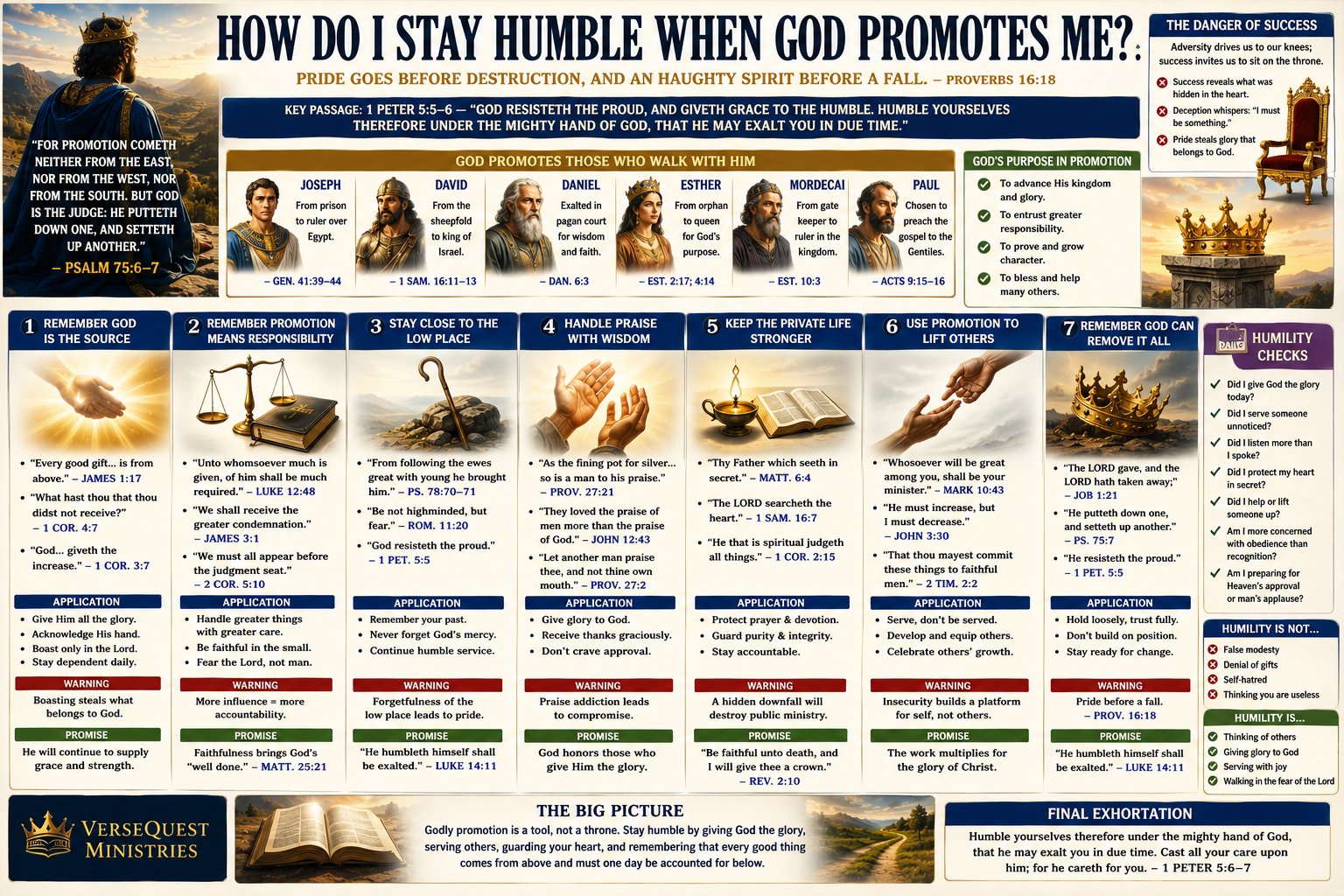
- How to Stay Humble When God Promotes You – Biblical Humility, Success, and Faithful Stewardship (KJV Bible Study Chart)
- Learn how to remain humble when God increases your influence with this detailed KJV Bible study chart covering pride, praise, responsibility, private devotion, servant leadership, and faithful stewardship.
- $3.99
- Add to cart
-
-
KJV Bible Study Resources
-
-60%
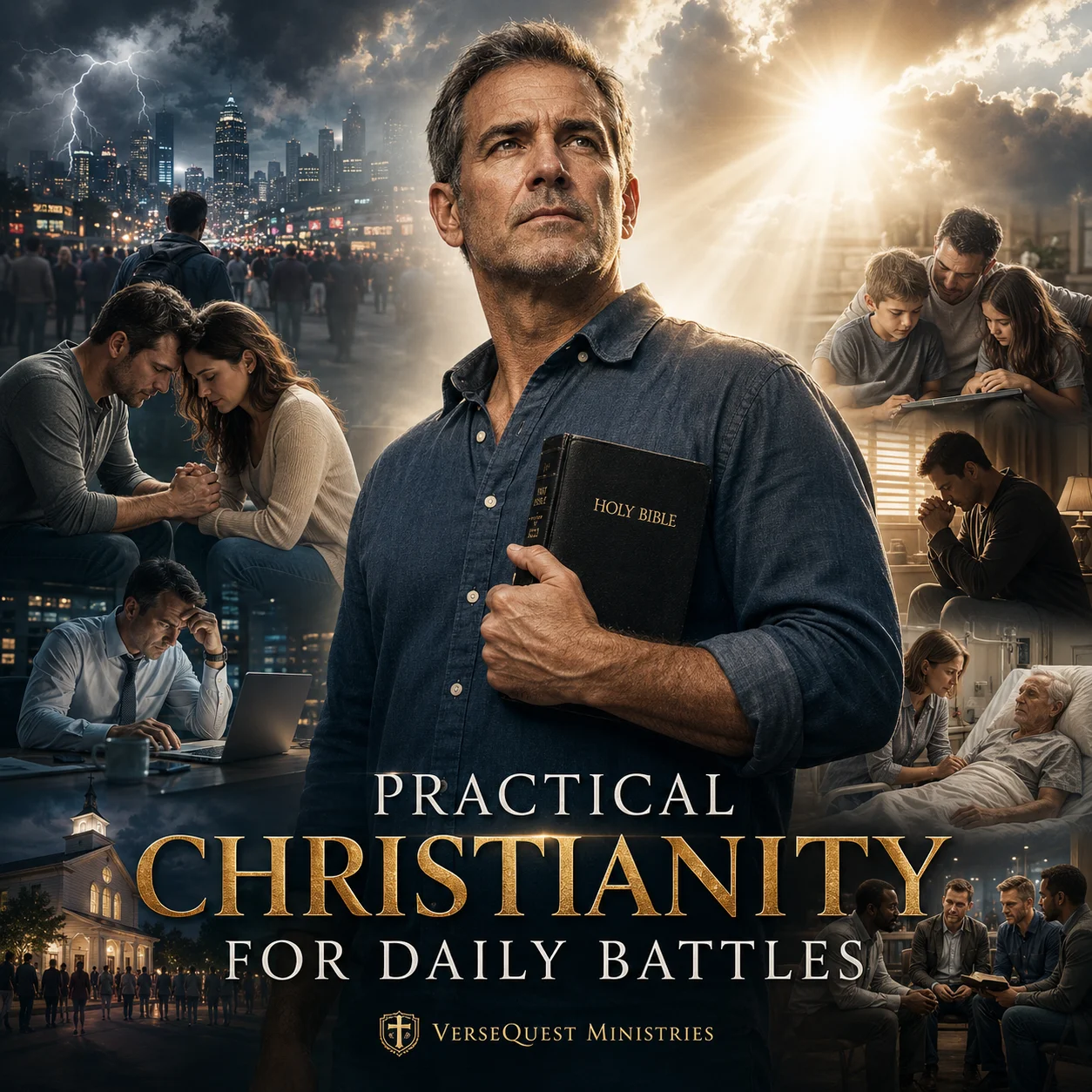
- Practical Christianity for Daily Battles – 329-Page KJV Study PDF
- A premium 329-page KJV study PDF with 40 full essays applying sound, rightly divided Bible doctrine to real daily Christian battles. Topics include temptation, anxiety, marriage, parenting, pornography, grief, church…
- Original price was: $24.99.$9.99Current price is: $9.99.
- Add to cart
-
-60%
-
Biblical Courage
-
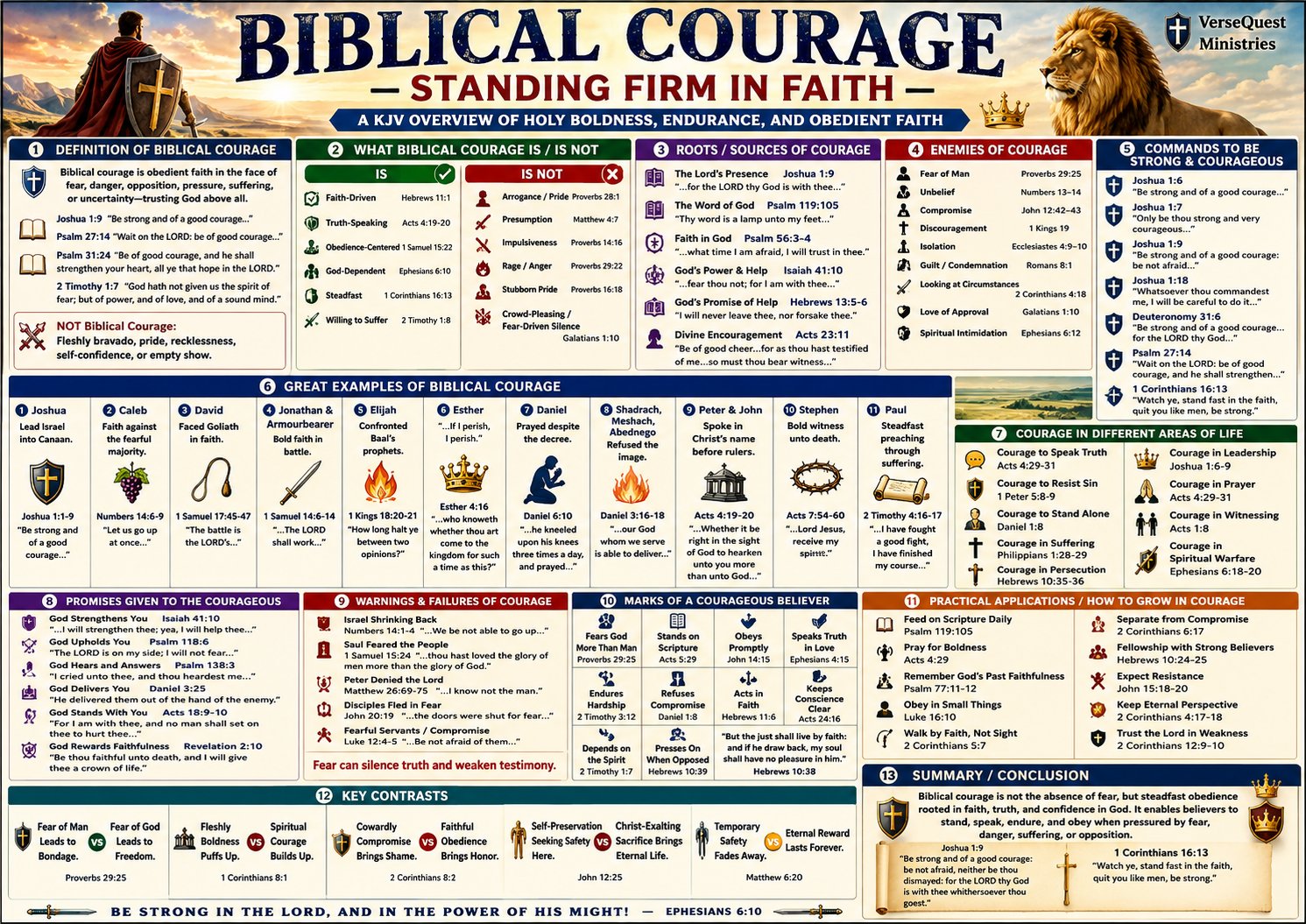
- Biblical Courage Bible Study Chart – Standing Firm in Faith, Holy Boldness, and Obedient Endurance (KJV)
- Stand firm in faith with this detailed KJV Bible study chart covering biblical courage, holy boldness, fear, endurance, obedient faith, spiritual warfare, persecution, and courageous Bible examples.
- $3.99
- Add to cart
-
-
Spiritual Growth
-
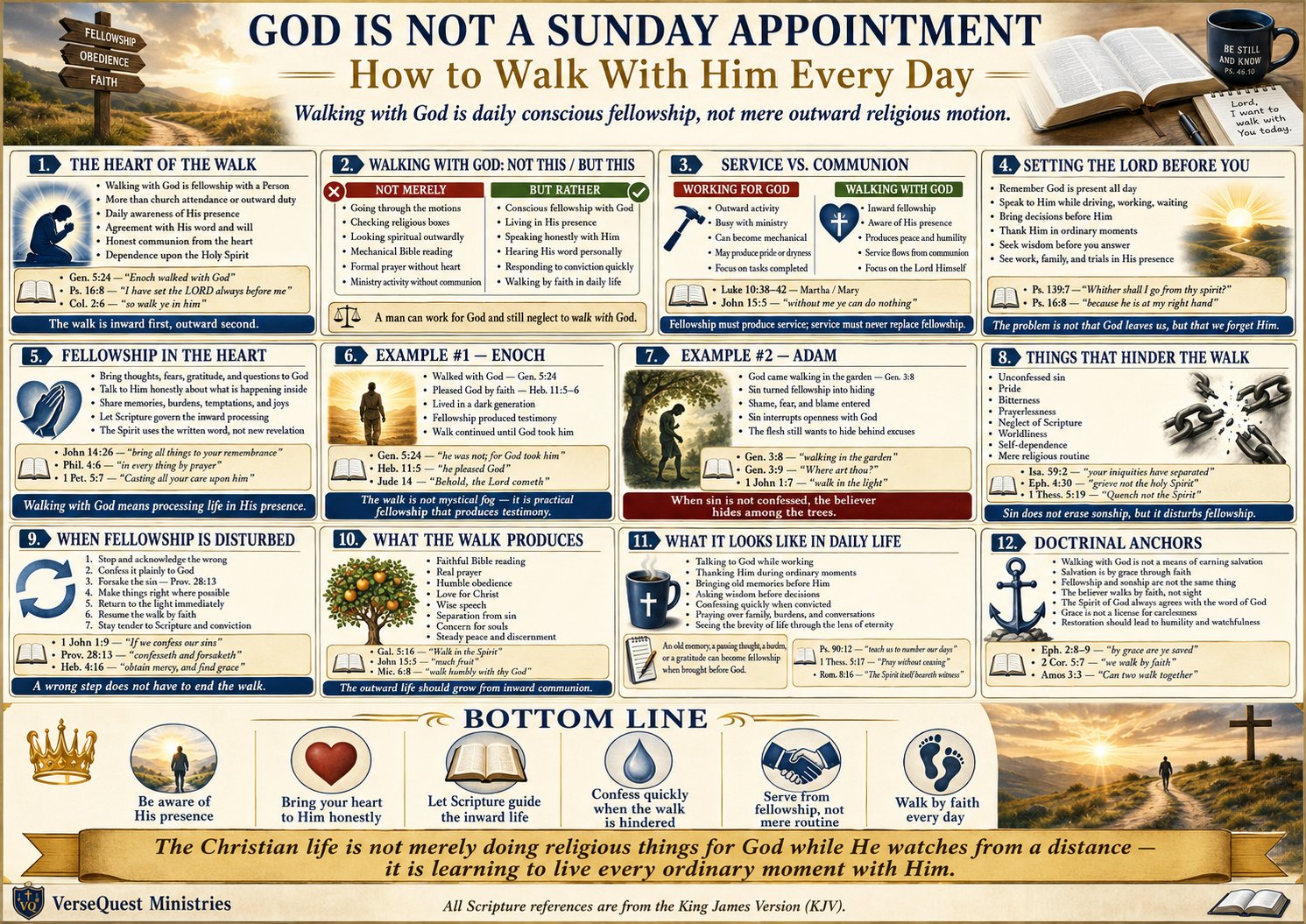
- God Is Not a Sunday Appointment – Walking With God Bible Study Chart
- Discover what it truly means to walk with God every day—not merely performing religious duties, but living in conscious fellowship with Him. This detailed KJV Bible study chart explains the…
- $3.99
- Add to cart
-
-
Christian Backsliding
-
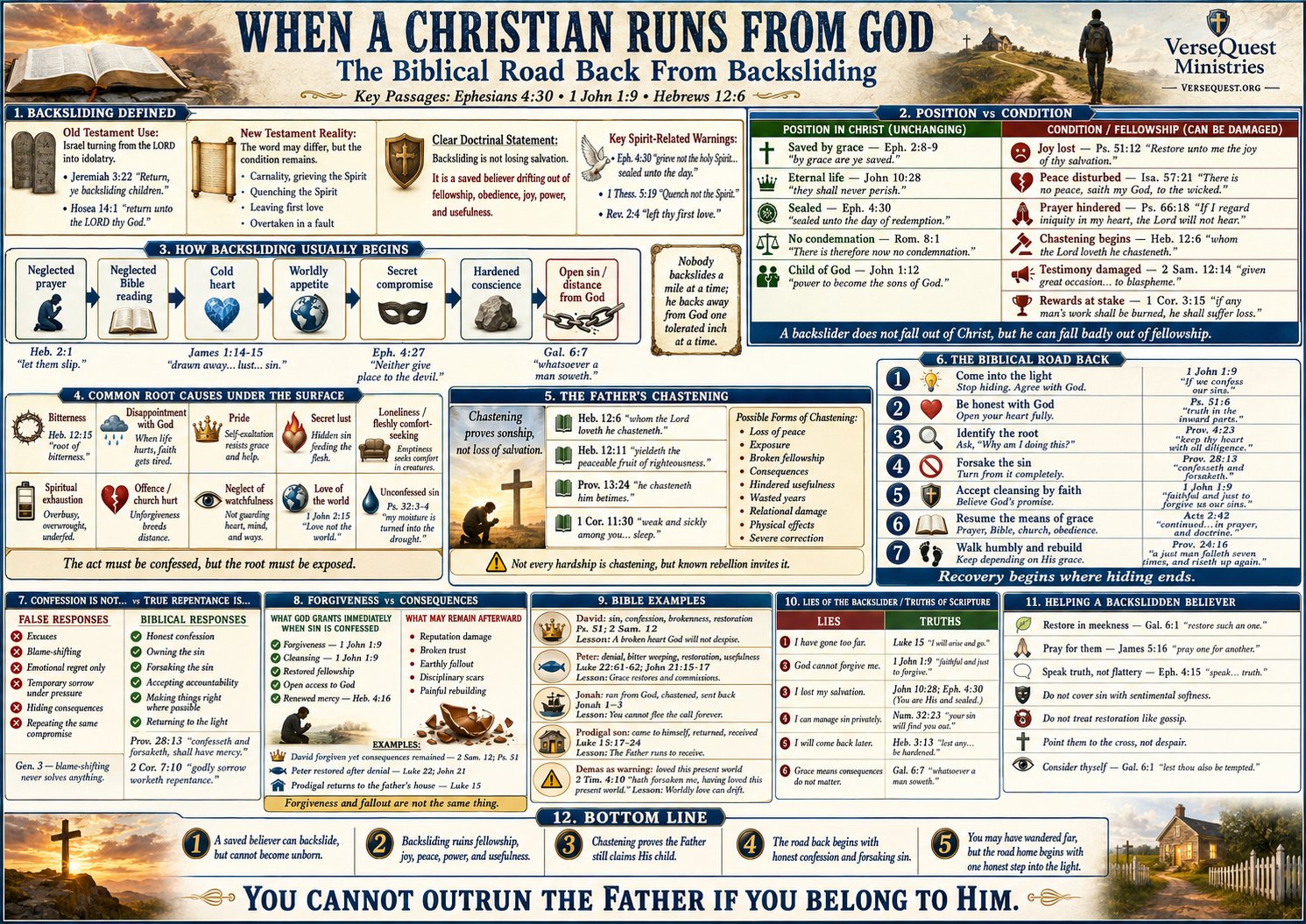
- When a Christian Runs from God – The Biblical Road Back from Backsliding, Chastening, and Broken Fellowship (KJV Bible Study Chart)
- Understand Christian backsliding with this detailed KJV chart covering position versus fellowship, spiritual decline, root causes, chastening, confession, consequences, restoration, and the biblical road back to God.
- $3.99
- Add to cart
-