Topic: practical Christian living
-

October 23, 2026
Series: Romans 12:2, The Renewed Mind
Speaker: Paul Tackett
Topic: be not conformed to this world, biblical meditation, biblical thinking, Christian Sanctification, Christian thought life, Christian transformation, discernment and God’s will, King James Bible study, KJV Sermon Outline, mind of Christ, practical Christian living, renewing of your mind, renewing the mind with Scripture, rightly dividing the word, Romans 12:2, Romans 12:2 sermon outline, spiritual transformation, taking thoughts captive, The Renewed Mind, worldly conformity
Book: Romans
This detailed sermon outline examines Romans 12:2 and Paul’s command, “be not conformed to this world: but be ye transformed by the renewing of your mind,” showing that genuine Christian transformation reaches deeper than external behavior and begins with biblical thinking. The message explains why the natural and carnal mind cannot serve as the believer’s final authority, how the present world continually pressures Christians toward its values and assumptions, and why Scripture must replace worldly thinking with divine truth. It explores the word of God as the primary instrument of mental renewal, the responsibility to bring thoughts into obedience to Christ, and how a renewed mind changes the believer’s view of sin, self, other people, priorities, and daily decisions. The outline also emphasizes right division as essential to accurate biblical thinking and explains how renewed judgment enables Christians to discern and demonstrate “that good, and acceptable, and perfect, will of God.” Preachers, teachers, and Bible students will gain a sermon-ready framework for teaching spiritual transformation, biblical meditation, discernment, sanctification, thought life, right division, and practical Christian obedience.
-
October 22, 2026
Speaker: Paul Tackett
Topic: Christian Liberty, Christian Sanctification, Christian spiritual warfare, flesh versus Spirit, Fruit of the Spirit, Galatians 5:17, Galatians 5:17 sermon outline, King James Bible study, KJV Sermon Outline, make no provision for the flesh, practical Christian living, rightly dividing the word, Romans 7 Christian conflict, Romans 8 Spirit-led life, Spiritual Growth, The Battle Between Flesh and Spirit, Two Natures of the Believer, Victory Over the Flesh, Walking in the Spirit, Works of the Flesh
Book: Galatians
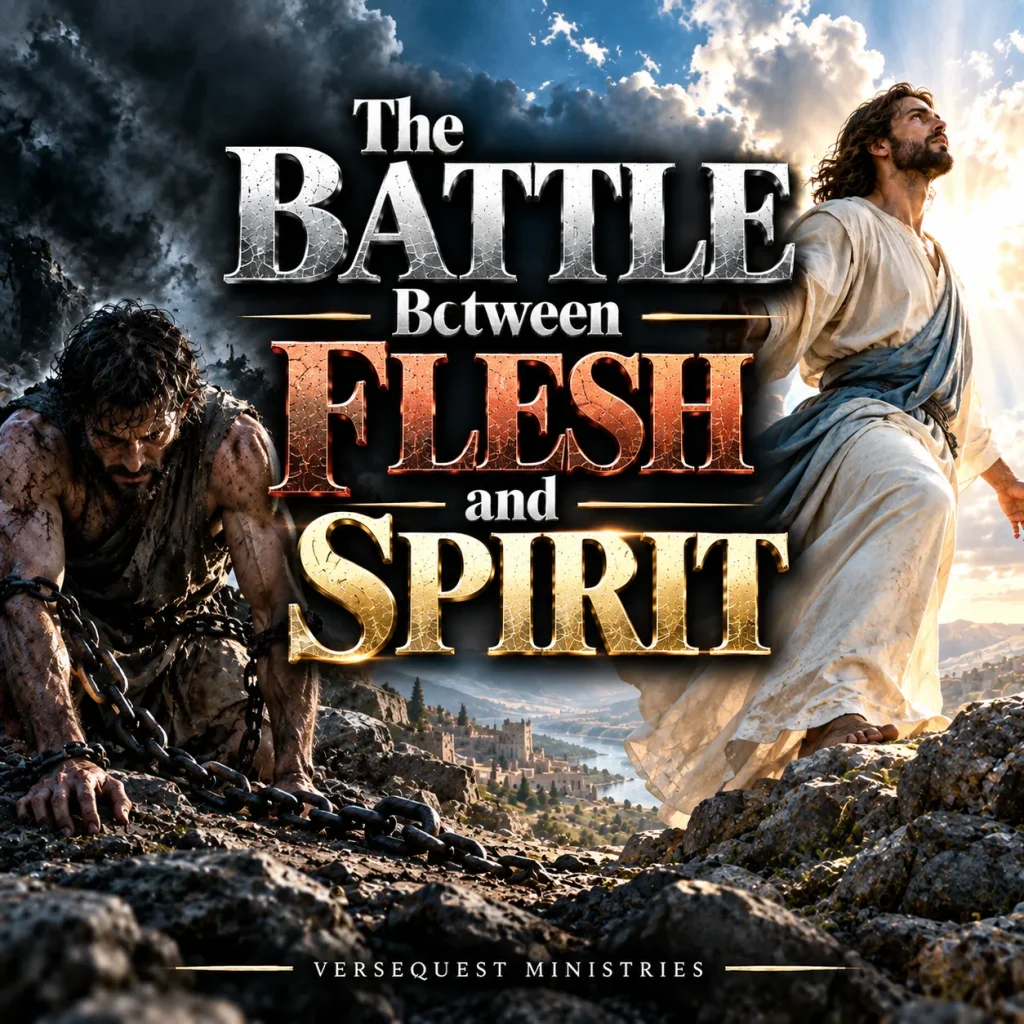
This detailed sermon outline examines Galatians 5:17 and Paul’s declaration that “the flesh lusteth against the Spirit, and the Spirit against the flesh,” revealing the continuing internal conflict experienced by the saved believer. The message explains why salvation does not make the flesh holy or trustworthy, how the indwelling Holy Spirit creates a new opposition to the old nature, and why the existence of spiritual conflict does not mean salvation has failed. It contrasts walking in the Spirit with attempts to conquer sin through law, religious willpower, or self-reformation; examines the works of the flesh alongside the fruit of the Spirit; and shows why Christians must refuse to make provision for sinful appetites. The outline also connects Galatians 5 with Romans 6–8 and other Pauline passages to address grace, Christian liberty, sanctification, assurance, the believer’s twofold conflict, right division, and practical victory. Preachers, teachers, and Bible students will gain a sermon-ready framework for teaching how believers can recognize the flesh, depend upon the Holy Spirit, cultivate spiritual fruit, resist temptation, and walk faithfully in Christ.
-
October 20, 2026
Speaker: Paul Tackett
Topic: be not conformed to this world, biblical surrender, bodily stewardship, Christian consecration, Christian Sanctification, Christian separation, Christian transformation, grace and Christian service, King James Bible study, KJV Sermon Outline, living sacrifice sermon, mercies of God, practical Christian living, present your body a living sacrifice, presenting your body to God, reasonable service, renewing of the mind, Romans 12 sermon outline, Romans 12:1–2, will of God
Book: Romans
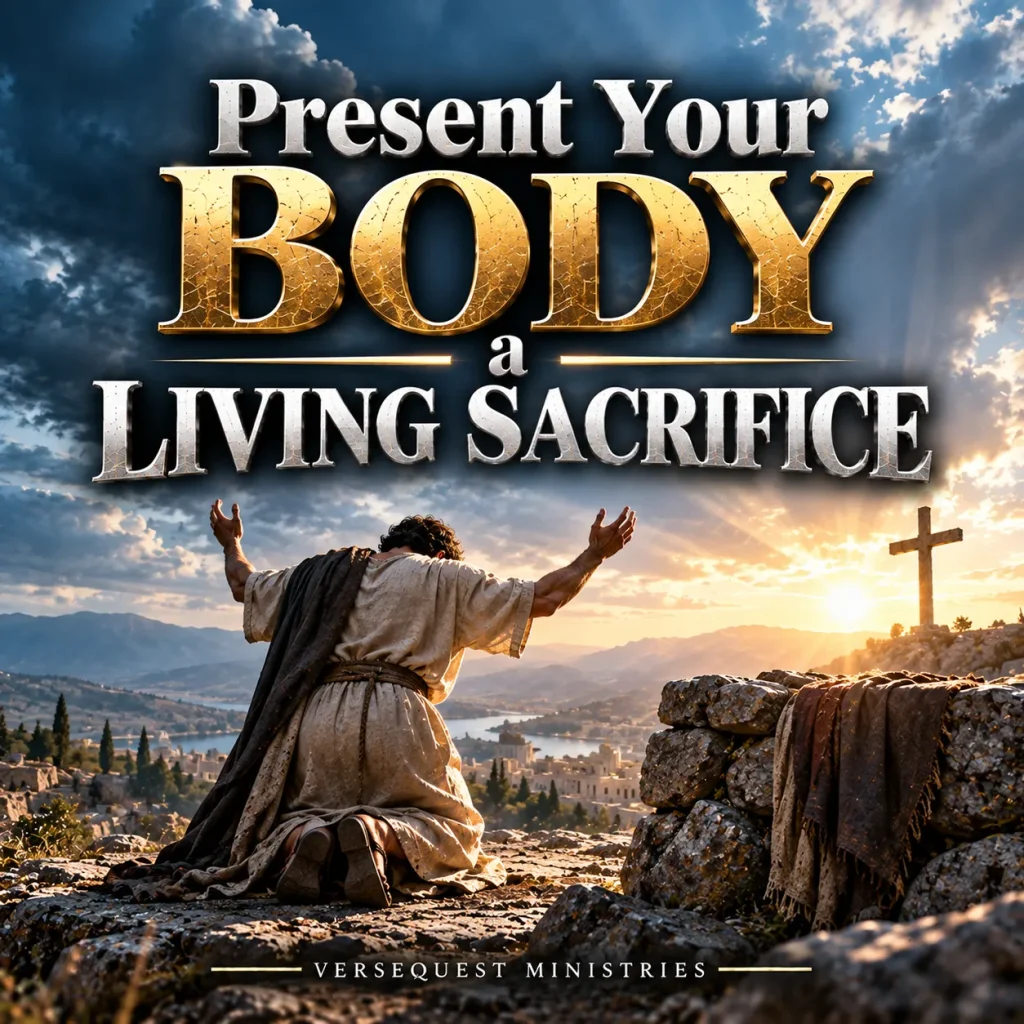
This detailed sermon outline examines Romans 12:1–2 and Paul’s appeal to believers to “present your bodies a living sacrifice, holy, acceptable unto God,” showing that Christian consecration is the reasonable response to the mercies of God rather than a means of earning or maintaining salvation. Beginning with Paul’s crucial “therefore,” the message connects Romans 12 with the doctrinal foundation established throughout Romans 1–11 and explains why grace, justification, security in Christ, and divine mercy must come before Christian service. It explores the believer’s responsibility to yield the physical body to God, the daily nature of being a living sacrifice, practical holiness, resistance to conformity with this present world, and transformation through the renewing of the mind. The outline also examines how a Scripture-renewed mind learns to discern and live the “good, and acceptable, and perfect, will of God,” while distinguishing biblical surrender from legalism, religious asceticism, and works-righteousness. Preachers, teachers, and Bible students will gain a sermon-ready framework for teaching consecration, grace, sanctification, renewed thinking, Christian separation, bodily stewardship, practical service, and a life surrendered to God.
-

October 19, 2026
Speaker: Paul Tackett
Topic: Christian identity in Christ, Christian Sanctification, Colossians 3 new man, Ephesians 4 sermon outline, Ephesians 4:22–24, Galatians 5 flesh and Spirit, King James Bible study, KJV Sermon Outline, old man and new man, practical Christian living, putting off the old man, putting on the new man, renewed mind, rightly dividing the word, Romans 6 Christian living, Spiritual Growth, The New Man and the Old Man, Two Natures of the Believer, Victory Over the Flesh, Walking in the Spirit
Book: Ephesians
This detailed sermon outline examines Ephesians 4:22–24 and Paul’s distinction between “the old man,” which is corrupt according to deceitful lusts, and “the new man,” which after God is created in righteousness and true holiness. The message explains that salvation does not rehabilitate Adam’s fallen nature but gives the believer a new identity and life in Christ, while the flesh remains present and must not be allowed to rule the Christian walk. It develops Paul’s three-part practical pattern of putting off the former manner of life, being renewed in the spirit of the mind, and putting on conduct consistent with the new man. The outline connects Ephesians 4 with Romans 6–8, Galatians 5, and Colossians 3 to explain the crucifixion of the old man, the continuing conflict between flesh and Spirit, positional truth, practical sanctification, renewed thinking, and victory through walking in the Spirit. It also brings the doctrine into everyday life by addressing lying, anger, speech, work, bitterness, forgiveness, purity, and Christian relationships. Preachers, teachers, and Bible students will gain a sermon-ready framework for teaching the believer’s twofold conflict, identity in Christ, right division, sanctification, spiritual growth, and practical Christian living.