Topic: Chastening of the Lord
-

October 27, 2026
Speaker: Paul Tackett
Topic: author and finisher of faith, biblical perseverance, Chastening of the Lord, Christian discipline, Christian race of faith, enduring trials as a Christian, finish the Christian race, great cloud of witnesses, Hebrews 12 sermon outline, Hebrews 12:1–2, Jesus endured the cross, Judgment Seat of Christ, KJV Sermon Outline, laying aside every weight, looking unto Jesus, rightly dividing the word, run with patience, Running the Race With Patience, sin which easily besets us, spiritual endurance
Book: Hebrews
This detailed sermon outline examines Hebrews 12:1–2 and the biblical command to “run with patience the race that is set before us,” revealing the importance of spiritual endurance, faithful service, and keeping our attention fixed upon the Lord Jesus Christ. Beginning with the great cloud of witnesses described in Hebrews 11, the message explains how the recorded testimony of faithful Old Testament believers encourages perseverance through hardship, opposition, uncertainty, and suffering. It carefully distinguishes unnecessary spiritual weights from actual sins, showing why Christians must examine not only sinful habits but also lawful activities, ambitions, distractions, and earthly concerns that interfere with faithful service. The outline explores the meaning of biblical patience, the importance of running the particular course set before each believer, and the danger of comparing ourselves with other Christians rather than concentrating upon our own responsibilities before God. Special attention is given to Jesus Christ as “the author and finisher of our faith,” His endurance of the cross, His victory over death, and His exaltation at the right hand of God. Drawing upon Hebrews 12:3–13, the sermon also examines divine chastening, spiritual weariness, correction, and the necessity of continuing faithfully when circumstances become difficult. The message further connects the race of faith with Paul’s athletic illustrations in 1 Corinthians 9, his determination in Philippians 3, and his final testimony in 2 Timothy 4:7, while maintaining the important doctrinal distinction between salvation by grace and the believer’s future accountability for Christian service. Preachers, teachers, and Bible students will gain a comprehensive, rightly divided, sermon-ready framework for teaching Christian perseverance, spiritual discipline, resistance to sin, patience during suffering, the example of Christ, eternal rewards, and the importance of finishing the Christian race faithfully.
-
August 24, 2026
Speaker: Paul Tackett
Topic: Assurance in Christ, Bible Study Resources, Chastening of the Lord, Confession and Restoration, David and Bathsheba, David’s Confession, Eternal Security, Gospel of Grace, Grieving the Holy Spirit, Joy of Thy Salvation, KJV Sermon Outline, Losing Joy Without Losing Salvation, Losing Joy Without Losing Salvation Sermon Outline, Not Losing Salvation, Psalm 51 Sermon, Psalm 51:12, Restore Unto Me the Joy, Rightly Dividing, Sin Breaks Fellowship, Sonship and Fellowship
Book: Psalms
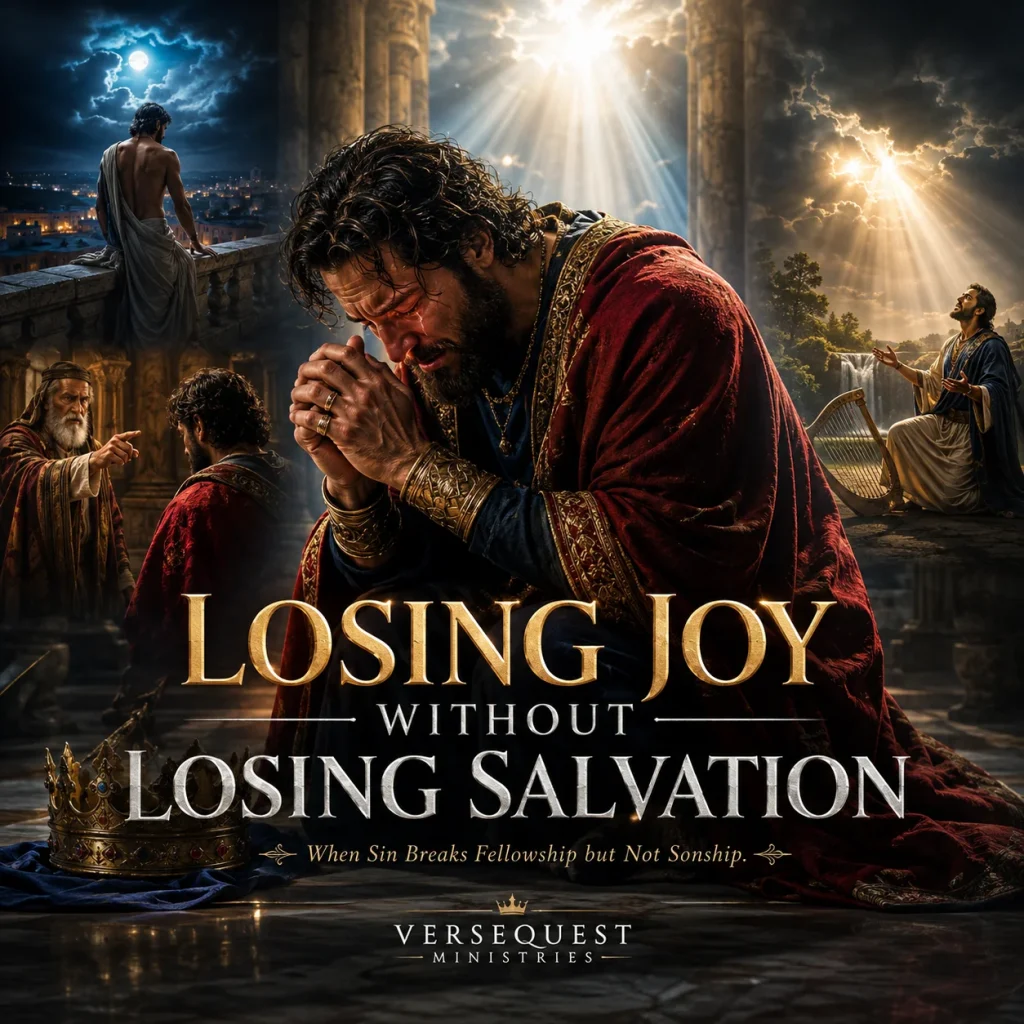
This VerseQuest Ministries sermon outline on Psalm 51:12 explains the vital difference between losing the joy of salvation and losing salvation itself. Built around David’s broken prayer, “Restore unto me the joy of thy salvation,” the outline shows how sin can rob fellowship, joy, peace, testimony, usefulness, and spiritual liberty without undoing God’s saving work. It carefully handles David’s Old Testament setting while applying the practical truth to Church-age believers who are saved by grace, sealed with the Holy Spirit, held by Christ, and free from condemnation. The sermon addresses David’s sin with Bathsheba, Nathan’s rebuke, confession, chastening, restoration, sonship versus fellowship, grieving the Spirit, and the gospel foundation of Christ’s death, burial, and resurrection. Preachers, teachers, and Bible students will gain a strong KJV-based framework for teaching assurance, repentance, confession, restored joy, holy living, and the mercy of God toward His own.
-
August 23, 2026
Speaker: Paul Tackett
Topic: Assurance in Christ, Bible Study Resources, Chastening Not Damnation, Chastening of the Lord, Christian Correction, Despise Not Chastening, Faint Not Under Rebuke, Father of Spirits, Fatherly Correction, Fellowship With God, God’s Loving Discipline, Hebrews 12:5–11, Holy Living, KJV Sermon Outline, Peaceable Fruit of Righteousness, Rightly Dividing, Sonship Fellowship and Chastening, Sonship Fellowship and Chastening Sermon Outline, Sonship Not Condemnation, Whom the Lord Loveth He Chasteneth
Book: Hebrews
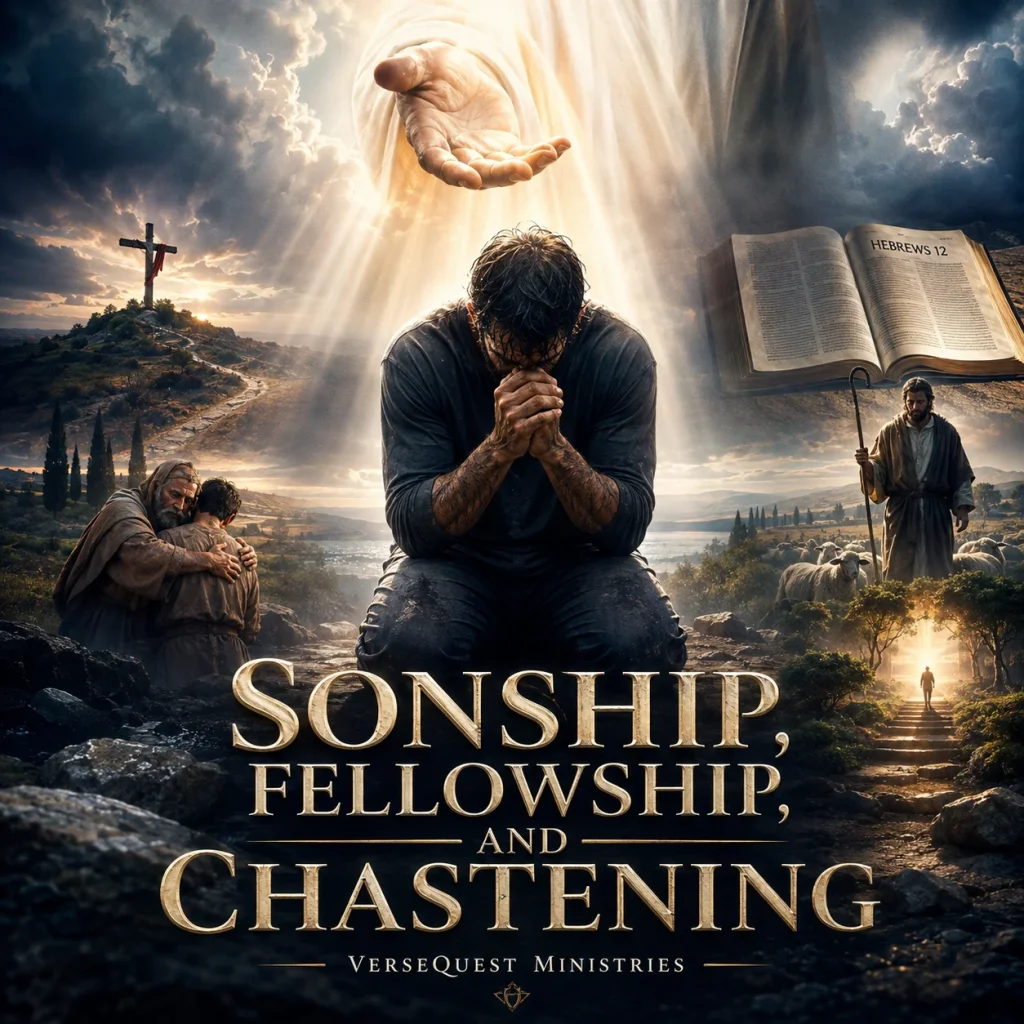
This VerseQuest Ministries sermon outline on Hebrews 12:5–11 explains the vital difference between sonship, fellowship, and chastening in the believer’s life. The outline shows that the chastening of the Lord is not eternal condemnation, loss of salvation, or God casting away His child, but the Father’s loving correction of those whom He receives. It carefully distinguishes sonship from daily fellowship, chastening from condemnation, correction from rejection, and the believer’s settled standing in Christ from his practical walk before God. The sermon addresses why believers must not despise chastening or faint under rebuke, how God uses correction for profit and holiness, and how chastening yields the peaceable fruit of righteousness. Preachers, teachers, and Bible students will gain a strong KJV-based framework for teaching assurance, fatherly discipline, confession, restoration, holy living, and the difference between God’s correcting hand and the wrath reserved for the lost.