Book: Philippians
-
November 16, 2026
Series: Philippians 4:7
Speaker: Paul Tackett
Topic: biblical thought life, Christian contentment, Christian peace during trials, freedom from anxious worry, God of peace, hearts and minds through Christ Jesus, KJV Sermon Outline, Paul in prison, peace with God versus peace of God, Philippians 4 sermon outline, Philippians 4:6–9, Philippians 4:7, prayer with thanksgiving, rejoicing in the Lord, renewing the mind, rightly divided Bible teaching, salvation by grace through faith, strength through Christ, the peace of God, The Peace That Keeps the Heart
Book: Philippians
This detailed sermon outline examines Philippians 4:7 and the Apostle Paul’s remarkable declaration, “And the peace of God, which passeth all understanding, shall keep your hearts and minds through Christ Jesus,” revealing the spiritual peace available to saved believers through Jesus Christ even when earthly circumstances remain uncertain, painful, or beyond human control. The message carefully establishes the passage’s immediate context within Philippians 4:4–9, where Paul instructs believers to rejoice in the Lord, reject consuming anxiety, bring their requests before God through prayer and supplication with thanksgiving, and direct their thoughts toward things that are true, honest, just, pure, lovely, and of good report. Special attention is given to the distinction between peace with God through justification by faith in Romans 5:1 and the practical peace of God that guards the believer’s heart and mind through Christ Jesus. The sermon examines the expressions “the peace of God,” “which passeth all understanding,” “shall keep your hearts and minds,” and “through Christ Jesus,” explaining why biblical peace does not depend upon the immediate removal of suffering, complete knowledge concerning the future, material prosperity, or favorable earthly circumstances. Drawing upon Romans 8, Ephesians 2–3, Colossians 3, 2 Corinthians 12, and other supporting passages, the outline explores the believer’s secure position in Jesus Christ, the Holy Spirit’s assistance in prayer, and the importance of maintaining confidence in God’s wisdom while facing genuine difficulties. The message addresses the dangers of allowing fear, anxious speculation, bitterness, worldly influences, and unbiblical thinking to dominate the heart and mind, while emphasizing the necessity of renewing the mind through Scripture rightly divided. Special consideration is given to Philippians 4:8–9, demonstrating why the peace of God should be accompanied by disciplined biblical thinking, practical obedience, sound doctrine, and walking in the Spirit. The sermon also examines Paul’s testimony of contentment in both abundance and need, explaining the proper meaning of Philippians 4:13 and why Christ’s sufficient strength does not guarantee uninterrupted earthly comfort or the fulfillment of every personal ambition. Throughout the message, salvation by grace through faith in the finished work of Jesus Christ is carefully distinguished from the saved believer’s continuing responsibilities concerning prayer, thanksgiving, spiritual maturity, holiness, and faithful Christian service. Preachers, pastors, teachers, and Bible students will gain a comprehensive, KJV-based, rightly divided, sermon-ready framework for teaching the peace of God, assurance of salvation, freedom from consuming anxiety, Christian contentment, biblical prayer, the renewing of the mind, spiritual perseverance, and the sufficiency of Jesus Christ through every circumstance of life.
-
November 15, 2026
Speaker: Paul Tackett
Topic: be careful for nothing, biblical prayer and supplication, Christian contentment, Christian giving and generosity, Christian gratitude, freedom from anxious worry, KJV Sermon Outline, Paul's imprisonment, Peace of God, Peace With God, Philippians 4 sermon outline, Philippians 4:13, Philippians 4:6, Philippians 4:7, prayer with thanksgiving, rejoicing in the Lord, rightly divided Bible teaching, salvation by grace through faith, The Prayer of Thanksgiving, trusting God through hardship
Book: Philippians
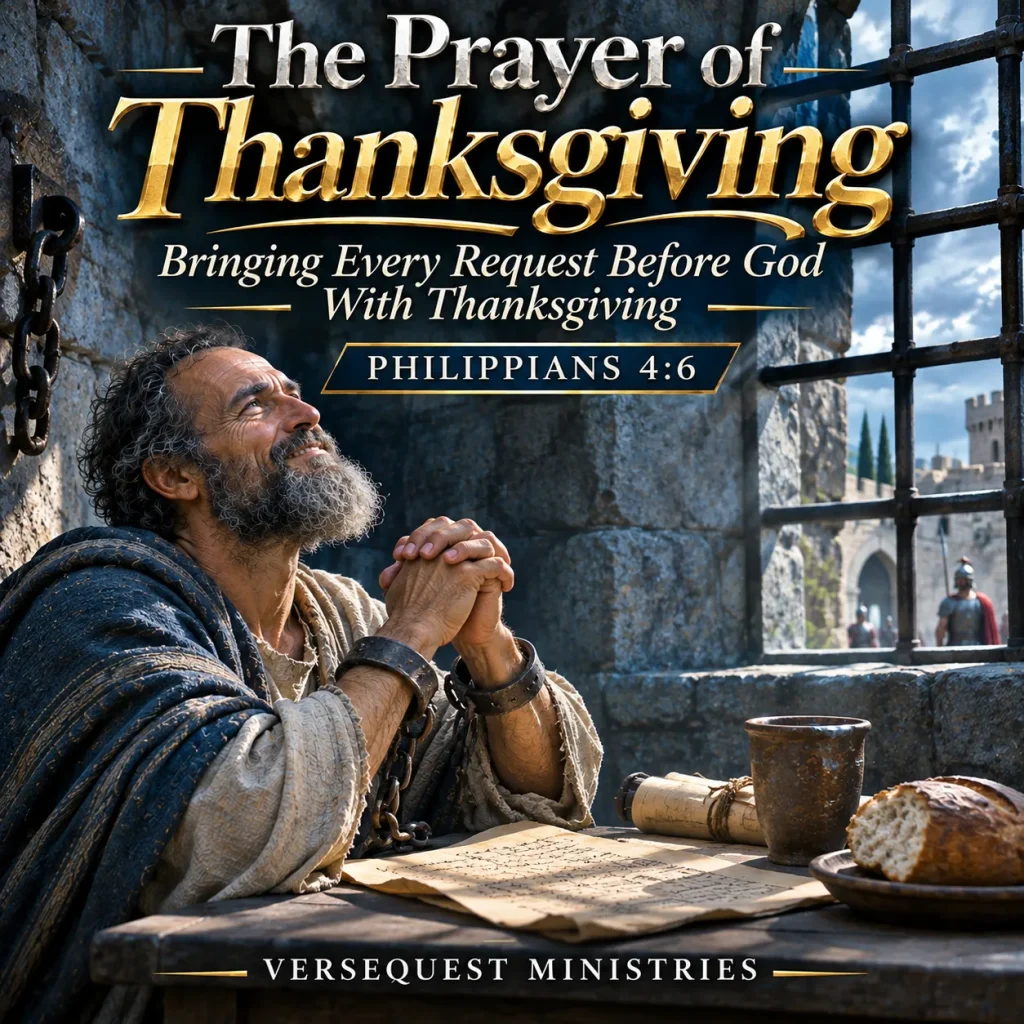
This detailed sermon outline examines Philippians 4:6 and the Apostle Paul’s instruction, “Be careful for nothing; but in every thing by prayer and supplication with thanksgiving let your requests be made known unto God,” revealing the importance of approaching the Father with gratitude, spiritual dependence, and confidence in the sufficiency of Jesus Christ. The message carefully establishes the historical and doctrinal setting of Philippians, where Paul, writing amid imprisonment and opposition, encourages saved believers to rejoice in the Lord, remain faithful through adversity, practice Christian unity, and bring their requests before God with thanksgiving. Special attention is given to the expressions “Be careful for nothing,” “in every thing,” “by prayer and supplication,” “with thanksgiving,” and “let your requests be made known unto God,” explaining why biblical prayer should be characterized by gratitude rather than anxious preoccupation, religious performance, or attempts to manipulate divine decisions. The sermon distinguishes consuming anxiety from legitimate concern, prudent planning, responsible stewardship, and appropriate responses to suffering, while emphasizing why Christians should not allow uncertainty about tomorrow to control their thinking today. Drawing upon Philippians 4:4–9, Romans 5 and 8, Ephesians 2–3, Colossians 3–4, and 1 Thessalonians 5, the outline explains the relationship between rejoicing, prayer, thanksgiving, and the peace of God that passes all understanding and guards believers’ hearts and minds through Jesus Christ. It carefully distinguishes the believer’s peace with God through justification by faith from the practical peace of God experienced through prayerful dependence upon the Lord. The message also examines Philippians 4:8–9, demonstrating why thankful prayer must be accompanied by disciplined biblical thinking, sound doctrine, and faithful obedience rather than continually feeding the mind with fear, bitterness, speculation, and worldly influences. Special consideration is given to Paul’s testimony of contentment in abundance and need, the proper interpretation of Philippians 4:13, and the importance of rejecting prosperity teaching that misuses biblical promises to guarantee earthly wealth, physical healing, or the fulfillment of every personal ambition. The outline further explores the Philippians’ financial support of Paul’s ministry, biblical generosity, cheerful giving, and the proper interpretation of God’s provision in Philippians 4:19. Throughout the message, salvation by grace through faith in the finished work of Jesus Christ is distinguished from the saved believer’s continuing responsibilities concerning prayer, gratitude, holiness, intercession, stewardship, and spiritual perseverance. Preachers, pastors, teachers, and Bible students will gain a comprehensive, KJV-based, rightly divided, sermon-ready framework for teaching the prayer of thanksgiving, freedom from consuming anxiety, divine peace, Christian contentment, biblical generosity, spiritual maturity, and the importance of remaining grateful and faithful to Jesus Christ even when earthly circumstances remain difficult.
-

August 29, 2026
Speaker: Paul Tackett
Topic: Assurance in Christ, Bible Study Resources, Christian Perseverance, Christian Sanctification, Day of Jesus Christ, Eternal Security, Finished Work of Christ, God Finishes What He Starts, God’s Faithfulness, Good Work in the Believer, Gospel of Grace, Grace That Finishes What It Starts, He Will Perform It, Holy Spirit Seal, KJV Sermon Outline, Philippians 1:6, Philippians 1:6 Sermon Outline, Redemption Day, Rightly Dividing, Spiritual Growth
Book: Philippians
This VerseQuest Ministries sermon outline on Philippians 1:6 explains Paul’s confidence that “he which hath begun a good work in you will perform it until the day of Jesus Christ.” The outline shows that salvation begins with God’s grace, rests upon the death, burial, and resurrection of Jesus Christ, and moves toward the future completion God has promised His blood-bought people. It examines the believer’s fellowship in the gospel, the sealing and earnest of the Holy Spirit, practical spiritual growth, God’s work through trials, the coming day of Jesus Christ, Christian accountability, and the distinction between God’s preserving faithfulness and the believer’s responsibility to obey and serve. Preachers, teachers, and Bible students will gain a strong KJV-based framework for teaching assurance without passivity, sanctification without legalism, and the comforting truth that the God who begins His saving work does not abandon it before redemption is complete.
-

July 17, 2026
Speaker: Paul Tackett
Topic: Abrahamic Covenant, Blessed Hope, Body of Christ, Church’s Heavenly Hope, Covenant Promises, Dispensational Truth, Earthly Kingdom, Genesis 12:1-3, Heavenly Calling, Israel and the Church, KJV Sermon Outlines, Pauline Doctrine, Philippians 3:20, Replacement Theology, Rightly Dividing
Book: Philippians
The Covenant Promises and the Church’s Heavenly Hope is a detailed KJV sermon outline from VerseQuest Ministries built on Genesis 12:1–3 and Philippians 3:20. This study explains the distinction between Israel’s earthly covenant promises and the Church’s heavenly calling in Jesus Christ. It shows how God promised Abraham a land, seed, nation, blessing, and worldwide purpose, confirmed those promises through Isaac and Jacob, and will fulfill them literally in restored Israel. It also explains how the Church is the Body of Christ, blessed in heavenly places and awaiting the Saviour from heaven. Designed for pastors, preachers, teachers, Bible students, and believers, this sermon resource exposes replacement theology, preserves Israel’s future, clarifies Pauline doctrine, and distinguishes the earthly kingdom from the heavenly Body. The outline demonstrates how both programs magnify the faithfulness, wisdom, and glory of Jesus Christ.