Topic: spiritual deception
-
October 14, 2026
Speaker: Paul Tackett
Topic: altering God’s words, authority of the Bible, Bible preservation, Biblical Authority, Genesis 3 sermon outline, Genesis 3:1–5, it is written, King James Bible study, KJV Sermon Outline, questioning God’s word, rightly dividing the word, Satan attacks Scripture, Satan contradicts God, serpent and Eve, serpent’s first attack on God’s words, spiritual deception, temptation in the Garden of Eden, Word of God, ye shall be as gods, Yea hath God said
Book: Genesis
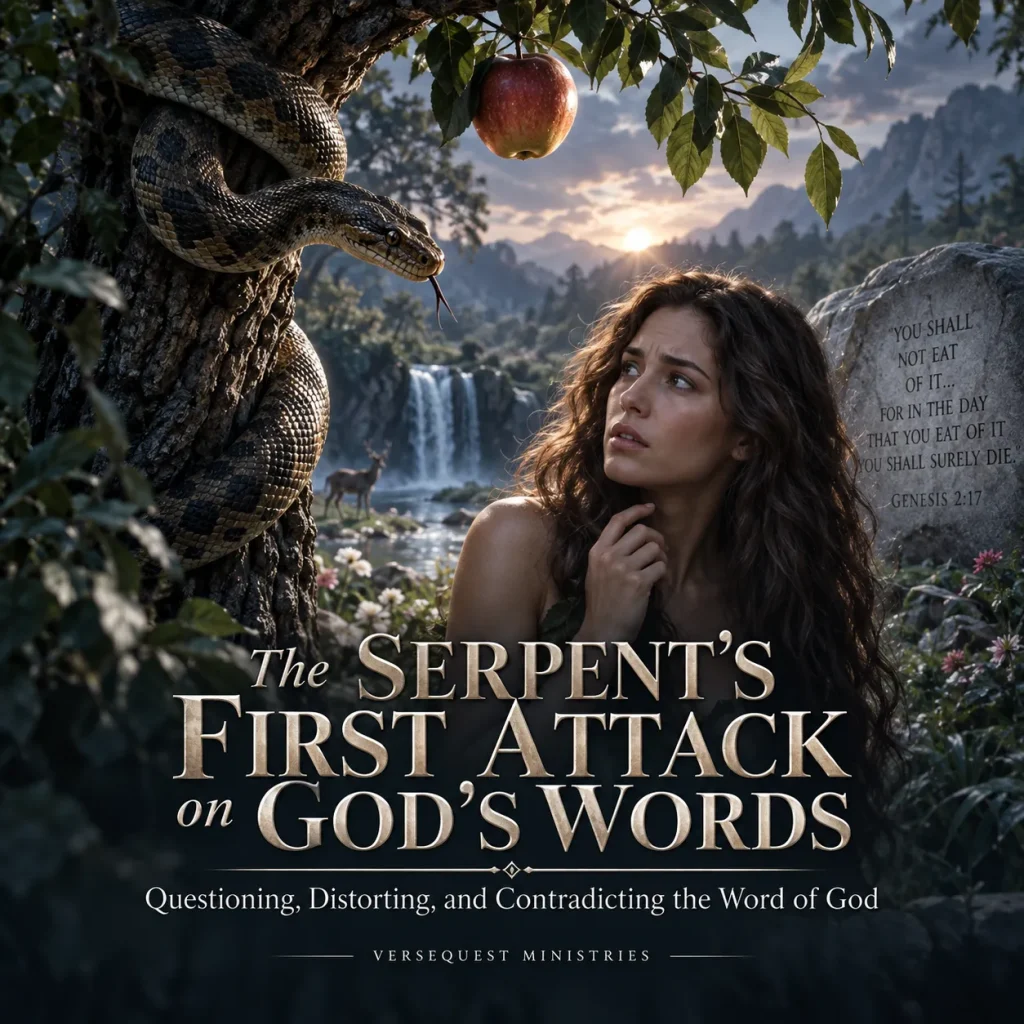
This detailed sermon outline examines Genesis 3:1–5 and the serpent’s first recorded assault upon the revealed words of God, beginning with the subtle question, “Yea, hath God said?” The message traces Satan’s strategy step by step: questioning what God said, distorting God’s generosity, encouraging alteration of the command, directly contradicting God’s warning, supplying a rival interpretation, and ultimately tempting mankind with self-exaltation through the promise, “ye shall be as gods.” It carefully compares Eve’s response with God’s original words to show how subtraction, addition, and weakened wording can affect doctrine and obedience. The outline also contrasts Eve’s handling of the command with Jesus Christ’s repeated answer to Satan, “It is written,” and explains why believers must trust, study, memorize, and rightly divide Scripture rather than placing it beneath human correction. Preachers, teachers, and Bible students will gain a sermon-ready framework for teaching biblical authority, satanic deception, spiritual discernment, preservation of Scripture, right division, temptation, and confidence in the King James Bible as the believer’s final written authority.
-
September 23, 2026
Speaker: Paul Tackett
Topic: 1 John 4:1, Another Gospel, another Jesus, believe not every spirit, biblical discernment, Christian discernment, false prophets, false teachers in the Bible, KJV Sermon Outline, Prove All Things, rightly divided Bible study, seducing spirits, spirit of antichrist, spirit of truth and error, spiritual deception, test the spirits, testing doctrine by Scripture, testing spiritual claims, trying the spirits, trying the spirits sermon outline
Book: 1 John
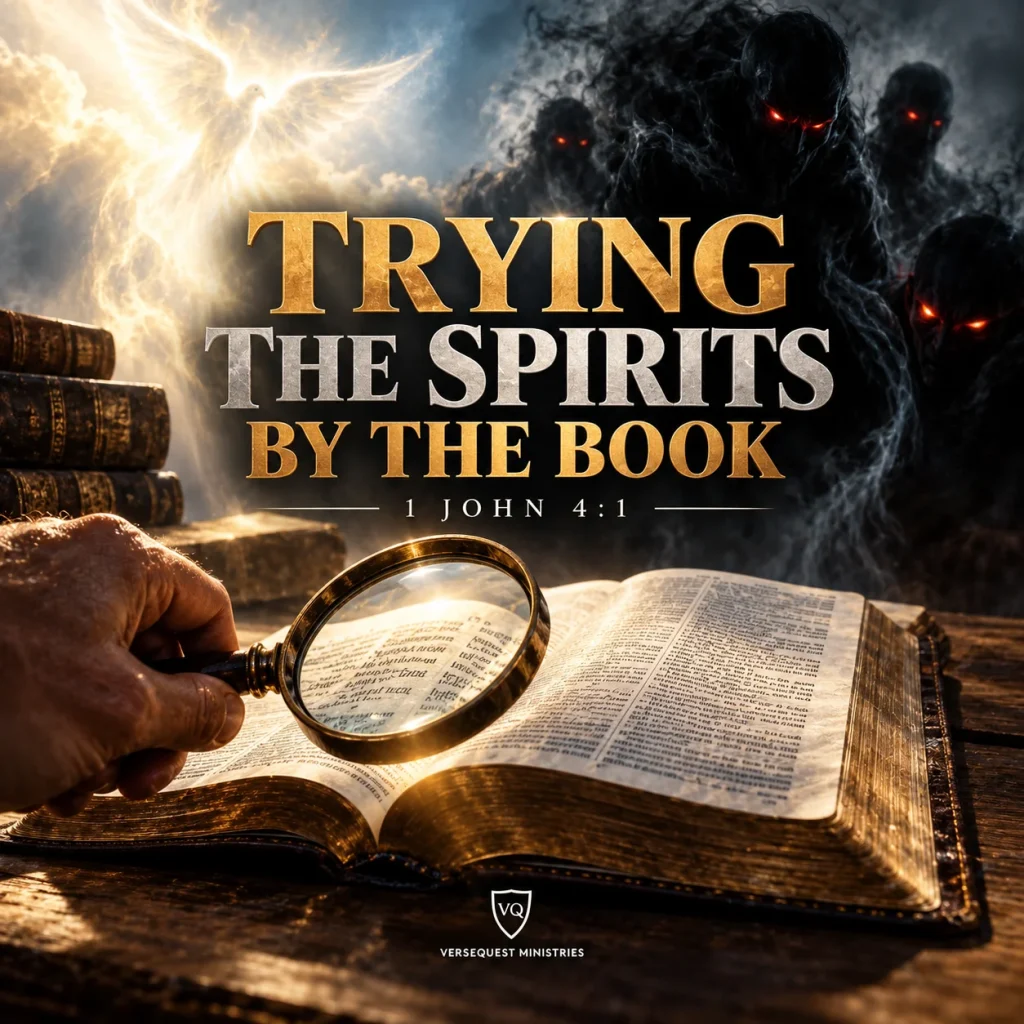
This detailed sermon outline examines 1 John 4:1 and the command, “Beloved, believe not every spirit, but try the spirits whether they are of God.” It explains why false prophets and counterfeit spiritual influences make biblical testing necessary, how doctrine concerning Jesus Christ provides a primary test, and why the spirit of antichrist often works through religious counterfeits rather than open unbelief. The message also shows why miracles, visions, feelings, testimonies, supernatural experiences, and impressive personalities must never be allowed to overrule the written word of God. Particular attention is given to the distinction between “the spirit of truth” and “the spirit of error,” the Berean practice of searching the Scriptures, Paul’s command to “prove all things,” and the necessity of rightly dividing the word of truth. Preachers, teachers, and Bible students will gain a sermon-ready framework for addressing false prophets, seducing spirits, another gospel, another Jesus, spiritual deception, doctrinal testing, and the practical development of mature Christian discernment through a thorough knowledge of the King James Bible.