Series: Genesis 3:1
-
October 13, 2026
Series: Genesis 3:1, Yea hath God said
Speaker: Paul Tackett
Topic: adding to God’s words, authority of Scripture, Bible confusion, Bible correction sermon outline, Bible preservation, Bible study discernment, Biblical Authority, correcting Scripture, Genesis 3 temptation, Genesis 3:1, King James Bible, KJV Sermon Outline, pure words of God, Right Division, rightly dividing the word, Satan and the word of God, scripture cannot be broken, textual criticism and faith, Word of God, Yea hath God said
Book: Genesis
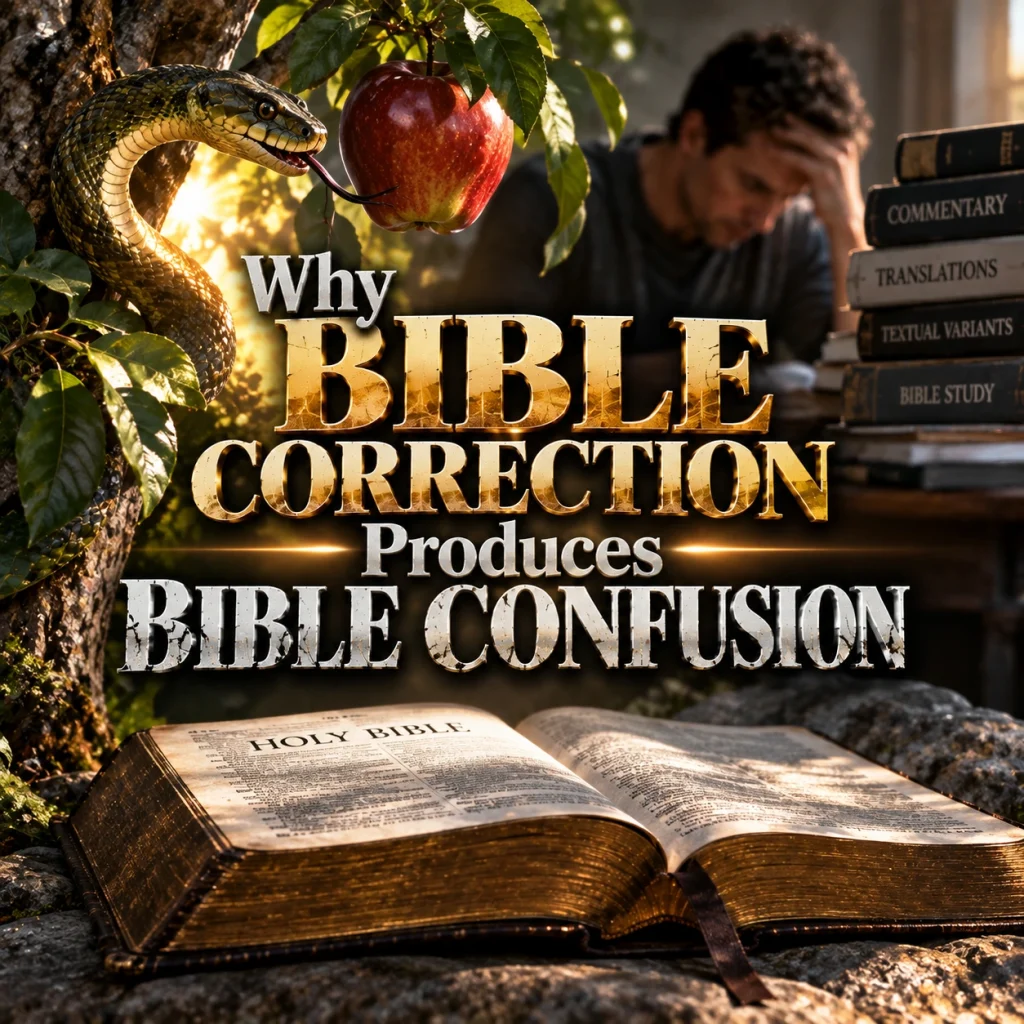
This detailed sermon outline examines Genesis 3:1 and the serpent’s opening challenge, “Yea, hath God said?” as the beginning of mankind’s first recorded attack upon confidence in the revealed word of God. The message traces the progression from questioning God’s words to altering them, weakening them, contradicting them, and finally disobeying them, showing how Eve’s handling of the original command illustrates the danger of subtracting from, adding to, or softening what God actually said. It explains why correcting Scripture transfers practical authority from God’s word to the human corrector, how competing authorities produce doctrinal instability, and why Jesus Christ answered Satan with “It is written” rather than placing Scripture beneath human judgment. The outline also demonstrates how right division resolves apparent biblical contradictions without rewriting the text, connects the purity and preservation of God’s words with doctrinal certainty, and brings the issue down to the believer personally: whether the Bible will correct us or we will attempt to correct the Bible. Preachers, teachers, and Bible students will gain a sermon-ready framework for teaching biblical authority, preservation, discernment, right division, confidence in the King James Bible, and the spiritual danger of repeating the serpent’s question concerning what God has said.