Topic: biblical separation
-
October 31, 2026
Speaker: Paul Tackett
Topic: 2 Timothy 2:20–21, 2 Timothy sermon outline, biblical separation, Christian usefulness Bible study, depart from iniquity, doctrinal purity, fleeing youthful lusts, Hymenaeus and Philetus, KJV Sermon Outline, Practical Sanctification, prepared unto every good work, purging from false doctrine, righteousness faith charity and peace, rightly dividing the word of truth, salvation by grace and service, sanctified for the Master's use, servant of the Lord, teaching with meekness, The Clean Vessel God Can Use, vessel unto honour
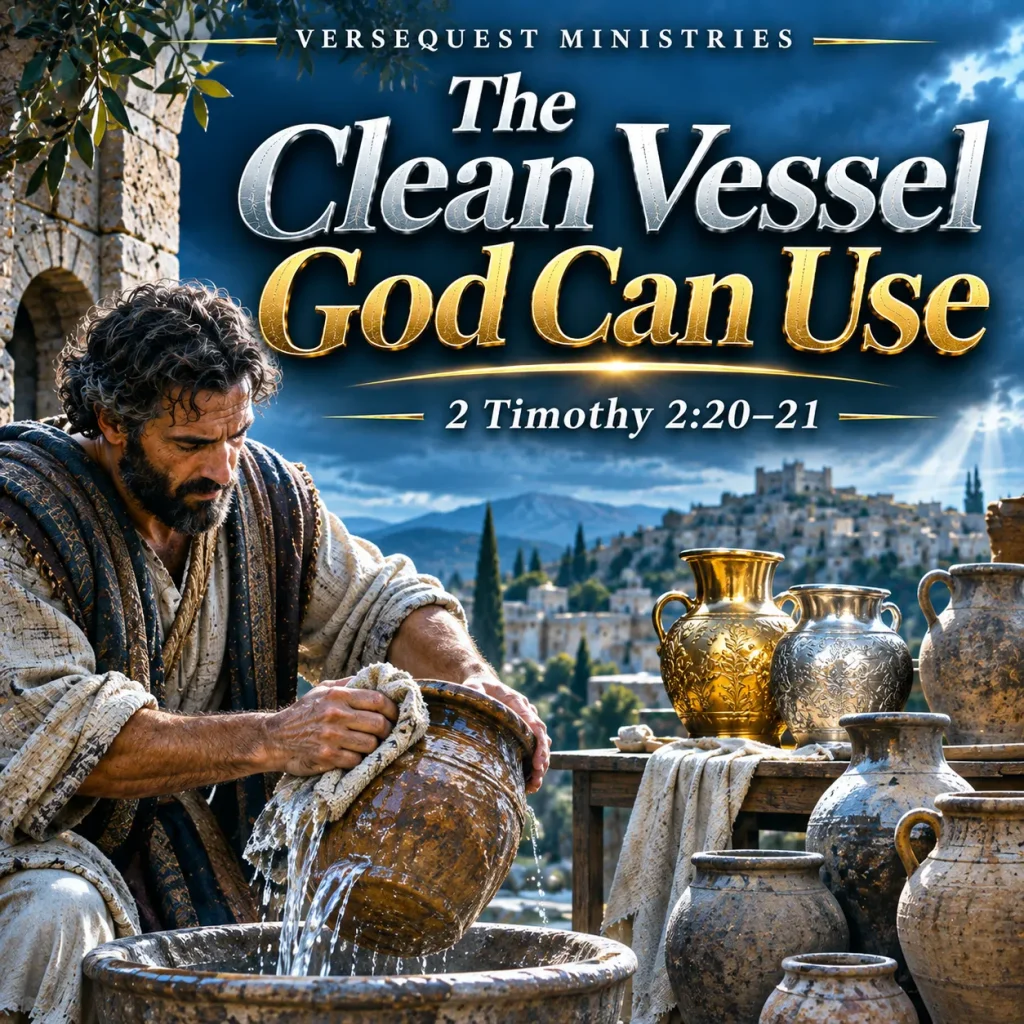
This detailed sermon outline examines 2 Timothy 2:20–21 and the Apostle Paul’s illustration of the great house containing vessels of gold, silver, wood, and earth, some unto honour and others unto dishonour. The message explains what it means for a believer to become “a vessel unto honour, sanctified, and meet for the master’s use, and prepared unto every good work,” while carefully establishing the passage’s immediate context within Paul’s warnings against false doctrine, profane and vain babblings, and the destructive teachings of Hymenaeus and Philetus concerning the resurrection. It explores why becoming a clean vessel requires more than outward religious respectability, emphasizing the necessity of purging oneself from corrupting doctrinal influences, departing from iniquity, maintaining sound biblical teaching, and pursuing practical holiness. The sermon carefully distinguishes salvation by grace through faith from sanctification and usefulness in Christian service, demonstrating that cleansing does not purchase eternal life but prepares a saved believer for honorable responsibilities before the Lord. Special attention is given to 2 Timothy 2:22–26, where Paul commands believers to flee youthful lusts, follow righteousness, faith, charity, and peace, avoid foolish disputes, and instruct those opposing the truth with gentleness, patience, and meekness. Drawing upon Romans 6, 2 Corinthians 4 and 7, Ephesians 2, Titus 2, and other Pauline passages, the outline also examines why spiritual usefulness depends upon faithfulness, doctrinal accuracy, godly character, and submission to Scripture rather than natural talent, popularity, education, or religious reputation. It further explains how the word of God prepares believers for good works and why Christian stewardship will ultimately be examined by Jesus Christ. Preachers, pastors, teachers, and Bible students will gain a comprehensive, KJV-based, rightly divided, sermon-ready framework for teaching doctrinal purity, biblical separation, practical sanctification, Christian usefulness, spiritual maturity, faithful ministry, and the believer’s responsibility to become a vessel prepared for the Master’s honorable use.