Topic: eternal security in Christ
-
November 12, 2026
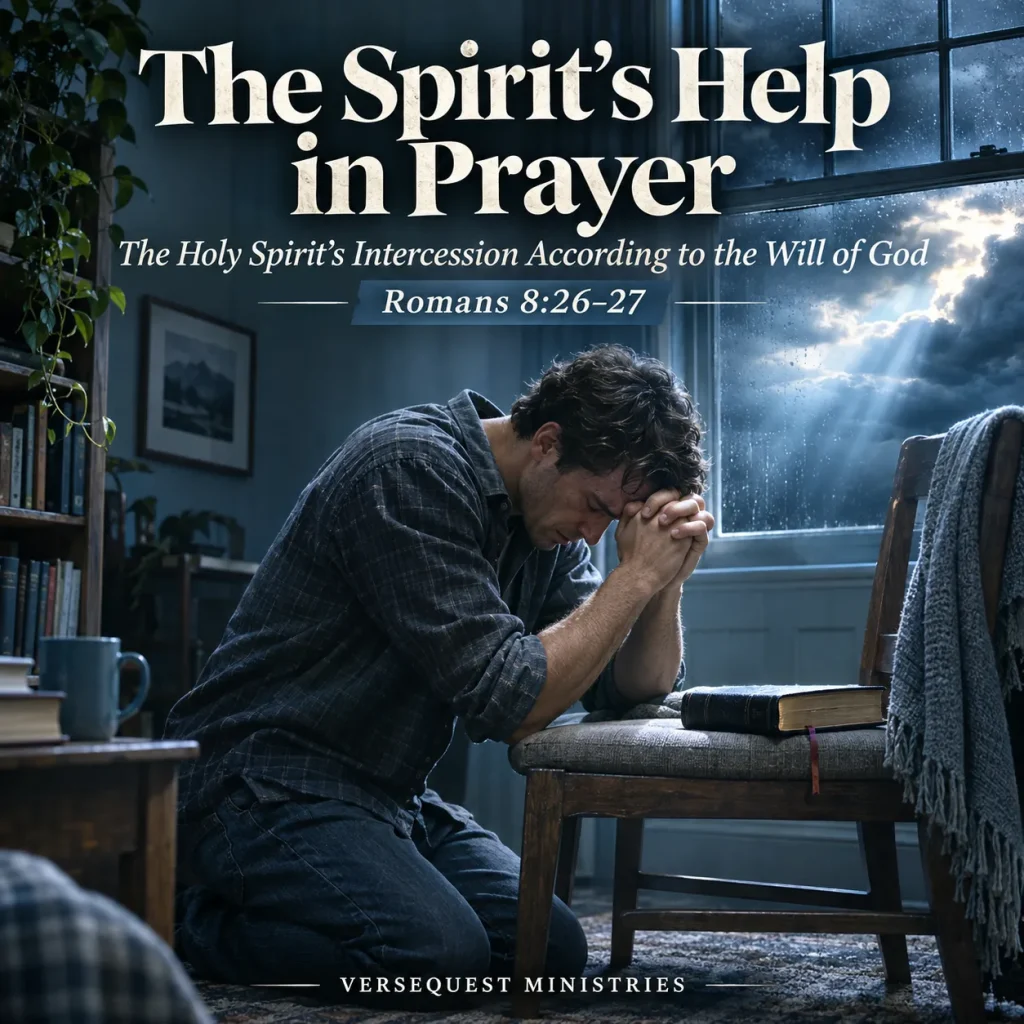
Series: Romans 8:26, The Spirit's Help in Prayer
Speaker: Paul Tackett
Topic: Christ's intercession Romans 8:34, Christian prayer and understanding, eternal security in Christ, groanings which cannot be uttered, Holy Spirit and prayer, Holy Spirit intercession, Indwelling Holy Spirit, intercession for the saints, KJV Sermon Outline, prayer in times of weakness, praying according to God’s will, rightly divided Bible teaching, Romans 8 Sermon Outline, Romans 8:26, Romans 8:26 and speaking in tongues, Romans 8:27, salvation by grace through faith, Spirit helpeth our infirmities, The Spirit's Help in Prayer, Walking in the Spirit
Book: Romans
This detailed sermon outline examines Romans 8:26 and the Apostle Paul’s remarkable declaration, “Likewise the Spirit also helpeth our infirmities: for we know not what we should pray for as we ought: but the Spirit itself maketh intercession for us with groanings which cannot be uttered,” revealing the divine assistance provided by the indwelling Holy Spirit when saved believers face weakness, suffering, uncertainty, and limitations in their understanding of prayer. The message carefully establishes the passage’s immediate context within Romans 8, where Paul explains the believer’s freedom from condemnation, the distinction between flesh and Spirit, the indwelling of the Holy Spirit, adoption into God’s family, present suffering, and the future redemption of the body. Special attention is given to the expressions “the Spirit also helpeth our infirmities,” “we know not what we should pray for as we ought,” and “groanings which cannot be uttered,” demonstrating why the believer’s limited knowledge does not prevent the Holy Spirit from providing divine help. The sermon examines Romans 8:22–27, distinguishing the groaning of creation, the believer’s longing for bodily redemption, and the Spirit’s unutterable intercession while explaining why this passage must not be misused to require Christians to speak in ecstatic or unintelligible prayer languages. Drawing upon Romans 8:27, the outline explores how the God who searches the hearts knows the mind of the Spirit and why the Spirit’s intercession operates according to the perfect will of God rather than the incomplete understanding or personal desires of the believer. The message also carefully distinguishes the Holy Spirit’s intercession within saved believers from the risen Lord Jesus Christ’s continuing intercession at the right hand of God in Romans 8:34, emphasizing Christ’s unique office as the one Mediator between God and men. Additional passages from Ephesians 1–2, Philippians 4, Colossians 4, 1 Thessalonians 5, and 1 Timothy 2 establish the believer’s responsibility to pray with understanding, thanksgiving, humility, perseverance, and scriptural discernment. The sermon further explains why the indwelling and sealing of the Holy Spirit occur upon believing the gospel, why salvation rests upon the finished work of Jesus Christ rather than extraordinary religious experiences, and how the certainty of God’s eternal purpose provides encouragement during suffering and unanswered requests. Preachers, pastors, teachers, and Bible students will gain a comprehensive, KJV-based, rightly divided, sermon-ready framework for teaching the Holy Spirit’s intercession, Christian prayer, human infirmities, the will of God, spiritual discernment, eternal security, and the believer’s continuing confidence in the Father, Son, and Holy Spirit.
-
November 6, 2026
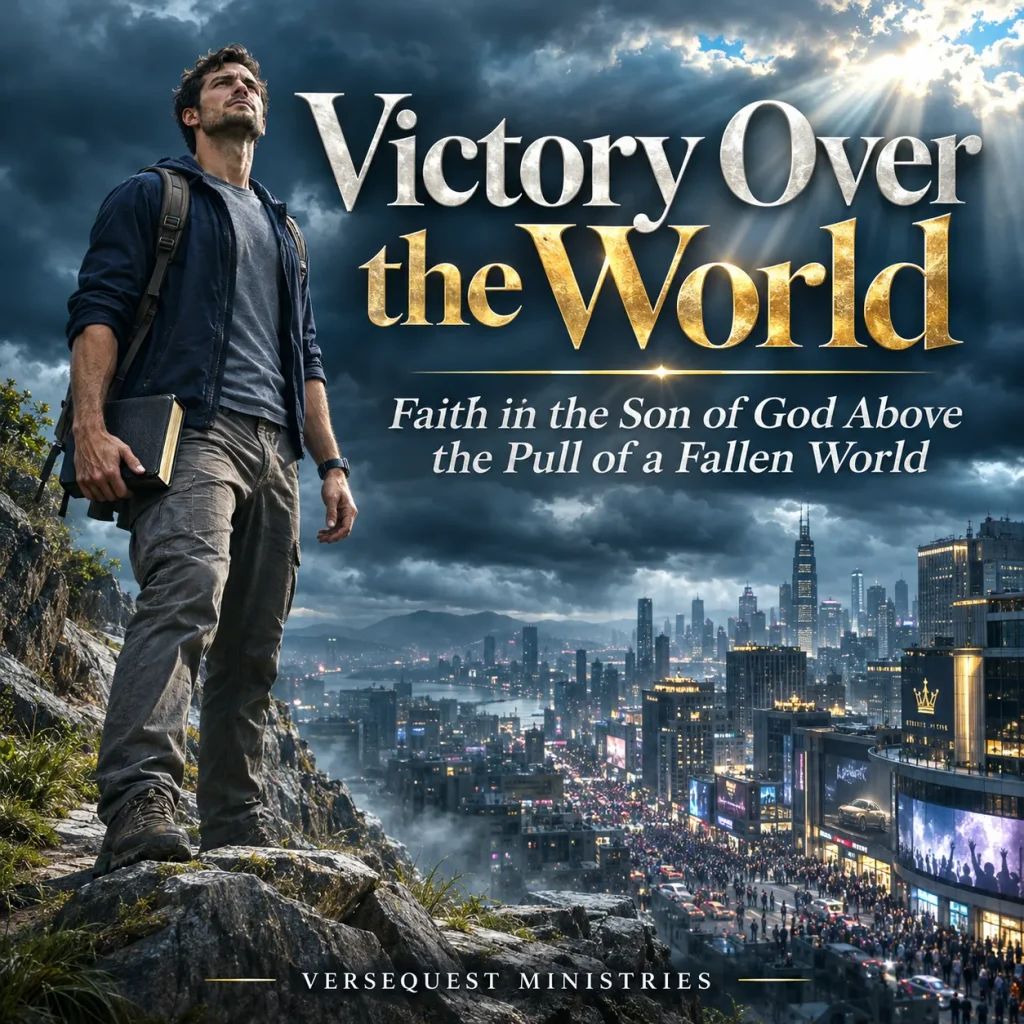
Series: 1 John 5:4, Victory Over the World
Speaker: Paul Tackett
Topic: 1 John 2:15–17, 1 John 5 sermon outline, 1 John 5:4, biblical spiritual warfare, Christ has overcome the world, Christian Perseverance, Christian victory over sin, eternal security in Christ, faith that overcomes the world, Jesus Christ the Son of God, KJV Sermon Outline, new birth in Christ, overcoming the world by faith, rightly divided Bible study, salvation by grace through faith, sound doctrine and discernment, Victory Over the World, Walking in the Spirit, whatsoever is born of God, worldly lusts and pride
Book: 1 John
This detailed sermon outline examines 1 John 5:4 and the Apostle John’s remarkable declaration, “For whatsoever is born of God overcometh the world: and this is the victory that overcometh the world, even our faith,” revealing the spiritual victory possessed by those who have been born of God through faith in Jesus Christ. The message establishes the passage’s immediate context within 1 John 5:1–5, where the new birth, faith in Jesus as the Christ and Son of God, love for fellow believers, obedience to God’s commandments, and overcoming the world are inseparably connected. It explains why biblical victory does not originate in human determination, religious performance, moral improvement, or the reforming of fallen flesh, but rests upon the saving work of Jesus Christ and the new spiritual life received through faith in Him. Special attention is given to 1 John 2:15–17, where believers are commanded not to love the world, and to the distinction between the physical creation, the lost people whom God desires to save, and the present fallen system characterized by the lust of the flesh, the lust of the eyes, and the pride of life. The sermon examines how worldly values, personal ambition, covetousness, false doctrine, fleshly desires, and the pursuit of human approval can hinder practical Christian faithfulness. Drawing upon Romans 6–8, Galatians 5, Ephesians 6, Colossians 3, and other Pauline passages, the outline explains why believers must walk in the Spirit, renew their minds through Scripture, refuse provision for the flesh, maintain sound doctrine, and exercise biblical discernment. It also examines why genuine spiritual victory should produce love, obedience, holiness, and perseverance without confusing those works with the requirements for obtaining or maintaining eternal salvation. The message further explores John 16:33, where Jesus Christ declares that He has overcome the world, demonstrating why biblical victory does not promise freedom from tribulation, suffering, persecution, or physical death. Finally, the outline emphasizes the assurance of eternal life in 1 John 5:11–13, the believer’s future bodily redemption, and the eternal significance of faithful Christian service. Preachers, pastors, teachers, and Bible students will gain a comprehensive, KJV-based, rightly divided, sermon-ready framework for teaching the new birth, saving faith, victory over worldly influences, practical sanctification, spiritual discernment, eternal security, Christian perseverance, and the everlasting triumph believers possess through the Lord Jesus Christ.