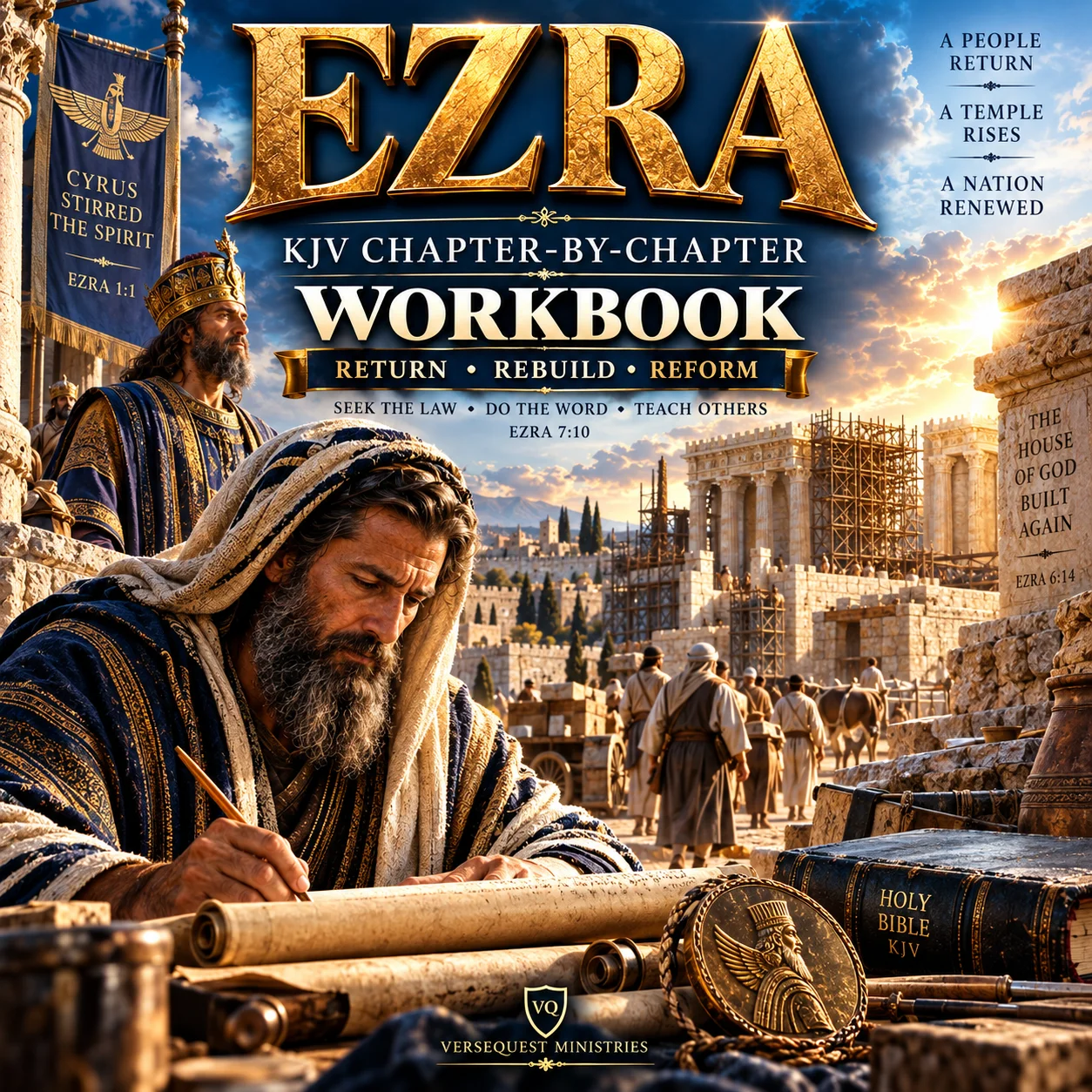
Ezra KJV Chapter-by-Chapter Workbook
The Ezra KJV Chapter-by-Chapter Workbook is a 270-page downloadable PDF Bible-study curriculum that guides you through all 10 chapters and 280 verses of Ezra with your King James Bible open beside you.
Study Cyrus’s decree, the returning remnant, genealogies, restoration of the altar, rebuilding of the Temple, opposition to the work, Haggai and Zechariah, Ezra the ready scribe, the good hand of God, prayer, confession, covenant faithfulness, and reform. Guided verse study, cross-references, doctrinal distinctions, special studies, written responses, charts, reviews, and personal note areas turn the book into an active study experience rather than passive reading.
Built around the principles of Return — Rebuild — Reform and Ezra’s example to seek, do, and teach the Word of God, this workbook is ideal for personal Bible study, homeschool curriculum, Sunday school, church classes, discipleship, and ministry training.
Digital PDF — 270 pages — $34.99
$34.99
Description
The Ezra KJV Chapter-by-Chapter Workbook is a comprehensive 270-page downloadable PDF Bible-study workbook designed to lead the student carefully through all 10 chapters and 280 verses of the book of Ezra. Built for active study rather than passive reading, this workbook guides the reader through the text chapter by chapter while providing room to investigate passages, follow cross-references, answer questions, record observations, summarize important truths, and make the study his own.
Ezra is the great Old Testament book of return, rebuilding, restoration, opposition, the Word of God, repentance, and reform. It opens with Cyrus king of Persia issuing the decree that permits the Jewish remnant to return to Jerusalem and rebuild the house of the LORD. From there, the reader follows the returning families, the restoration of the altar, the laying of the Temple foundation, the organized resistance against the work, the preaching of Haggai and Zechariah, the completion and dedication of the Temple, and finally the arrival and ministry of Ezra himself.
The workbook carefully examines the historical setting of the Persian period while continually bringing the student back to the actual wording of the King James Bible. Special attention is given to the decrees of Cyrus, Darius, and Artaxerxes; the returning remnant; the restored vessels of the Temple; the genealogical records; the altar and Temple foundation; opposition and political interference; the prophetic ministries of Haggai and Zechariah; Ezra’s identity as a priest and ready scribe; the good hand of God; the journey from Babylon; Ezra’s great prayer of confession; and the difficult events of chapters 9 and 10.
One of the central study principles of the workbook comes directly from Ezra 7:10: seek the law of the LORD, do it, and teach it. Throughout the workbook, the student is encouraged to move beyond merely collecting information. The goal is to read carefully, understand the passage in its proper setting, compare Scripture with Scripture, distinguish historical interpretation from legitimate spiritual application, and become capable of explaining what the text actually says.
Each chapter is developed as a complete interactive study unit. Students work through chapter focus material, principal movements, guided verse study, movement-by-movement exposition, people and decisions, KJV words in context, doctrine and right division, Scripture-with-Scripture cross-references, difficult passages, special studies, written reviews, teach-back exercises, and suggested answers. The design continually directs the reader back into the Bible itself.
The workbook also contains extensive supplemental study material beyond the ten chapter units. These materials help the reader understand the larger structure of Ezra, the chronology of the return, the rebuilding of the Temple, Persian rulers and decrees, the relationship between Ezra and Nehemiah, the prophetic background supplied by Haggai and Zechariah, the repeated theme of God’s hand upon His people, and the importance of distinguishing Israel’s covenant setting from doctrine directed to the New Testament church.
Because Ezra contains several passages frequently misunderstood or misapplied, special attention is given to right division. The workbook allows Israel, Jerusalem, the Temple, the Mosaic covenant, the priesthood, the land, and national restoration to remain in their proper biblical setting. Principles may be learned and applied without replacing Israel with the church or forcing Old Testament covenant commands into Church-age doctrine.
The Ezra KJV Chapter-by-Chapter Workbook can be used for personal Bible study, homeschool Bible curriculum, Sunday school, family study, church Bible classes, discipleship, ministry training, sermon preparation, and serious independent study. It is especially valuable for the student who wants more than a commentary to read. This is a workbook meant to be worked—Bible open, pen in hand, references being followed, observations being recorded, and conclusions being tested against Scripture.
The complete resource is supplied as a 270-page downloadable PDF and is available for $34.99.
Return From Babylonian Captivity — Ezra records the return of a Jewish remnant to Judah under Persian authority. God's Sovereignty Over Kings — Cyrus, Darius, and Artaxerxes demonstrate that God can use Gentile rulers to accomplish His purposes concerning Israel. The Decree of Cyrus — The opening proclamation connects Ezra directly with prophecy, captivity, restoration, and the rebuilding of God's house. The Returning Remnant — Not every captive returned; Ezra carefully records those who responded and went back to Jerusalem and Judah. Genealogy and Biblical Identity — Ezra 2 demonstrates the importance of families, priestly qualifications, records, and historical identity. Restoration of the Altar — Worship and sacrifice resume before the Temple structure is complete. Rebuilding the Temple — Chapters 3–6 trace foundation, interruption, prophetic encouragement, renewed building, completion, and dedication. Opposition to God's Work — Ezra records infiltration, discouragement, accusation, political pressure, intimidation, and governmental obstruction. Prophetic Encouragement — Haggai and Zechariah speak God's Word and help move the people back into obedience. Scripture and Authority — The rebuilding is repeatedly connected with what God had spoken and what was written. The Good Hand of God — Ezra repeatedly recognizes God's providential direction, protection, and favor. Ezra the Ready Scribe — Ezra demonstrates disciplined study, obedience, preparation, and teaching. Seek, Do, and Teach — Ezra 7:10 supplies a foundational model for serious Bible students. Prayer and Fasting — Ezra seeks God's direction and protection rather than treating the return merely as an administrative project. Stewardship and Accountability — The silver, gold, vessels, offerings, and entrusted property are carefully counted and weighed. Separation and Covenant Faithfulness — Chapters 9–10 address serious covenant violations among the returned remnant. Confession and Repentance — Ezra identifies himself with the national condition and confesses before God. Israel and the Church Distinguished — The events concern Israel, Judah, Jerusalem, the Temple, the priesthood, and Mosaic covenant obligations. Prophetic Restoration — The historical return from Babylon anticipates larger biblical themes concerning God's continuing purposes for Israel. Restoration Is More Than Construction — Ezra progresses from rebuilding a house to correcting the spiritual condition of the people.
Ezra begins exactly where Second Chronicles ends: Cyrus issues the decree allowing the Jews to return and rebuild the house of the LORD at Jerusalem. That deliberate connection should be observed before studying the individual chapters.
The book naturally divides into two major historical movements. Ezra 1–6 centers upon Zerubbabel, the returning remnant, and rebuilding the Temple. Ezra 7–10 centers upon Ezra, the law of God, spiritual correction, and reform.
A useful summary of the book is Return — Rebuild — Reform.
Ezra demonstrates that restoration frequently begins with God stirring hearts. Cyrus is stirred to issue the decree, and members of the remnant are stirred to return.
The student should notice that the altar is restored before the Temple is completed. Worship according to God’s revealed order is treated as foundational.
Ezra 2 should not be dismissed as an unimportant list. Genealogy, family identity, priestly qualifications, historical continuity, and the composition of the returning remnant all matter enough for God to record them.
The comparison between Ezra 2 and Nehemiah 7 provides an excellent exercise in careful Bible study. Apparent differences should be examined rather than ignored or used as an excuse for attacking Scripture.
Opposition in Ezra develops progressively. The adversaries initially offer assistance, but when that offer is rejected they move toward weakening hands, troubling builders, hiring counsellors, writing accusations, and ultimately obtaining government intervention.
Ezra 5 demonstrates the power of prophetic preaching. Haggai and Zechariah speak, and the work resumes.
God uses the very governmental system that had hindered the work to protect and finance its continuation under Darius. Opposition never places God outside His ability to accomplish His purpose.
Ezra 7:10 is central to the entire book and to serious Bible education: Ezra prepared his heart, sought the law of the LORD, did it, and taught it. Knowledge without obedience is not the biblical model.
The phrase concerning the hand of God should be traced through Ezra. Ezra repeatedly recognizes divine providence rather than presenting his success merely as personal leadership skill.
Ezra 8 provides an important study in faith and stewardship. The returned company seeks God for protection, yet the valuable treasure entrusted to them is still carefully weighed, guarded, and accounted for.
Ezra’s prayer in chapter 9 should be compared with Daniel 9 and Nehemiah 9. All three contain national confession rooted in biblical history and covenant reality.
Chapters 9–10 require careful right division. The historical issue concerns Israel under Old Testament covenant obligations. Ezra 10 should not be treated casually as a universal New Testament divorce command. Historical interpretation must precede application.
A major question running through the book is whether physical restoration alone is enough. Ezra answers no. The Temple can be rebuilt while the people themselves still require correction by the Word of God.
Another important question is how God’s promises concerning Israel relate to the return from Babylon. The return recorded in Ezra is real and significant, but it does not exhaust every prophetic promise concerning Israel, Jerusalem, and the kingdom.
The workbook is especially suited to personal Bible study because it forces the reader to interact directly with Ezra rather than merely reading a summary. Students are repeatedly asked to examine verses, identify principal movements, follow cross-references, define terms from context, answer questions, and put conclusions into their own words.
For homeschool Bible curriculum, the workbook provides a structured study through an entire Old Testament book. Parents can assign chapter reading, verse investigations, written observations, special studies, reviews, charts, and teach-back exercises while allowing students to build a permanent record of their work.
For Sunday school and church Bible classes, each chapter contains enough material to support multiple teaching sessions. Teachers can develop lessons around Cyrus, the return, the altar, the Temple, opposition, Haggai and Zechariah, Ezra the scribe, prayer, separation, confession, and restoration.
Pastors and preachers can use the workbook for sermon preparation by mining chapter structures, significant passages, historical context, doctrinal distinctions, cross-references, and recurring themes.
Small groups can use Ezra as a study in restoration, opposition, spiritual priorities, obedience, prayer, and the authority of Scripture while still respecting the historical and dispensational setting of the passages.
For Bible institutes and ministry training, the workbook helps teach sound study habits: observation before application, Scripture compared with Scripture, attention to context, recognition of historical setting, doctrinal classification, and careful right division.
Family Bible study can also benefit from the workbook because the guided questions and written exercises provide natural discussion points without requiring the parent or teacher to invent an entire curriculum from scratch.
A King James Bible should remain open throughout the study and serves as the final authority for interpretation and doctrine.
A Strong's Exhaustive Concordance or comparable KJV concordance is helpful for tracing words such as house, Jerusalem, law, hand, build, remnant, and return.
A good Bible dictionary can assist with Persian rulers, Jewish offices, priests, Levites, Temple vessels, ancient measurements, geographical locations, and historical terminology.
Bible maps of the Babylonian and Persian periods are useful for locating Babylon, Shushan, Jerusalem, Judah, the Euphrates region, and the route taken by returning exiles.
A Persian-period chronology can help students distinguish Cyrus, Darius, Ahasuerus, Artaxerxes, Zerubbabel, Jeshua, Ezra, and Nehemiah.
The books of 2 Chronicles, Nehemiah, Haggai, Zechariah, Daniel, Isaiah, and Jeremiah should be studied alongside Ezra because they provide essential historical and prophetic connections.
The 2 Chronicles KJV Chapter-by-Chapter Workbook is an especially useful companion because Second Chronicles ends with the decree of Cyrus that begins Ezra.
The Nehemiah KJV Chapter-by-Chapter Workbook naturally continues the restoration-era study with Jerusalem's walls, Ezra's public ministry of the Word, covenant renewal, and Nehemiah's reforms.
Cross-reference tools and chronological Bible charts can be particularly valuable when studying Ezra 2 alongside Nehemiah 7 and when tracing the various Persian decrees.
Related products
-
Angels
-
-67%
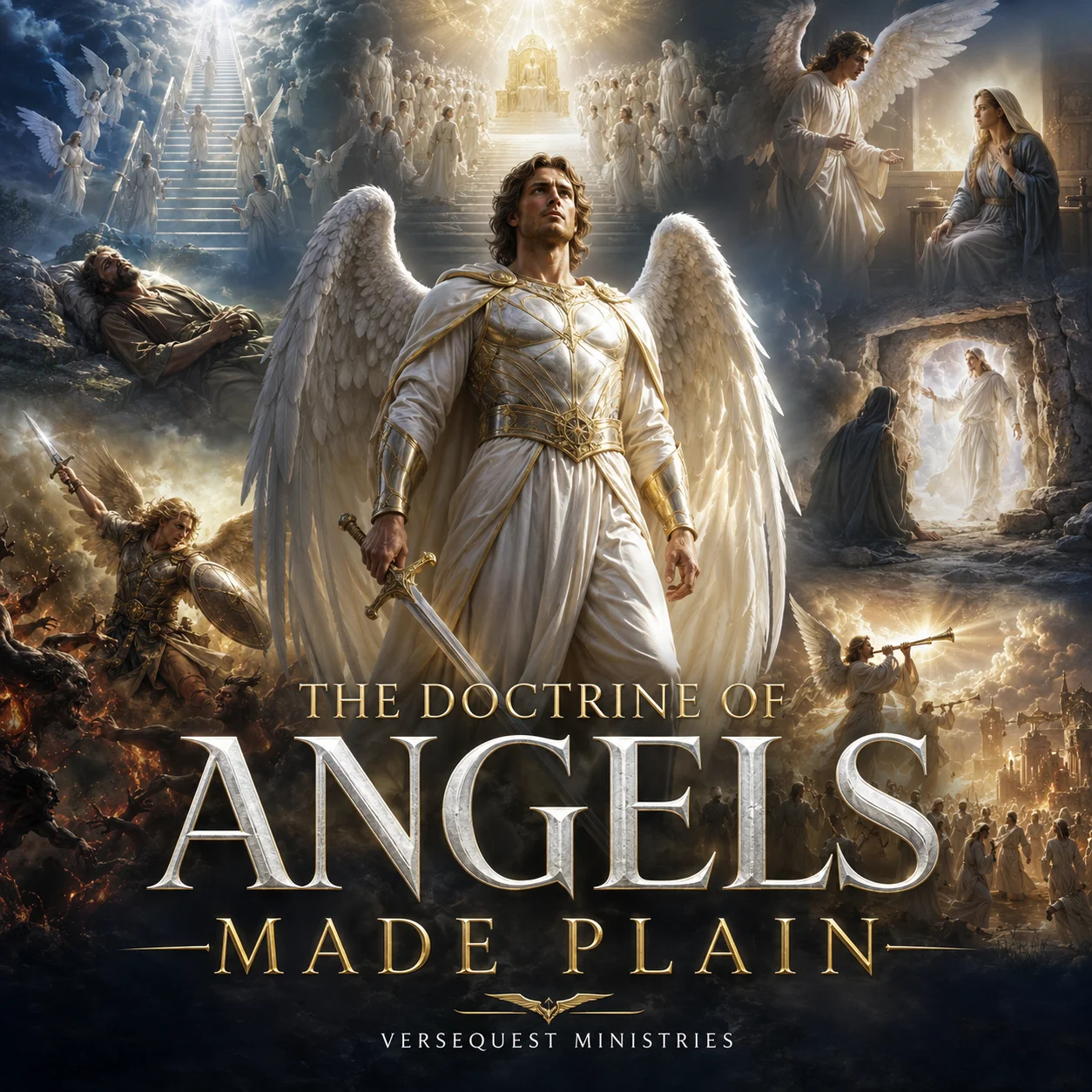
- The Doctrine of Angels Made Plain – 620-Page KJV Bible Study PDF
- The Doctrine of Angels Made Plain is a 620-page KJV Bible study that traces angels from Genesis to Revelation. This premium VerseQuest PDF explains holy angels, Christ’s supremacy over angels,…
- Original price was: $29.99.$9.99Current price is: $9.99.
- Add to cart
-
-67%
-
KJV Studies
-
-67%
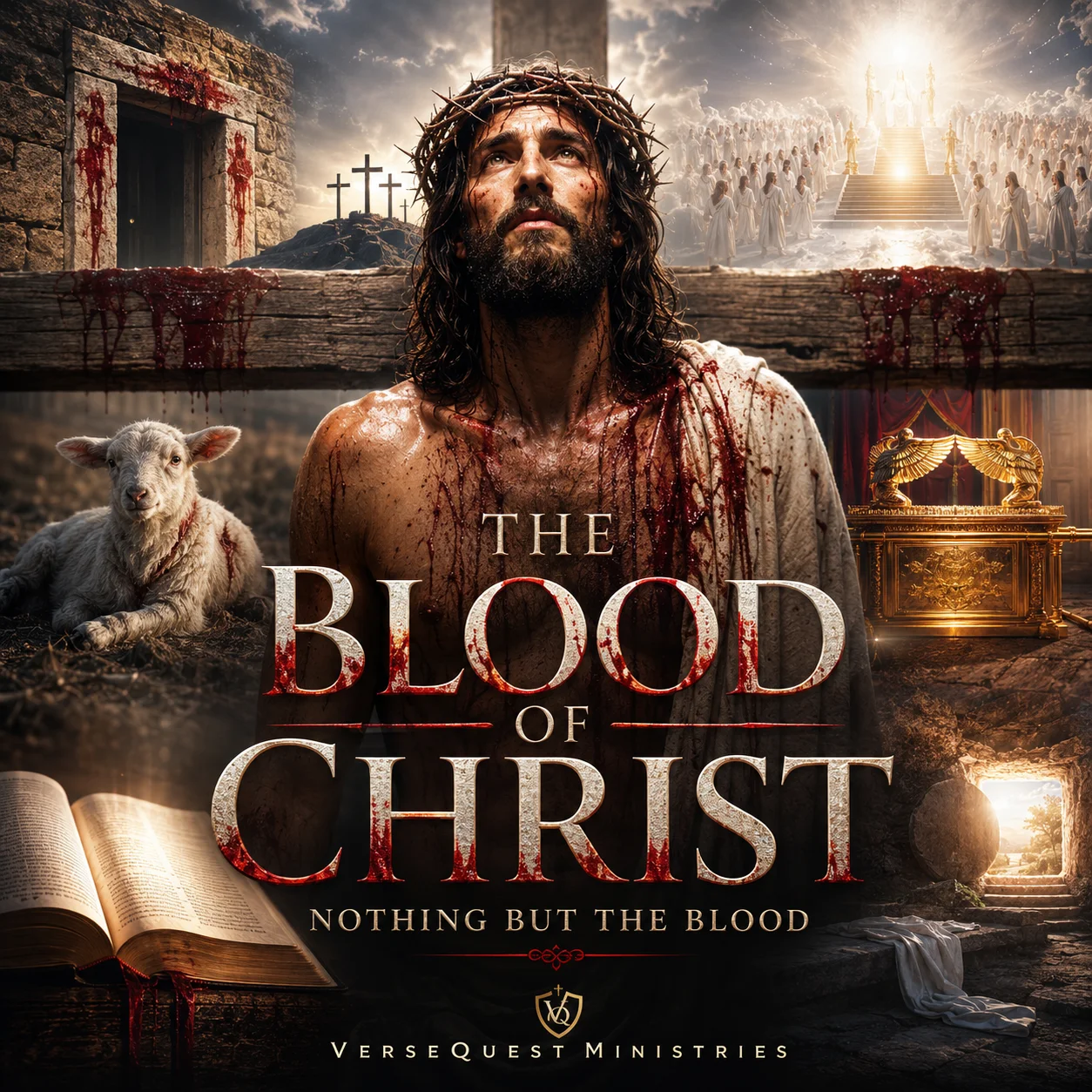
- The Blood of Christ – 66-Study KJV Bible Doctrine PDF
- A 441-page premium VerseQuest PDF featuring 66 detailed KJV Bible studies on the blood of Jesus Christ. This powerful doctrinal resource covers redemption, justification, propitiation, cleansing, access to God, eternal…
- Original price was: $29.99.$9.99Current price is: $9.99.
- Add to cart
-
-67%
-
The Rapture
-
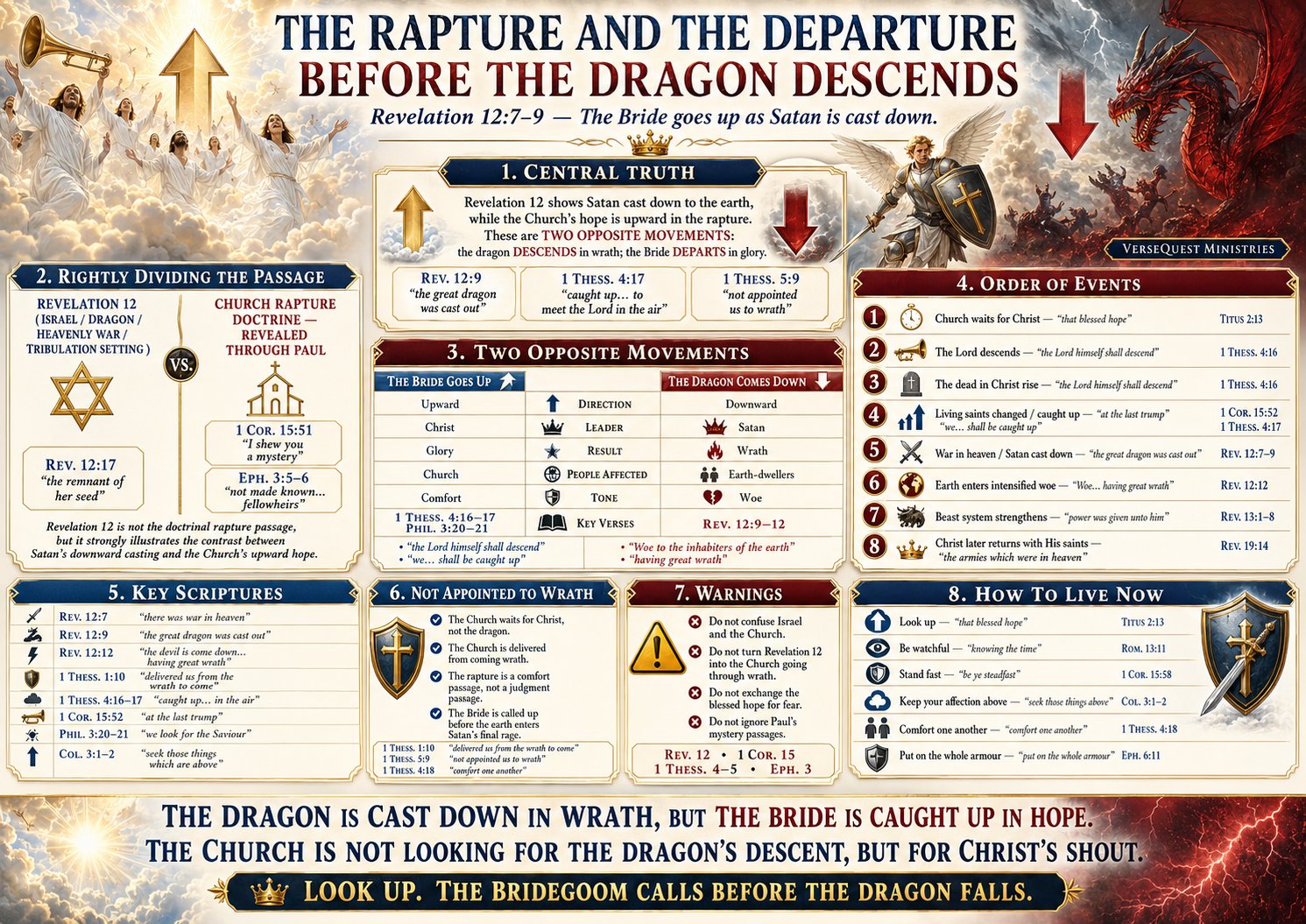
- The Rapture and the Departure Before the Dragon Descends – Printable Bible Study Chart
- Printable KJV Bible study chart on The Rapture and the Departure Before the Dragon Descends, showing the Bride caught up before Satan is cast down in wrath. This premium VerseQuest…
- $4.99
- Add to cart
-
-
Doctrine Series
-
Doctrine Series
-
-14%
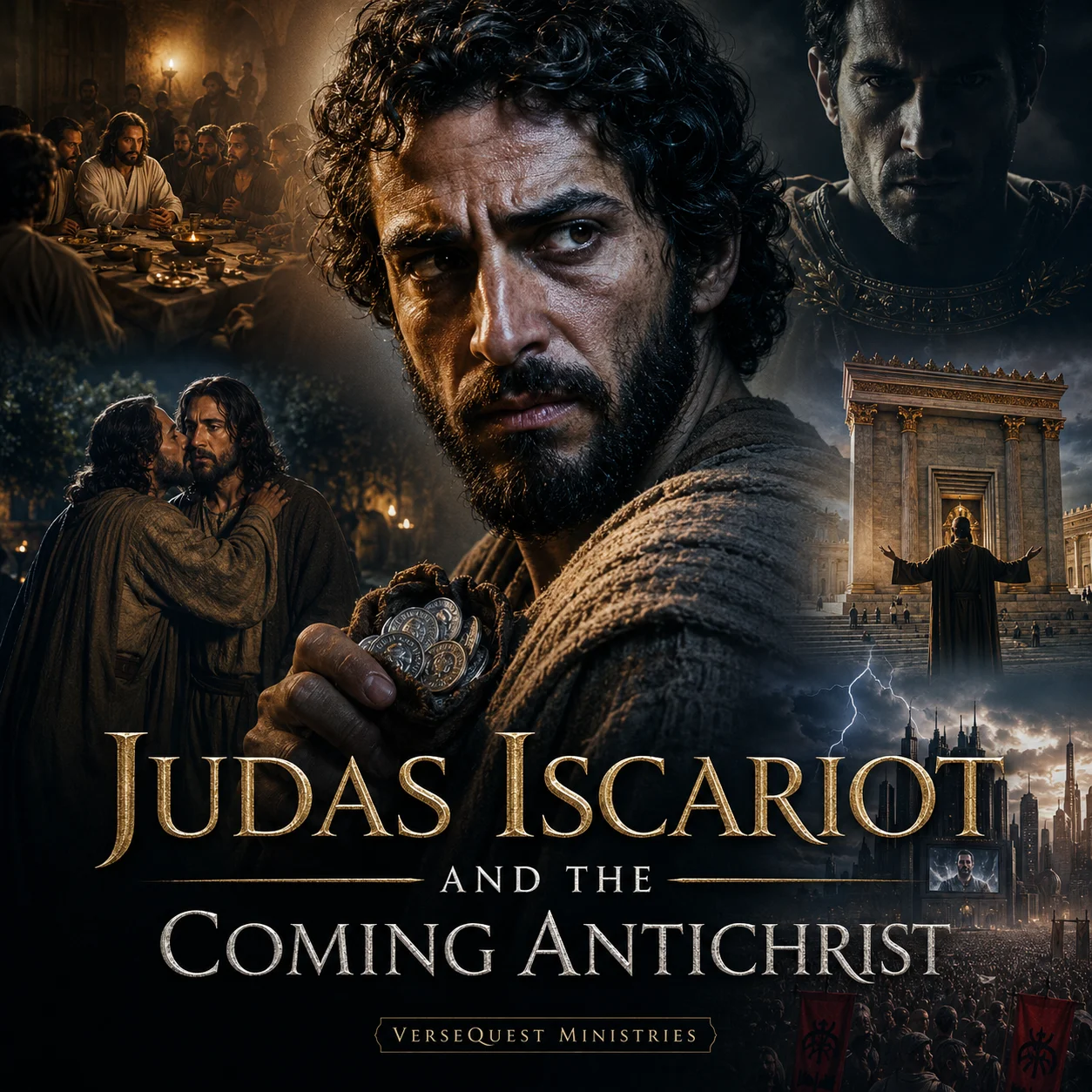
- Judas Iscariot and the Coming Antichrist – Premium KJV Prophecy Study
- A massive 459-page premium KJV prophecy study tracing the biblical connection between Judas Iscariot, the son of perdition, and the coming Antichrist. This detailed VerseQuest Ministries PDF examines Judas’ betrayal,…
- Original price was: $34.99.$29.99Current price is: $29.99.
- Add to cart
-
-14%