
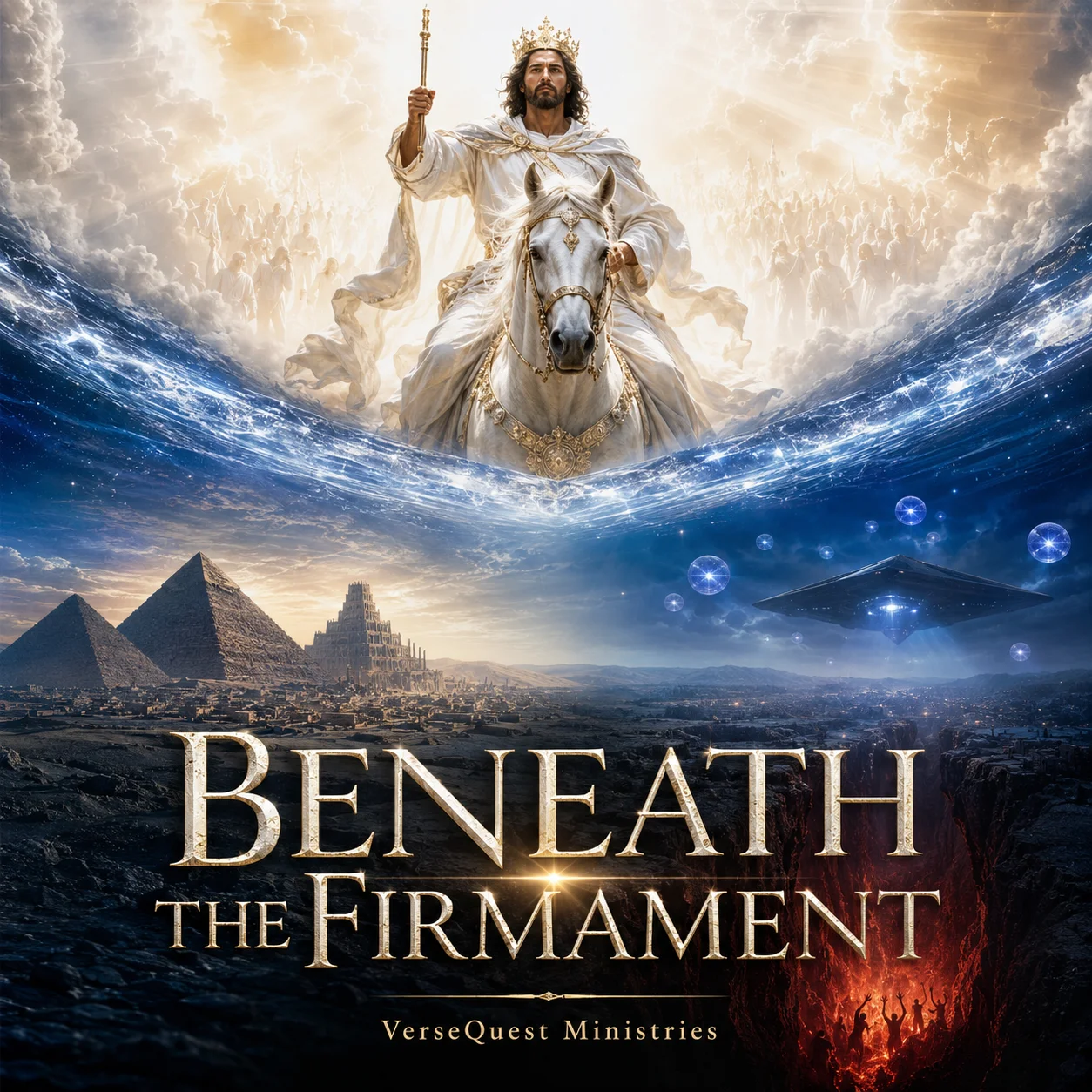
Beneath the Firmament: Pyramids, UFOs, Ancient Rebellion, and the Coming King — 404-Page PDF Book
Beneath the Firmament is a 404-page downloadable PDF containing 60 substantial KJV-centered studies divided into two books. Pyramids Beneath the Firmament investigates Babel, Nimrod, ancient engineering, worldwide pyramid traditions, sacred mountains, giants, disputed theories, and Jesus Christ as the rejected Headstone. UFOs Beneath the Firmament examines the biblical heavens, heavenly hosts, Genesis 6, fallen powers, UFO explanations, false disclosure, Revelation’s bottomless-pit army, Antichrist, and the returning King.
The book includes a thorough introduction, 30 pyramid studies, 30 UFO studies, a comprehensive conclusion, and two richly illustrated VerseQuest Bible-study charts. It is designed for personal study, sermon preparation, Sunday school teaching, prophecy study, classroom instruction, and careful investigation of subjects too often controlled by either official dismissal or uncontrolled speculation.
This complete 404-page digital study is available as a downloadable PDF for $19.99.
$19.99
Description
Beneath the Firmament is a substantial 404-page downloadable PDF containing 60 original, KJV-centered studies divided into two complete books. Book One, Pyramids Beneath the Firmament, presents 30 studies examining Babel, Nimrod, artificial sacred mountains, ancient engineering, worldwide pyramid traditions, religious symbolism, disputed archaeological claims, and the prophetic significance of the rejected Headstone. Book Two, UFOs Beneath the Firmament, contains 30 studies examining the biblical heavens, heavenly hosts, fallen powers, Genesis 6, unidentified aerial phenomena, supernatural deception, the bottomless pit, Revelation’s prophetic creatures, Antichrist, and the victorious return of Jesus Christ.
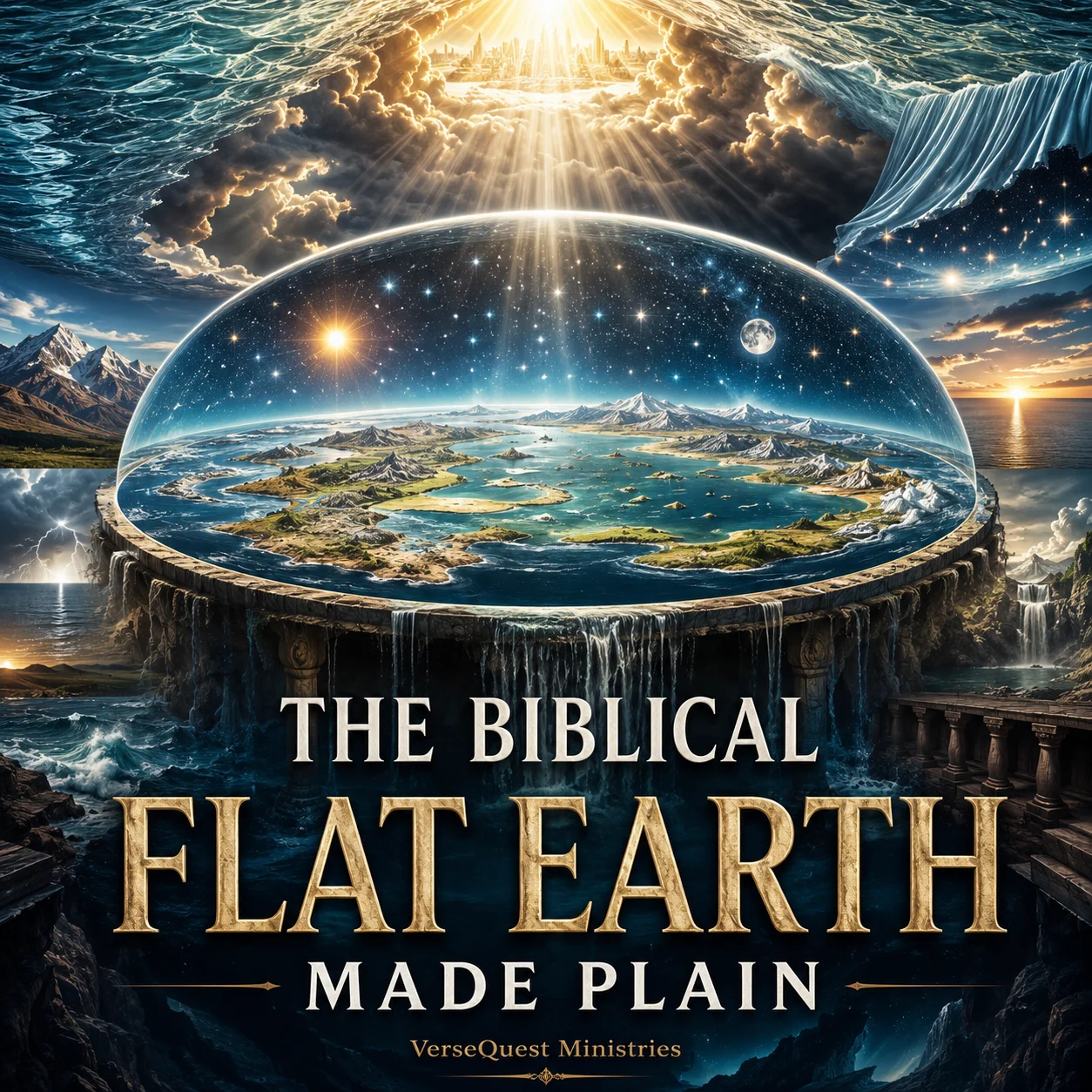
The first half begins with the world described in Genesis: an intentionally constructed habitation beneath God’s firmament. Against that biblical architecture, pyramids emerge as more than impressive piles of stone. They become witnesses to mankind’s intelligence, religious ambitions, centralized government, sacred kingship, pursuit of forbidden knowledge, and repeated desire to ascend without submitting to the God above. The studies move from Babel and Nimrod through Egypt, Nubia, Mesoamerica, the Andes, Asia, pre-Flood knowledge, giants, sacrificial systems, serpent symbolism, disputed chronologies, pyramid measurements, and the difference between legitimate evidence and sensational speculation.
The second half challenges the modern assumption that every genuinely nonhuman intelligence must be a biological traveler from another planet. The King James Bible already supplies an extensive vocabulary for an inhabited and contested creation: angels, cherubim, heavenly hosts, principalities, powers, devils, unclean spirits, giants, pit creatures, lying wonders, and spiritual wickedness in high places. These studies examine chariots of fire, Ezekiel’s wheels, the sons of God, the days of Noah, reported abduction patterns, secret technology, cultural conditioning, “alien” religious messages, false disclosure, and the army that Revelation says will ascend from the bottomless pit.
This book does not ask the reader to accept every unusual photograph, independent theory, official explanation, or internet claim. It establishes a disciplined evidence scale that distinguishes what is biblically explicit, historically established, strongly supported, plausible, contested, speculative, or disproven. Institutions can conceal, dismiss, or misinterpret evidence, but alternative researchers can also exaggerate it. The governing rule remains, “Prove all things; hold fast that which is good” (1 Thessalonians 5:21).
Throughout the book, Scripture remains the final authority. Pyramids may illuminate ancient history, but they cannot become a second Bible. Unexplained lights may raise legitimate questions, but they cannot overturn the gospel. A remarkable monument cannot correct a verse, and a glowing manifestation cannot preach another Christ. Every stone, sign, spirit, theory, and reported wonder must be brought before the written word of God.
The book concludes where biblical investigation should always conclude: with Jesus Christ. Men built mountains upward, but the Son of God came down. The builders rejected the Headstone, but He is returning to crush the kingdoms of this world. The mystery does not end with a hidden chamber, government disclosure, or visitors from the stars. It ends when heaven opens and the Creator appears as KING OF KINGS, AND LORD OF LORDS.
The downloadable edition includes the complete introduction, all 60 studies, a comprehensive conclusion, and two richly illustrated VerseQuest Bible-study charts. The 404-page PDF is designed for reading, saving, printing, sermon preparation, topical teaching, and long-term personal study. It is available for $19.99.
The physical and spiritual architecture of creation beneath God’s firmament The waters above, the great deep, heavenly windows, and the sea of glass Babel as the foundational pattern of centralized human rebellion Nimrod’s kingdom and the machinery of post-Flood civilization Ancient intelligence, engineering, metallurgy, mathematics, and social organization Pyramids, ziggurats, burial mounds, sacred platforms, and artificial mountains Worldwide architectural similarities and possible post-Babel cultural memory Egypt’s biblical association with bondage, idolatry, occult wisdom, and worldly strength The limits of pyramid measurements, chronology systems, and architectural prophecy The distinction between useful illustration and established doctrine The rejected Headstone and the prophetic Stone cut without hands Pre-Flood knowledge and what Noah’s family may have carried into the new world Giants, corrupted bloodlines, and the danger of turning possibilities into claims of proof Pagan high places, sacred kingship, blood sacrifice, and serpent symbolism The difference between established archaeology and sensational identification The biblical identity of stars, heavenly hosts, angels, and spiritual authorities Chariots of fire, Ezekiel’s wheels, cherubim, and the throne of God The sons of God, Genesis 6, forbidden unions, and the days of Noah Distinctions among angels, fallen angels, principalities, devils, giants, and pit creatures Natural, technological, psychological, fraudulent, governmental, and supernatural explanations for UFO reports The “alien” message as a possible space-age disguise for ancient spiritual deception Evolution, genetic ascension, cosmic unity, and technological salvation as counterfeit doctrines The bottomless pit, Revelation’s locust army, and Apollyon the Destroyer Signs and lying wonders during the Tribulation The False Prophet, Antichrist, global worship, and prophetic delusion The distinction between the Rapture and the Second Advent Jesus Christ as Creator, rejected Stone, returning King, and final Victor
Central Argument
The King James Bible presents mankind as living in an intentionally ordered creation beneath God’s firmament. Pyramids and UFO phenomena must therefore be interpreted within the biblical record of creation, the Flood, Babel, heavenly beings, fallen powers, supernatural rebellion, prophetic judgment, and Christ’s coming kingdom.
Major Observations
- Ancient mankind was morally fallen but intellectually capable.
- Babel combined government, religion, technology, unity, and rebellion.
- Pyramid forms developed differently across civilizations and should not be forced into one universal explanation.
- Similarity can indicate shared memory or recurring religious instincts without proving identical builders.
- Archaeological complexity challenges simplistic evolutionary presentations of ancient man.
- A monument can preserve historical information without becoming inspired revelation.
- Unidentified does not automatically mean extraterrestrial.
- A physical sighting and the interpretation attached to it are two different matters.
- Modern culture has been trained to interpret nonhuman intelligence through evolutionary space mythology.
- Revelation’s clearest nonhuman invasion originates in the bottomless pit rather than another planet.
- Supernatural power never excuses doctrinal error.
- Every investigation must finally direct attention toward Jesus Christ rather than the mystery itself.
Important Distinctions
- Scripture and speculation: Scripture is authoritative; speculation must remain labeled.
- Evidence and interpretation: Evidence may be genuine while the explanation attached to it is false.
- Illustration and proof: A missing capstone may illustrate Christ without proving that a pyramid was divinely inspired.
- Angels and devils: These terms should not be treated automatically as identical categories.
- Giants and fallen angels: Embodied giants, rebellious angels, and unclean spirits require careful distinctions.
- Human technology and supernatural manifestation: Some sightings may involve secret aircraft while others may require different explanations.
- Rapture and Second Advent: The Church’s catching away is not the same event as Christ’s visible return in judgment.
- The Church and the Tribulation: Present salvation by grace must not be confused with Israel, signs, judgments, and Antichrist’s future program.
Doctrinal Conclusions
- God’s words remain the final authority over archaeology, institutional science, personal experience, and supernatural signs.
- The ancient world possessed greater intelligence and organization than the primitive-man narrative commonly allows.
- False religion repeatedly imitates divine truth while redirecting worship toward the creature.
- Spiritual beings can appear powerful, brilliant, persuasive, and deceptive.
- The end-time delusion will exploit mankind’s rejection of biblical truth.
- Antichrist offers unity, power, signs, and worship without the true Christ.
- Jesus Christ will destroy every human and supernatural kingdom raised against Him.
Memorable Teaching Points
- Scripture judges the pyramid; the pyramid does not interpret Scripture.
- The ancients were fallen, not brainless.
- A heavy stone can crush a flimsy textbook, but it cannot carry a theory without evidence.
- Thinking outside the approved box does not mean throwing away the ruler.
- “Alien” is often the word modern man uses after discarding biblical vocabulary.
- Science fiction has taken Bible furniture, painted it silver, and sold it back as extraterrestrial machinery.
- Power does not prove truth; a liar can arrive with stage lighting.
- The world may be staring upward while the bottomless pit prepares to open beneath it.
- Men built upward; Christ came down.
- The mystery does not conclude with disclosure but with the appearing of the Truth.
Questions for Further Study
- How does the firmament affect the interpretation of biblical heavenly geography?
- What cultural memories could the nations have carried away from Babel?
- Which pyramid similarities are structural necessities, and which appear religious or symbolic?
- How should Isaiah 19:19 be understood within its prophetic context?
- What does the Bible explicitly reveal about the sons of God and giants?
- How are angels, devils, principalities, powers, and pit creatures distinguished?
- What doctrines commonly accompany alleged extraterrestrial messages?
- How might signs and lying wonders reshape the world’s interpretation of prophecy?
- Why does Revelation emphasize hostile powers ascending from below?
- How does the return of Jesus Christ answer both human rebellion and supernatural revolt?
This resource can serve as an extended personal Bible-study course. A reader may study one essay at a time, compare its primary passages with the cross-references, record observations, and build a biblical vocabulary for subjects usually controlled by archaeology programs, science fiction, documentaries, or speculative internet content.
Pastors and preachers can use the 60 studies as foundations for topical sermons, prophecy conferences, doctrinal lessons, or extended preaching series. Each essay presents a governing passage, a clear subject, necessary doctrinal distinctions, memorable illustrations, and practical warnings that can be adapted into sermon outlines.
Sunday school teachers and small-group leaders can divide the material into two 30-lesson units. The first unit can address Babel, pyramids, ancient civilization, idolatry, and Christ the Headstone. The second can address biblical cosmology, angels, Genesis 6, UFO claims, supernatural deception, Revelation 9, and the return of Christ.
Families with older children or teenagers can use selected studies to discuss creation, ancient history, media conditioning, science fiction, spiritual warfare, and the importance of testing every claim by Scripture. Adults should preview chapters involving sacrifice, mutilation reports, abduction claims, and Tribulation judgments before using them with younger readers.
Bible institutes, homeschool programs, and ministry-training classes can employ the book for topical instruction in biblical cosmology, apologetics, prophecy, comparative religion, archaeological interpretation, and evidential discernment. The two concluding charts provide visual review tools for classroom instruction and group discussion.
The book can also assist readers who are interested in unusual phenomena but need help distinguishing investigation from gullibility. It offers a disciplined method for separating explicit Scripture, established history, reasonable inference, speculation, and disproven claims.
A King James Bible with wide margins for recording cross-references and doctrinal observations
Strong’s Exhaustive Concordance for locating biblical terms such as firmament, host, star, angel, pit, deep, giant, serpent, and wonder
The Treasury of Scripture Knowledge for tracing connected passages across both Testaments
A reliable King James Bible dictionary for historical terminology, ancient measurements, locations, kingdoms, and religious practices
A Bible atlas containing maps of Egypt, Shinar, Babylon, Assyria, Canaan, Asia Minor, and the prophetic world
A chronological Bible timeline for comparing the Flood, Babel, patriarchal history, Egyptian dynasties, Israel, the Gentile kingdoms, and prophetic events
Comparative maps and archaeological diagrams of Egypt, Nubia, Mesopotamia, Mesoamerica, the Andes, and ancient Asian burial complexes
A topical study of Genesis 1–11 covering creation, the Flood, the sons of God, Nimrod, Babel, and the Table of Nations
A verse-by-verse study of Ezekiel 1 and 10 to distinguish cherubim and God’s throne from ancient-alien interpretations
A rightly divided study of Daniel, 2 Thessalonians, and Revelation for understanding the Tribulation, Antichrist, the bottomless pit, and the Second Advent
A doctrinal study of angels, devils, principalities, powers, giants, and spiritual warfare
A comparative study of the Rapture and Second Advent to preserve their different participants, timing, purpose, and prophetic setting
Related products
-
Bible Prophecy Charts
-
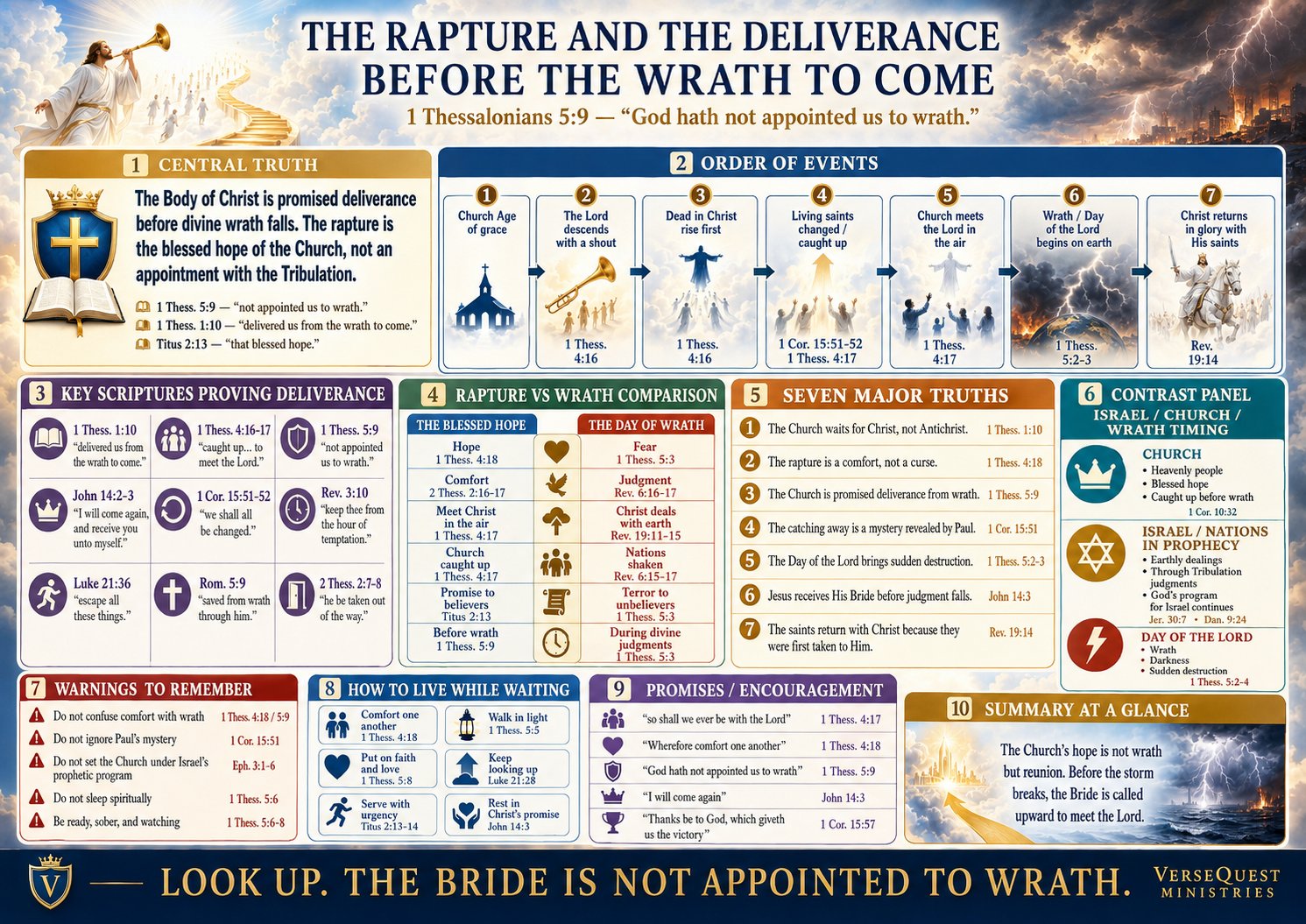
- The Rapture and the Deliverance Before the Wrath to Come – Printable Bible Study Chart
- Printable KJV Bible study chart on The Rapture and the Deliverance Before the Wrath to Come, showing from 1 Thessalonians 5:9 that the Church is not appointed to wrath. This…
- $4.99
- Add to cart
-
-
Angels
-
-67%
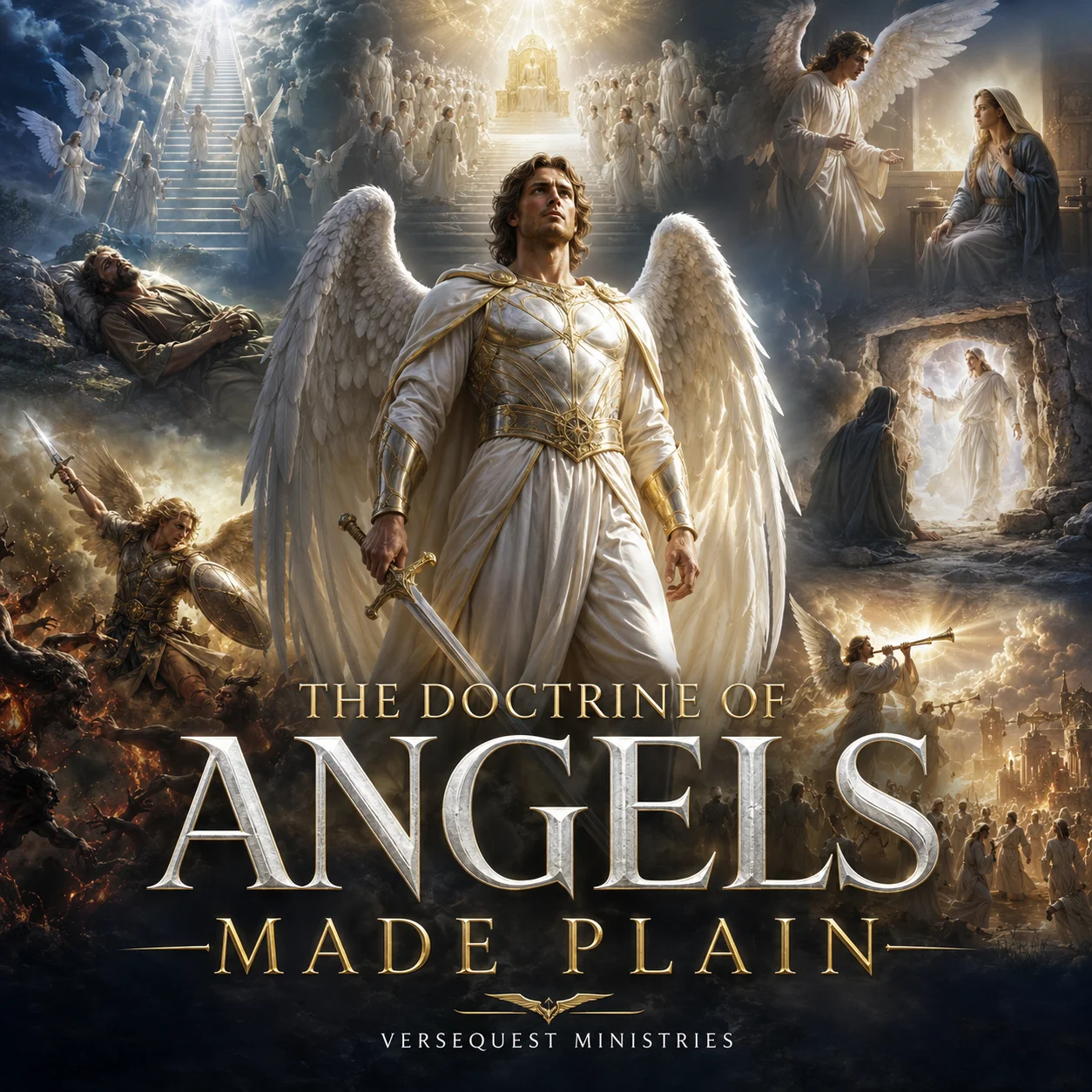
- The Doctrine of Angels Made Plain – 620-Page KJV Bible Study PDF
- The Doctrine of Angels Made Plain is a 620-page KJV Bible study that traces angels from Genesis to Revelation. This premium VerseQuest PDF explains holy angels, Christ’s supremacy over angels,…
- Original price was: $29.99.$9.99Current price is: $9.99.
- Add to cart
-
-67%
-
Study Books (PDF)
-
-25%
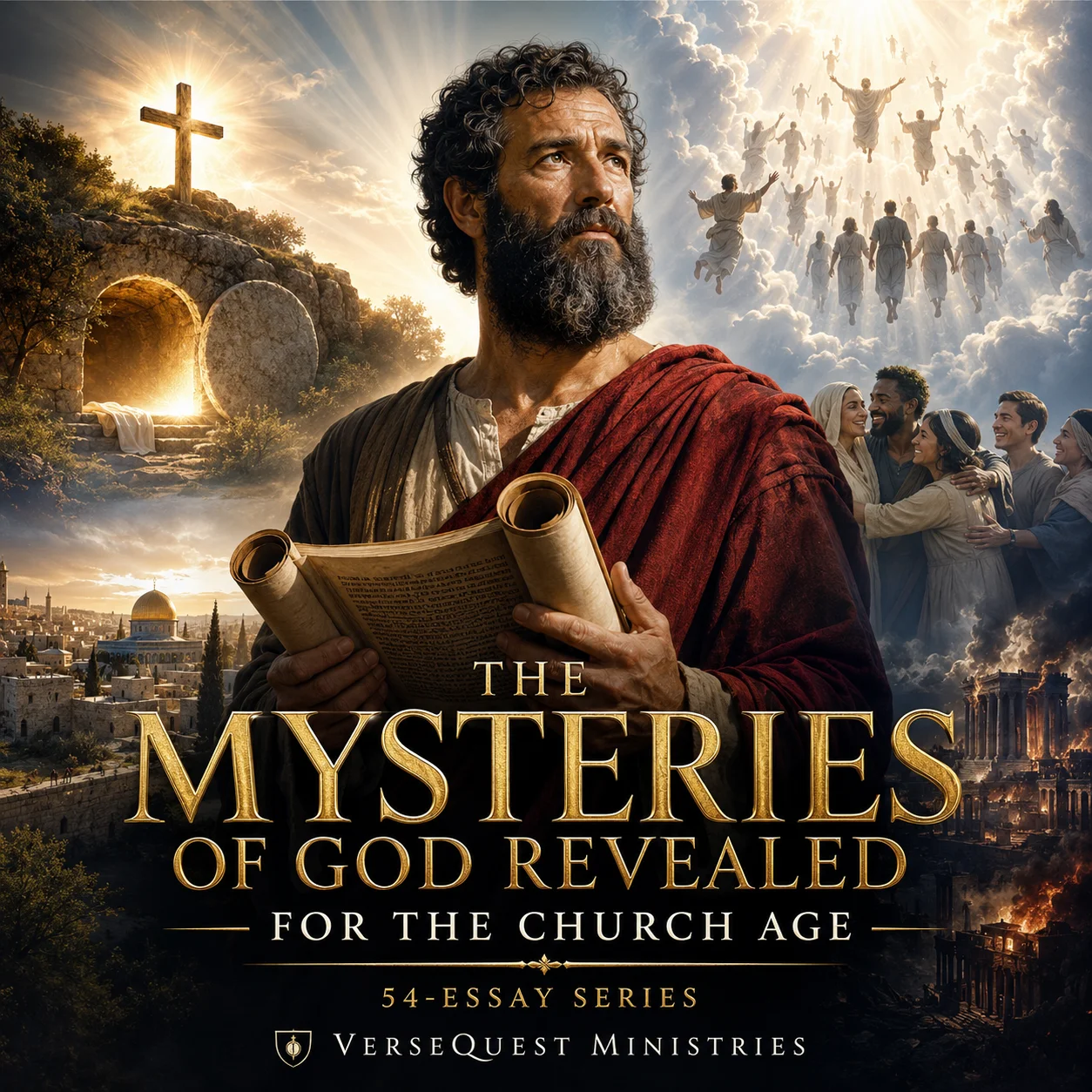
- The Mysteries of God Revealed for the Church Age – Premium Essay Series PDF
- A premium 404-page VerseQuest Ministries digital PDF study book featuring 54 detailed KJV-only essays on the mysteries of God revealed for the Church Age. This rightly divided study covers the…
- Original price was: $39.99.$29.99Current price is: $29.99.
- Add to cart
-
-25%
-
KJV Bible Study Resources
-
-60%
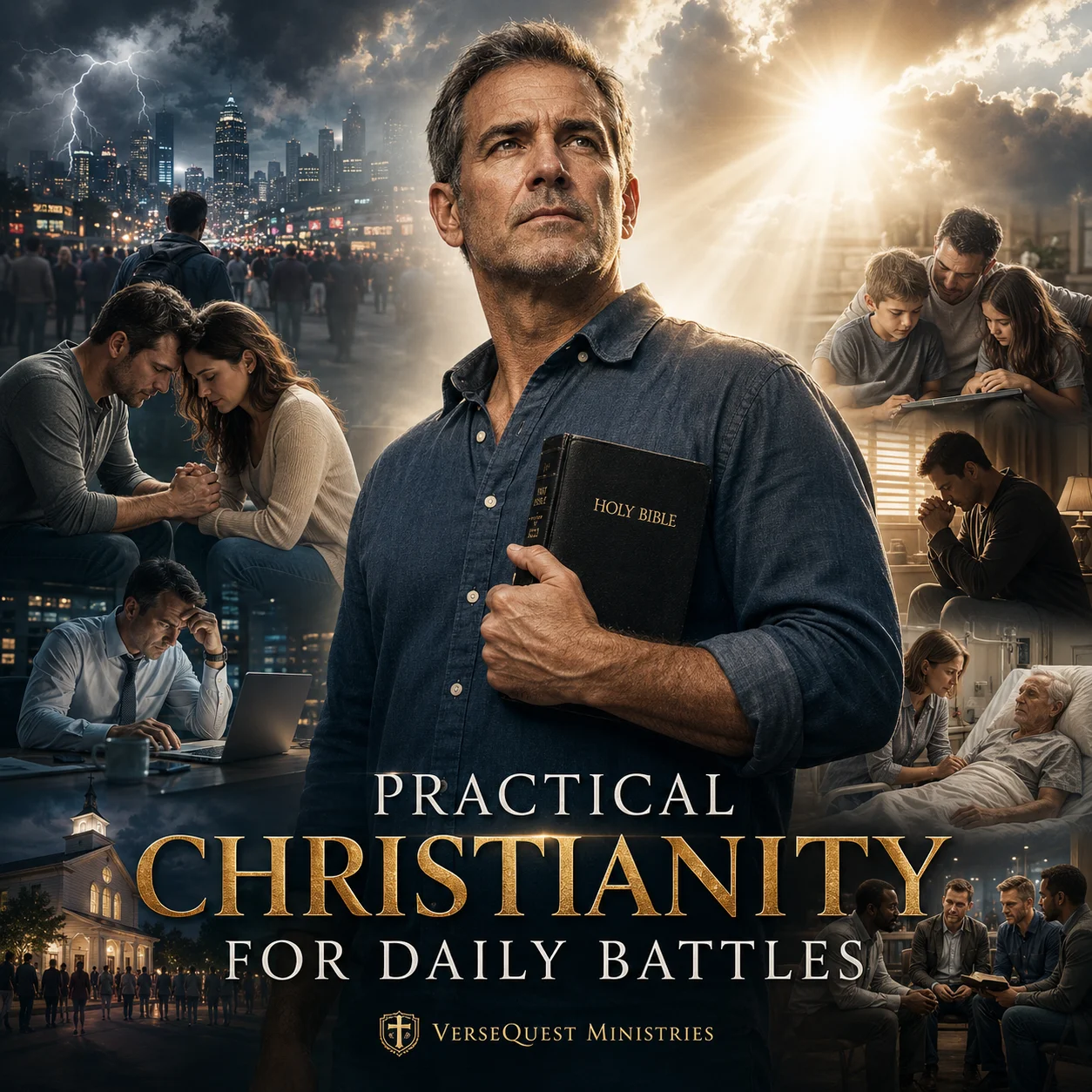
- Practical Christianity for Daily Battles – 329-Page KJV Study PDF
- A premium 329-page KJV study PDF with 40 full essays applying sound, rightly divided Bible doctrine to real daily Christian battles. Topics include temptation, anxiety, marriage, parenting, pornography, grief, church…
- Original price was: $24.99.$9.99Current price is: $9.99.
- Add to cart
-
-60%
-
guarding your thoughts
-
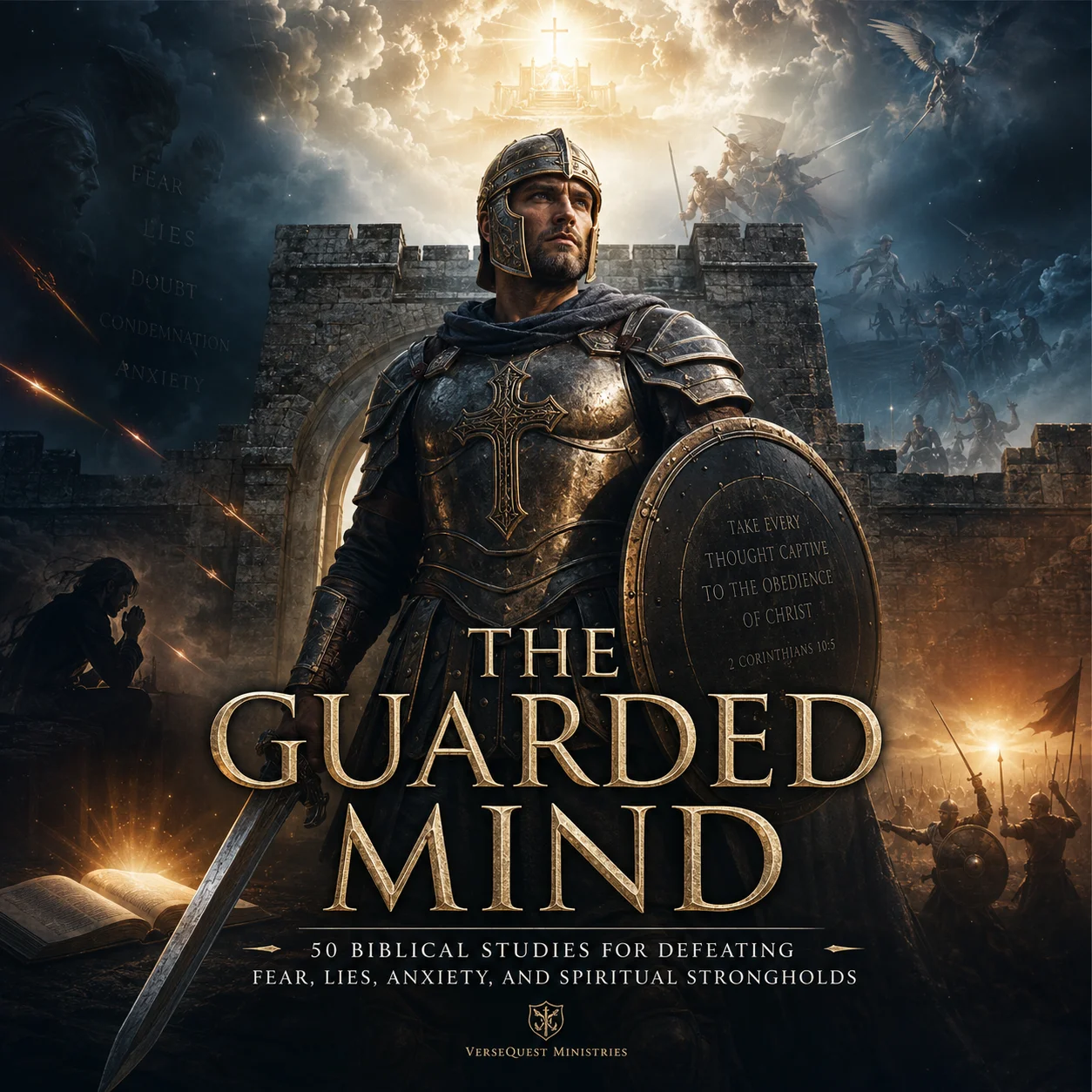
- The Guarded Mind – 50 KJV Biblical Studies on Fear, Anxiety, Lies, and Spiritual Strongholds
- Guard your heart and mind with fifty thorough, Scripture-filled studies confronting fear, anxiety, accusation, temptation, bitterness, distraction, comparison, false guidance, and spiritual strongholds. This 351-page digital PDF uses the King…
- $9.99
- Add to cart
-