
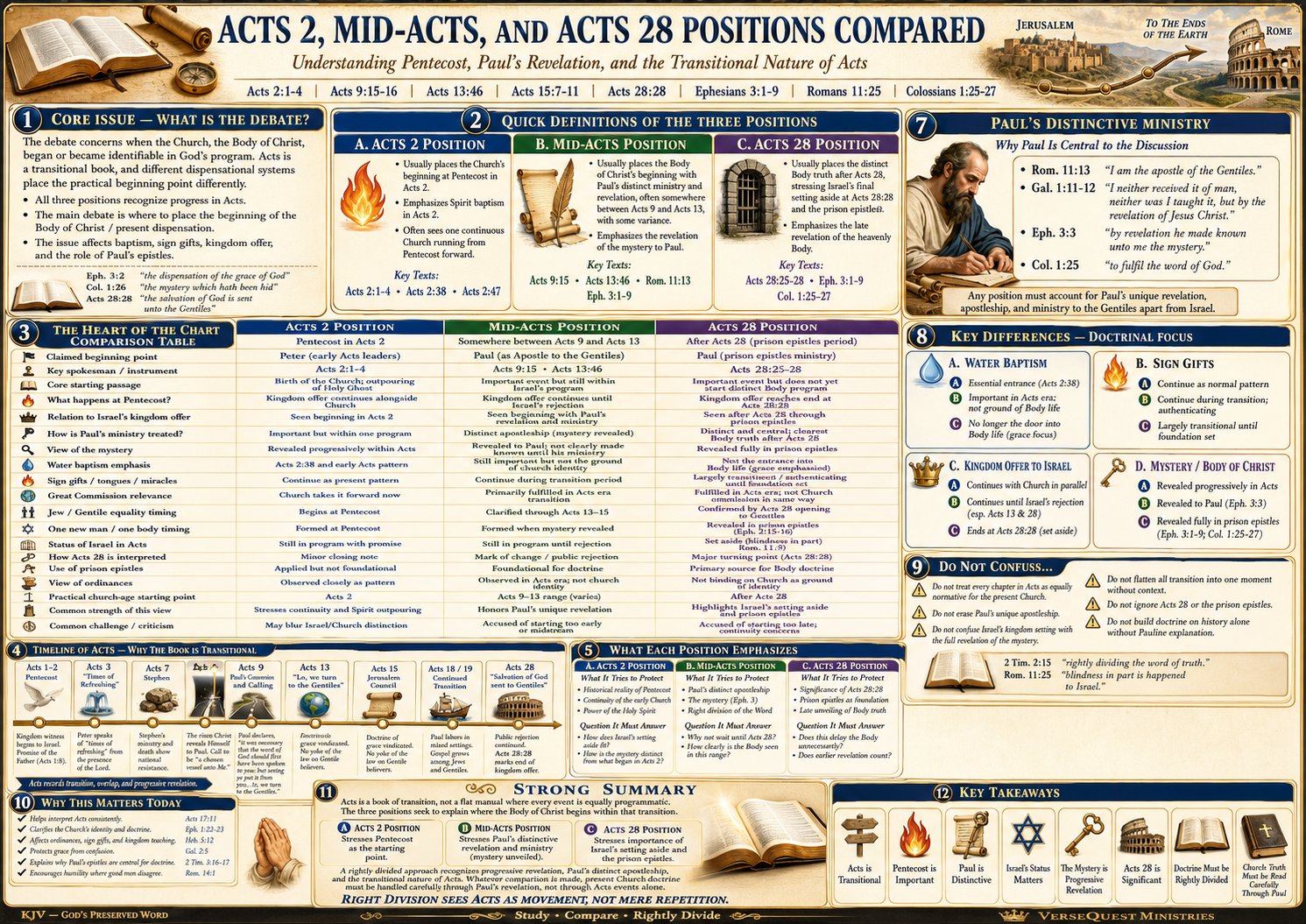
Acts 2, Mid-Acts, and Acts 28 Positions Compared – Pentecost, Paul’s Revelation, and the Transitional Book of Acts (KJV Bible Study Chart)
Compare the Acts 2, Mid-Acts, and Acts 28 positions with this detailed KJV chart covering Pentecost, Paul’s apostleship, the mystery, Israel’s Kingdom offer, baptism, signs, and the transitional book of Acts.
$3.99
Description
Acts 2, Mid-Acts, and Acts 28 Positions Compared is a detailed KJV Bible study chart examining three major dispensational positions concerning the beginning, revelation, and doctrinal identification of the Church, the Body of Christ.
Built around passages including Acts 2:1–4, Acts 9:15–16, Acts 13:46, Acts 28:25–28, Romans 11:25, Ephesians 3:1–9, and Colossians 1:25–27, this chart helps Bible students compare the Acts 2, Mid-Acts, and Acts 28 viewpoints while recognizing the progressive and transitional character of the book of Acts.
The central debate concerns where the Church, the Body of Christ, should be understood as beginning or becoming doctrinally identifiable within God’s revealed program. All three positions agree that Acts records important developments after the resurrection and ascension of Jesus Christ. They differ concerning Pentecost, Israel’s Kingdom offer, Paul’s apostleship, the revelation of the mystery, water baptism, sign gifts, and the doctrinal significance of Acts 28.
The chart does not assume that every teacher within each camp defines every detail identically. Variations exist within all three positions. Instead, it presents representative forms of each viewpoint so students can compare their principal claims, strengths, interpretive questions, and doctrinal consequences.
The Acts 2 position commonly identifies Pentecost as the beginning of the Church. Acts 2 records the outpouring of the Holy Ghost, Peter’s preaching, the conversion and baptism of thousands, fellowship among believers, and the formation of a visible assembly in Jerusalem.
Advocates of this position often understand the events of Pentecost as the birth of the Church and view the remainder of Acts as the geographical and ethnic expansion of the same Church from Jerusalem to Judea, Samaria, and the uttermost parts of the earth.
Within this framework, Peter’s ministry in Acts 2 and Paul’s later Gentile ministry belong to one continuous Church program. The difference between them is generally explained through progressive understanding, changing mission fields, and the widening application of the gospel rather than the introduction of a distinct new Body.
The Acts 2 position gives significant attention to Spirit baptism and the events of Pentecost. It commonly treats water baptism, the Great Commission, and the early apostolic pattern as continuing elements of Church identity, though different Acts 2 teachers may disagree considerably about baptism, signs, tongues, and apostolic gifts.
A major question for this position is how the distinctly Jewish and prophetic features of early Acts relate to the later Pauline revelation. Acts 2 is centred in Jerusalem, addressed to Israel, connected with prophecy, associated with the promise of the Kingdom, and led by Peter and the Twelve.
The Mid-Acts position commonly places the beginning or full doctrinal revelation of the Body of Christ somewhere during Paul’s early ministry, often between Acts 9 and Acts 13. Some emphasize Paul’s conversion and commission in Acts 9, while others focus upon the formal Gentile mission beginning around Acts 13.
This position gives central importance to Paul’s unique apostleship. The risen Jesus Christ called Paul from heaven and appointed him as a chosen vessel to bear His name before Gentiles, kings, and the children of Israel.
Paul identifies himself as “the apostle of the Gentiles” and states that he received his gospel and doctrine through the revelation of Jesus Christ. Ephesians describes the dispensation of grace given to Paul and the mystery concerning believing Jews and Gentiles becoming fellowheirs and members of the same Body.
The Mid-Acts position commonly distinguishes Israel’s prophetic Kingdom ministry from Paul’s mystery revelation concerning the Body of Christ. Peter and the Twelve ministered primarily within Israel’s prophetic setting, while Paul received doctrine concerning the present dispensation of grace, the one new man, heavenly blessings, and the Church’s spiritual position in Christ.
From this perspective, Acts is not merely the uninterrupted growth of an already fully revealed Church program. It records a real transition from Jerusalem, Israel, the Twelve, the Temple, prophecy, water baptism, and visible signs toward Paul, the Gentile mission, grace doctrine, the mystery, and the formation of one Body.
The Mid-Acts position usually regards Pentecost as an important prophetic event within Israel’s continuing Kingdom program rather than the complete revelation of the Body of Christ. The Holy Ghost was poured out, but Peter addressed Israel concerning the crucified Messiah, national repentance, remission, and the promised restoration spoken by the prophets.
Advocates commonly observe that the mystery concerning the Body of Christ was not plainly proclaimed in Acts 2. The early chapters continue to feature the Temple, signs, communal Kingdom conditions, apostolic authority centred in Jerusalem, and an expectation concerning Israel’s repentance and restoration.
The Mid-Acts position therefore asks when the mystery revealed through Paul becomes the controlling doctrinal explanation for the present Church. It emphasizes Paul’s gospel stewardship, the Gentile apostleship, the one Body, justification by faith apart from works, and the distinction between prophecy and mystery.
The Acts 28 position generally places the revelation or beginning of the distinct present Body after the final public setting aside of Israel recorded in Acts 28. It gives special prominence to Paul’s declaration that the salvation of God had been sent unto the Gentiles and that they would hear it.
This position commonly distinguishes Paul’s Acts-period ministry from the later revelation presented in his prison epistles. It may treat the Acts churches and earlier Pauline letters as connected more closely with Israel’s continuing prophetic priority, while Ephesians and Colossians reveal a new heavenly Body after Acts 28.
The Acts 28 position emphasizes the late revelation of the mystery, the heavenly calling, and the doctrine of the prison epistles. Ephesians 3 and Colossians 1 receive particular attention because they describe truth hidden in previous ages and later made known through Paul.
Some Acts 28 teachers distinguish the Body revealed in Ephesians and Colossians from the assemblies addressed in Paul’s earlier epistles. Others describe the change less sharply but still regard Acts 28 as the decisive doctrinal boundary after which Israel is set aside and the Gentile mystery program stands independently.
The position’s central interpretive question is whether Acts 28 begins an entirely new Body or marks the public and historical culmination of a transition that had already been unfolding through Paul’s ministry.
The chart’s comparison table examines numerous areas where the three positions differ. These include their claimed starting point, principal spokesman, foundational passage, interpretation of Pentecost, relationship to Israel’s Kingdom offer, treatment of Paul’s ministry, understanding of the mystery, water-baptism emphasis, sign gifts, Great Commission application, Jew-and-Gentile equality, timing of the one Body, Israel’s status during Acts, interpretation of Acts 28, and use of the prison epistles.
A major strength of the chart is its timeline of Acts. Acts begins with the risen Christ speaking to the apostles about the Kingdom of God. The disciples ask whether the Kingdom will be restored to Israel, and the witness begins in Jerusalem.
Acts 2 records Pentecost and Peter’s address to Israel. Acts 3 continues the prophetic offer by calling Israel to repentance so that the times of refreshing may come and Jesus Christ may return according to what God spoke through the prophets.
Acts 7 records Stephen’s rejection and martyrdom. Acts 8 introduces ministry in Samaria. Acts 9 records Paul’s conversion and heavenly calling. Acts 10 opens the door to Gentiles through Cornelius.
Acts 13 marks the formal launch of Paul’s Gentile mission and includes his declaration that he and Barnabas turn to the Gentiles after Jewish rejection. Acts 15 resolves the question of placing Gentile believers under circumcision and the Mosaic law.
Acts 18, 19, and the later chapters record Paul labouring among Jews and Gentiles while unusual transitional signs, baptisms, apostolic miracles, and Kingdom-related questions remain visible.
Acts 28 concludes with another solemn rejection of Paul’s testimony by Jewish leaders in Rome. Paul quotes Isaiah’s judicial-blindness passage and declares that the salvation of God is sent unto the Gentiles.
The chart presents Paul as central to any serious discussion of the beginning and doctrine of the Body of Christ. Romans 11:13 identifies him as the apostle of the Gentiles. Galatians 1 states that his message came by revelation from Jesus Christ.
Ephesians 3 explains the dispensation of grace given to Paul and the revelation of the mystery. Colossians 1 connects his ministry with fulfilling the Word of God by making known the mystery hidden from ages and generations.
Any doctrinal position must account for Paul’s unique calling, apostleship, message, Gentile ministry, and revelation. Paul cannot be reduced to a later assistant merely repeating everything the Twelve had already taught in complete doctrinal form.
The chart also compares several doctrinal issues affected by the debate. The first is water baptism. Acts 2 advocates may treat baptism as a continuing Church ordinance beginning at Pentecost. Mid-Acts teachers often recognize baptism during the transition but separate it from Paul’s central gospel commission. Acts 28 teachers commonly place even stronger emphasis upon its eventual removal from the distinct present-Body program.
The second issue is sign gifts. Acts 2 interpretations may see signs as continuing within the Church to varying degrees. Mid-Acts interpretations usually place signs within Israel’s Kingdom setting and the apostolic transition. Acts 28 interpretations may extend transitional sign activity throughout Acts but regard it as ending with Israel’s final setting aside.
The third issue is the Kingdom offer to Israel. Acts 2 advocates may understand the Kingdom emphasis as progressively absorbed into the Church’s mission. Mid-Acts teachers generally see Israel’s offer continuing into early Acts but giving way as Paul’s mystery ministry becomes prominent. Acts 28 teachers often extend Israel’s opportunity until the final declaration in Acts 28.
The fourth issue is the mystery and the Body of Christ. Acts 2 advocates normally view the mystery as a later explanation of a Church already born at Pentecost. Mid-Acts advocates connect the mystery directly with Paul and the formation or revelation of the Body during his early ministry. Acts 28 advocates commonly see the complete mystery Body as revealed after Israel’s final Acts-period rejection.
The chart warns students not to treat every chapter in Acts as doctrinally identical. Acts is not a flat manual in which every event establishes the same permanent pattern for every Christian.
The unusual sequences involving water baptism, Spirit reception, apostolic laying on of hands, tongues, miracles, Temple worship, circumcision controversies, and Jewish priority must be interpreted within the book’s transitional movement.
The chart also warns against compressing the entire transition into a single moment without examining context. Progressive revelation, changing commissions, Israel’s repeated rejection, Paul’s growing ministry, and the expanding Gentile mission unfold across many chapters.
Students should not erase Paul’s unique apostleship, ignore the mystery, flatten the prison epistles into earlier revelation without examination, or build doctrine solely from historical events without allowing the epistles to provide interpretation.
The chart’s balanced conclusion is that Acts is a book of transition rather than a static record in which every event functions identically. The three positions attempt to identify where the Body of Christ should be placed within that transition, but each must be tested carefully by the full testimony of Scripture.
A rightly divided approach recognizes Pentecost as significant, Paul’s distinctive revelation as indispensable, Israel’s changing status as important, and Acts 28 as a major historical and judicial turning point.
The chart encourages students to examine the arguments rather than merely inherit a label. Every position should answer how it explains Paul’s apostleship, the mystery, Israel’s Kingdom offer, Jew-and-Gentile equality, baptism, signs, and the doctrinal authority of Romans through Philemon.
The bottom line is memorable: right division sees Acts as movement, not mere repetition. Whatever conclusion a student reaches, present Church doctrine must be established from clear Scripture, centred in Christ’s finished work, and interpreted with respect for audience, context, progressive revelation, and Paul’s God-given ministry.
This resource is ideal for personal Bible study, dispensational theology, Pauline doctrine, Acts classes, prophecy-and-mystery studies, Israel-and-Church comparisons, pastoral training, Sunday school, homeschool Bible curriculum, Bible institutes, sermon preparation, and believers examining the Acts 2, Mid-Acts, and Acts 28 debate.
Acts 2 position, Mid-Acts position, Acts 28 position, beginning of the Body of Christ, Pentecost, transitional book of Acts, Paul’s distinctive ministry, apostle of the Gentiles, revelation of the mystery, Israel’s Kingdom offer, prophecy and mystery, progressive revelation, one new man, one Body in Christ, water baptism, sign gifts, Jew-and-Gentile equality, prison epistles, Israel’s judicial blindness, rightly dividing Scripture
The book of Acts should be read as inspired history recording movement and transition. It begins in Jerusalem with Israel, Peter, the Twelve, the Temple, prophecy, Kingdom expectation, water baptism, and signs.
Acts gradually shifts toward Paul, the Gentile mission, justification by faith, the mystery, and doctrine concerning one Body in Christ.
The Acts 2 position normally identifies Pentecost as the Church’s beginning. It emphasizes the outpouring of the Holy Ghost, the gathering of believers, and the formation of the Jerusalem assembly.
A central question for the Acts 2 position is how the Jewish Kingdom setting of Acts 2 relates to the later Pauline mystery. Peter’s message is directed to Israel and grounded in prophetic fulfillment.
The Mid-Acts position commonly connects the Body of Christ with Paul’s conversion, commission, or early Gentile ministry between Acts 9 and Acts 13.
The strength of the Mid-Acts position is its serious treatment of Paul’s distinctive apostleship, Gentile commission, gospel stewardship, and revelation of the mystery.
Mid-Acts teachers do not all select the same starting verse. Some emphasize Acts 9, others Acts 11, Acts 13, or another point within Paul’s developing ministry.
The Acts 28 position commonly places the distinct mystery Body after Israel’s final judicial setting aside in Acts 28.
Its strength is its attention to the prison epistles, heavenly calling, and the solemn significance of Paul’s final quotation from Isaiah to Israel’s leaders in Rome.
A central question for the Acts 28 position is whether Acts 28 begins an entirely different Body or publicly concludes a transition already revealed through Paul.
Acts 3 shows that Israel’s prophetic restoration remained a genuine subject after Pentecost. Peter called Israel to repent so that the promised times of refreshing might come.
Stephen’s rejection in Acts 7 represents a serious national crisis, but Acts continues to record apostolic ministry to Israel afterward.
Paul’s conversion in Acts 9 introduces a new heavenly commission. His apostleship does not originate from the Twelve or the Jerusalem assembly.
Cornelius in Acts 10 demonstrates God opening the Gentile door without requiring Gentiles first to become Jewish proselytes.
Acts 13 marks an important Gentile turning point as Paul’s missionary ministry becomes prominent and he declares that he turns to the Gentiles.
Acts 15 proves that Gentile believers were not to be placed under circumcision and the Mosaic covenant as conditions of salvation.
Signs, baptisms, and unusual Spirit-reception sequences continue during the transition. These events should not automatically become permanent formulas for the mature Body of Christ.
Paul’s epistles provide the inspired doctrinal explanation of the present believer’s standing, walk, ministry, hope, and relationship to Israel.
Romans 11 shows that Israel’s blindness is partial and connected with the fullness of the Gentiles. Israel’s future should not be erased regardless of where the Body’s beginning is placed.
Ephesians and Colossians describe the mystery as truth formerly hidden and later revealed through Paul. Every position must account honestly for this language.
Acts 28 is a major historical and judicial turning point. Paul announces that the salvation of God is sent to the Gentiles following another formal Jewish rejection.
A sound conclusion should not be built from labels alone. Every claim must be tested through Scripture, context, audience, progressive revelation, and doctrinal consistency.
Right division does not require hostility toward Christians holding another view. Believers should study carefully, teach truth plainly, and remain charitable where good men disagree.
Comparing dispensational positions, Acts chapter studies, Pauline doctrine classes, examining Pentecost, teaching the transitional nature of Acts, Israel-and-Church distinctions, prophecy-and-mystery instruction, water-baptism studies, sign-gift studies, Paul’s apostleship, Church-beginning debates, interpreting Acts 28, prison-epistle studies, Bible institute instruction, pastoral training, Sunday school lessons, homeschool Bible curriculum, sermon preparation
King James Bible, Strong’s Concordance, Thompson Chain-Reference Bible, Treasury of Scripture Knowledge, Nave’s Topical Bible, Bible atlas of Acts, Acts chapter outlines, Romans-through-Philemon study notes, Ephesians 2–3 commentary materials, Colossians 1 study resources, Israel-and-Church comparison charts, prophecy-and-mystery studies, Pauline apostleship worksheets, Acts transition timelines, dispensational theology resources, VerseQuest right-division and doctrine charts
Related products
-
Jesus Christ
-
-67%

- The Millennium Made Plain – 416-Page KJV Study on Christ’s Future Reign
- A premium 416-page KJV, rightly divided Bible study on the literal future Millennial reign of Jesus Christ. The Millennium Made Plain explains Revelation 19–20, Israel’s restoration, Satan’s binding, the Kingdom…
- Original price was: $29.99.$9.99Current price is: $9.99.
- Add to cart
-
-67%
-
The Rapture
-
-67%
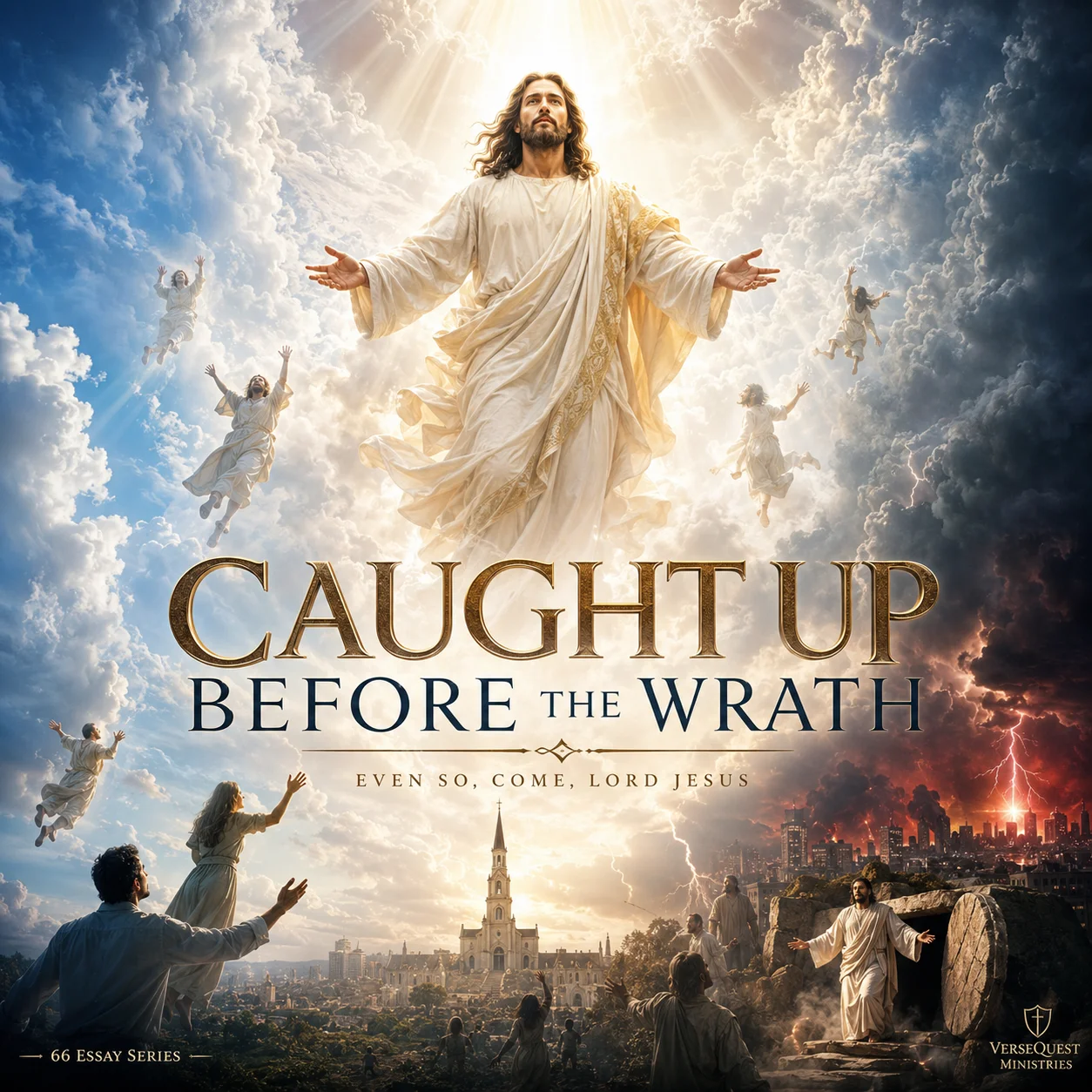
- Caught Up Before the Wrath – 66-Essay KJV Rapture Study
- Caught Up Before the Wrath is a 430-page premium KJV Bible study defending the pre-tribulation Rapture of the Church from a rightly divided, dispensational perspective. This 66-essay VerseQuest Ministries book…
- Original price was: $29.99.$9.99Current price is: $9.99.
- Add to cart
-
-67%
-
Verse-by-Verse Bible Commentaries
-
-75%
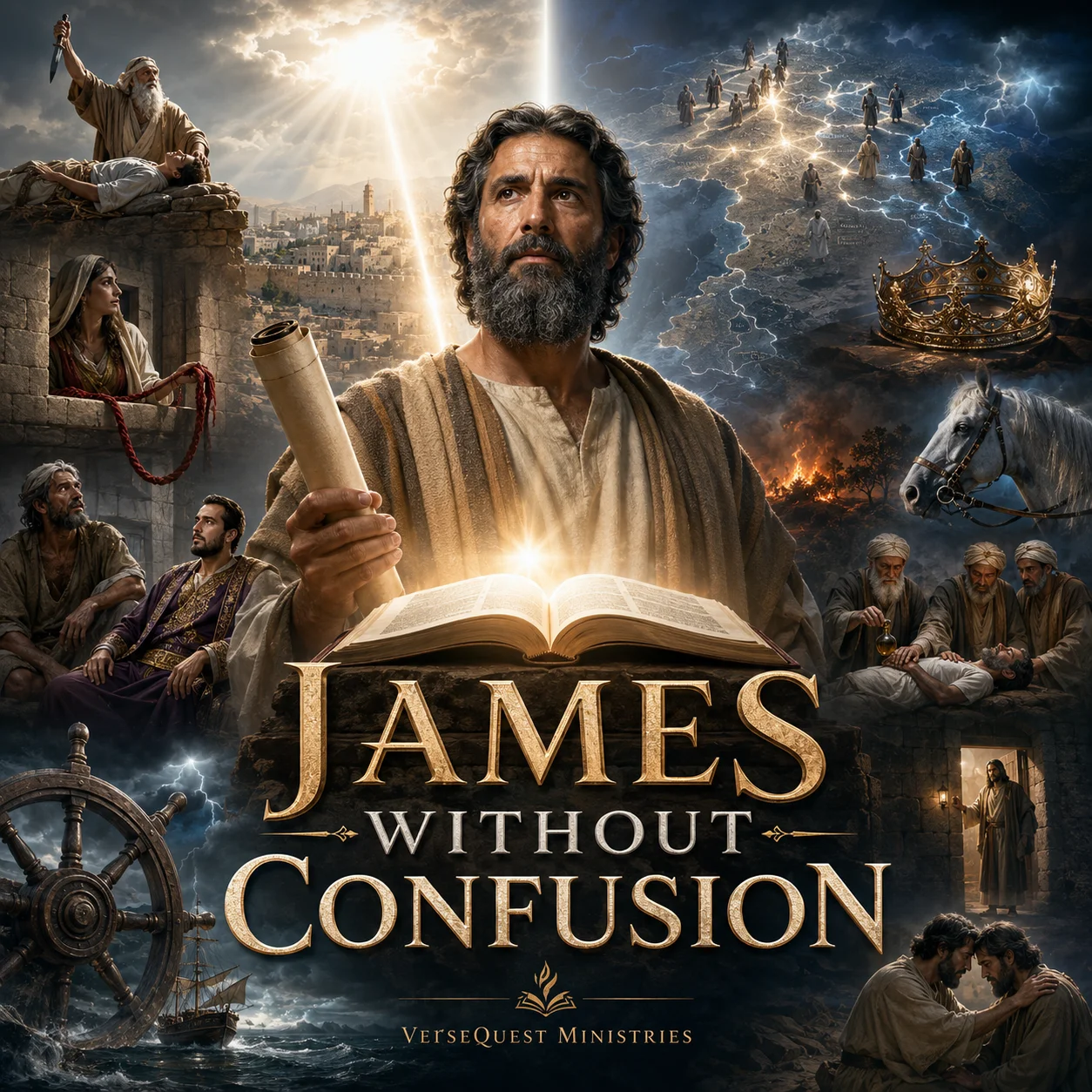
- James Without Confusion: A 120-Study KJV Commentary on Faith, Works, Law, Healing, and Right Division
- James has confused Bible readers, divided theologians, supplied ammunition to Rome, troubled Protestants, and been pushed aside by dispensationalists who did not know what to do with it. James Without…
- Original price was: $39.99.$9.99Current price is: $9.99.
- Add to cart
-
-75%
-
VerseQuest Premium Library
-
-67%
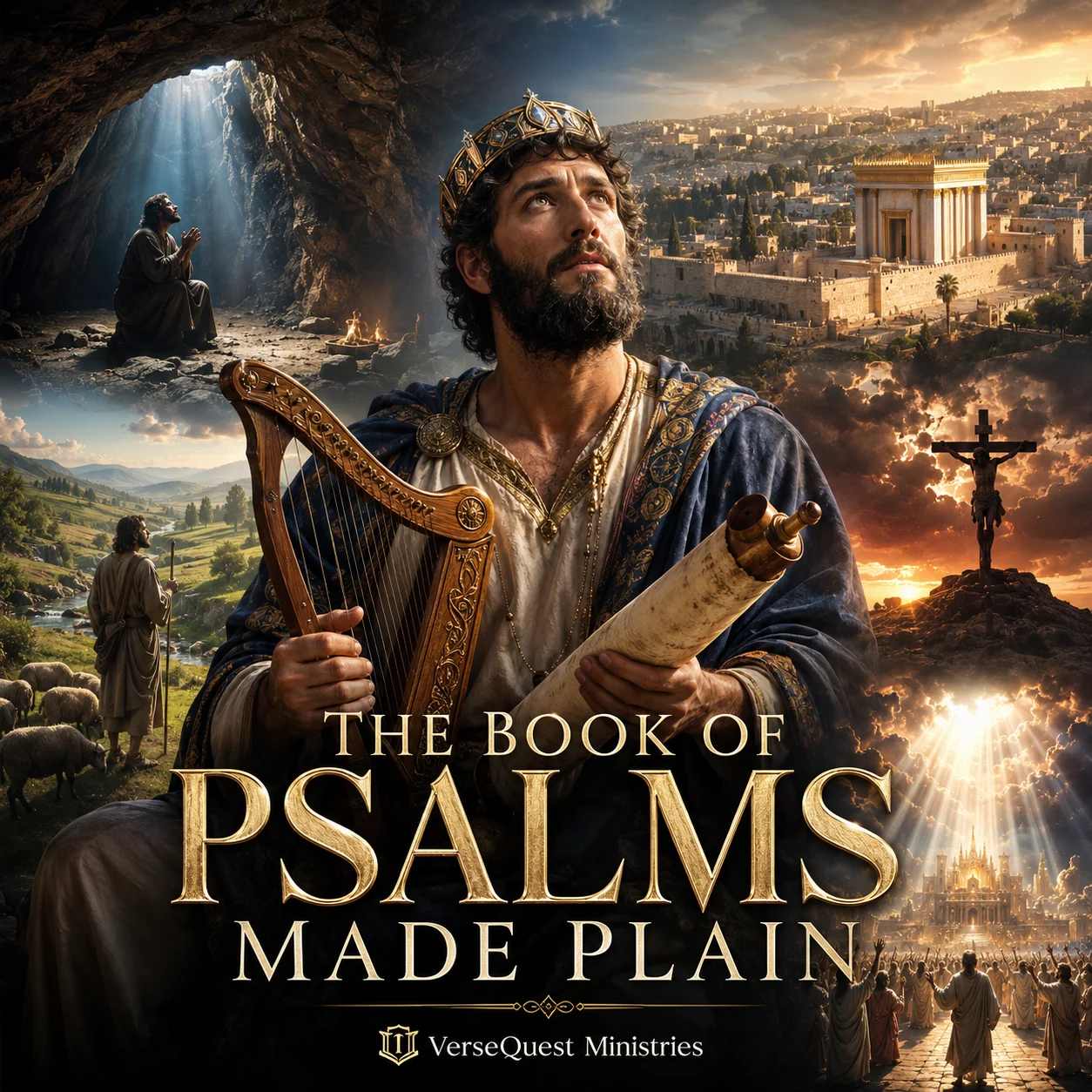
- The Book of Psalms Made Plain – 383-Page KJV Psalm Study
- The Book of Psalms Made Plain is a 383-page premium KJV Bible study featuring 54 detailed essays through the major themes, doctrines, prophecies, prayers, laments, and praises of the Psalms.…
- Original price was: $29.99.$9.99Current price is: $9.99.
- Add to cart
-
-67%
-
Doctrine Series
-
-14%
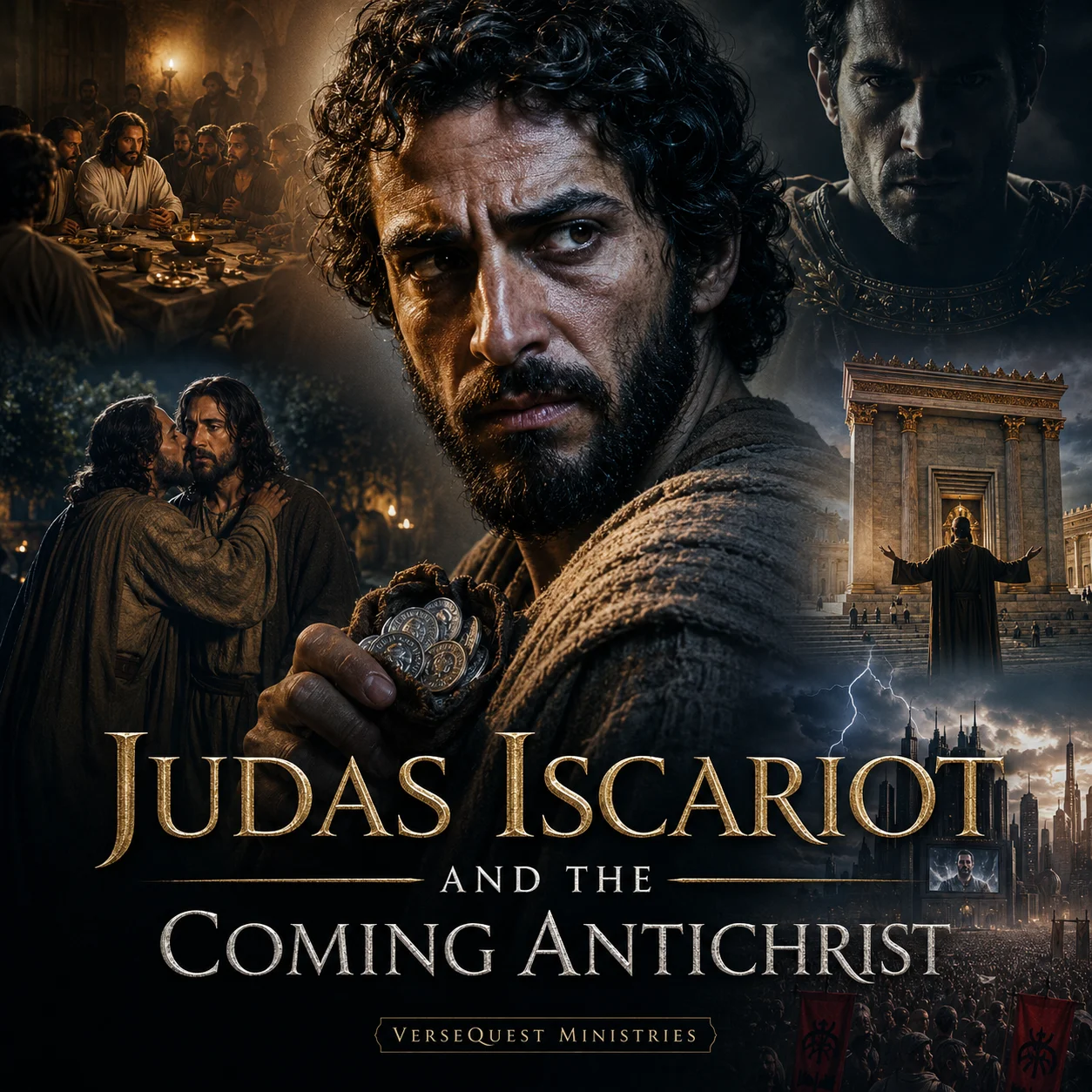
- Judas Iscariot and the Coming Antichrist – Premium KJV Prophecy Study
- A massive 459-page premium KJV prophecy study tracing the biblical connection between Judas Iscariot, the son of perdition, and the coming Antichrist. This detailed VerseQuest Ministries PDF examines Judas’ betrayal,…
- Original price was: $34.99.$29.99Current price is: $29.99.
- Add to cart
-
-14%